Hisham Fageeh
Barakah
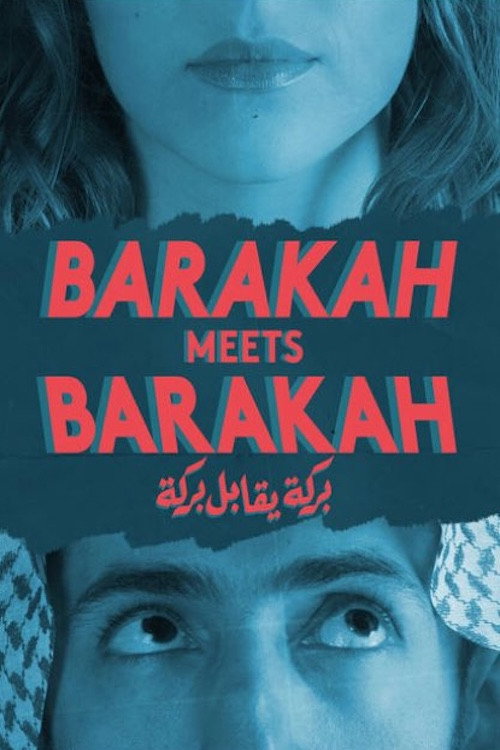
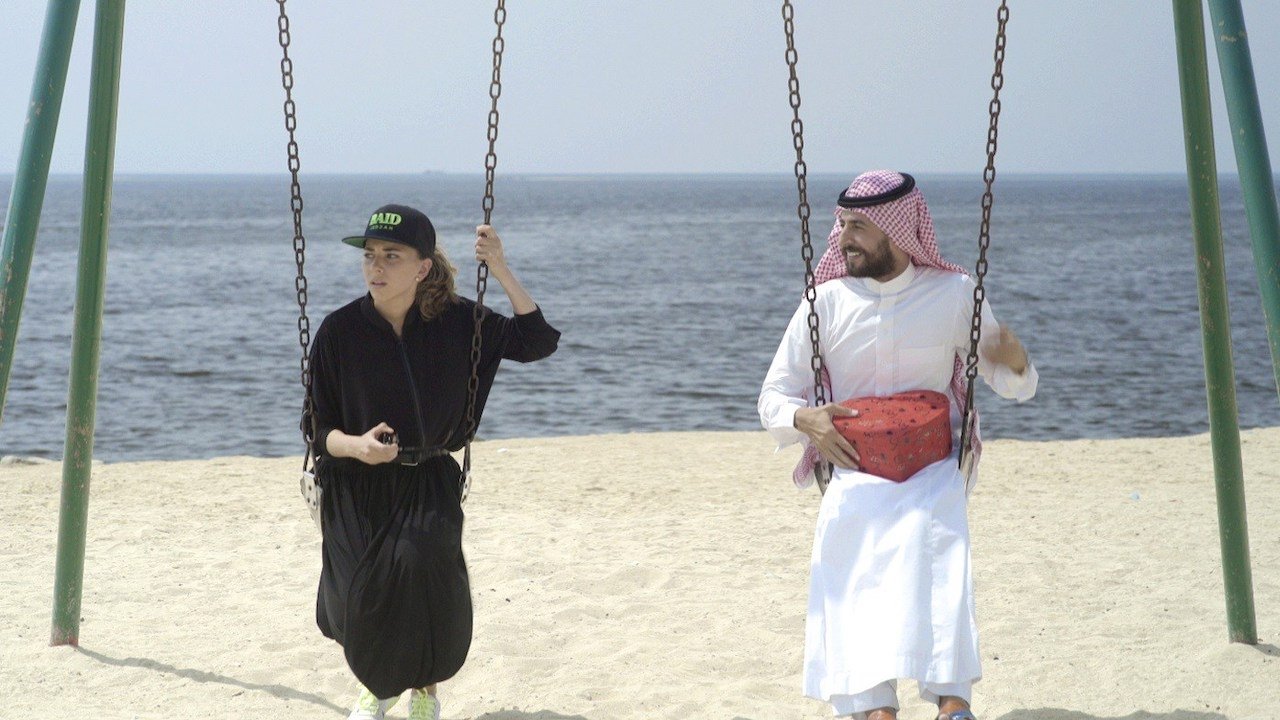
The story of two lovers who are united in an environment hostile to dating of any kind. Barakah is municipal civil servant from Jeddah and an amateur actor in a theatre troupe. Barakah is a wild beauty, who functions as a crowd-puller for her stylish mother’s boutique and runs her own widely-seen vlog. They both defy customs and traditions, as well as the religious police, using modern communication technologies and traditional dating methods.
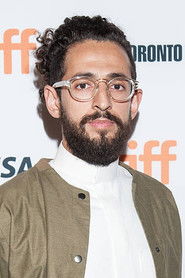
Hisham Fageeh
Barakah

Fatima Al-Banawi
Fatima

Sami Hifny
Da'ash
Khairia Nazmi
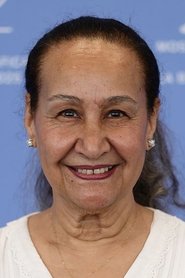
Daya Sa'adiya
Abdulmajeed Al-Ruhaidi
Maqbool
I keep thinking about the first time I saw Barakah Meets Barakah—not the film itself, but the trailer. There’s a moment where the two leads, Barakah and Bibi, stand on opposite sides of a glass door, separated by something invisible but unshakable. They’re both smiling, but their eyes are doing something else.
It’s the kind of shot that makes you lean forward, not because it’s dramatic, but because it feels true. That’s the paradox of this film: it’s a romantic comedy about two people falling in love in a place where love is policed, and yet it never feels like a protest. It feels like a whisper.
A secret passed between strangers in a crowded room.
Mahmoud Sabbagh’s film is one of those rare things: a movie that arrives with a quiet sense of history. Saudi Arabia’s film industry, at the time of its release in 2016, was still in its infancy. Cinemas had been banned for decades, and the idea of a homegrown romantic comedy premiering at the Toronto International Film Festival (TIFF) felt like a cultural earthquake.
Sabbagh, in interviews, framed it as a love letter to his country—"I believe in Saudi," he said at TIFF—but the film itself is far too sly to be a manifesto. It’s not here to preach or provoke. It’s here to tell a story about two people who, against all odds, find a way to be together.
The odds, in this case, are not just social norms or family expectations, but the very real threat of the religious police, the mutawa, who patrol public spaces to enforce moral codes.
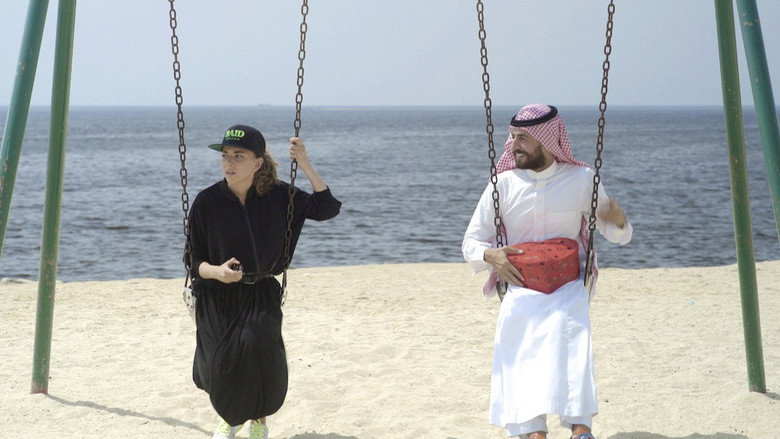
What’s fascinating about Barakah Meets Barakah is how it navigates this tension without ever becoming didactic. The film is a comedy, first and foremost, and it leans into the absurdity of its premise: a municipal civil servant (Barakah, played by Hisham Fageeh) and a social media influencer (Bibi, played by Fatima Al-Banawi) fall in love in a city where dating is illegal. Their courtship is a series of near-misses, coded messages, and clandestine meetings, all played for laughs.
But beneath the humor, there’s a palpable sense of danger. The film never lets you forget that these two are playing with fire. The religious police aren’t a punchline; they’re a looming presence, a reminder that the stakes are real.
"A light Saudi comedy-romance that is easy to enjoy on Netflix, charming more than dazzling."
latestnetflix.com's view is that Barakah Meets Barakah plays as a breezy comedy-romance from Saudi Arabia directed by Mahmoud Sabbagh under its original title Barakah yoqabil Barakah.Viewers finding it streaming on Netflix treat it as a feel-good discovery with a Festival 2016 trailer presence and audience review pages for reactions, while the crowd score sits at a middle-warm 6.3 out of 10 from 90 votes.
Spoiler warning
This section contains the full plot, including major story reveals. Overview above stays spoiler-free.
Barakah Meets Barakah (2016) isn’t just a movie—it’s a cultural milestone. Directed by Mahmoud Sabbagh, the film became Saudi Arabia’s first-ever romantic comedy to hit international festivals, offering a rare, lighthearted glimpse into a society often stereotyped in Western media. With a runtime of just 60 minutes  , it packs a punch, blending humor, romance, and social commentary in a way that resonated far beyond its home country.
The film’s significance starts with its very existence. Saudi Arabia had no commercial cinemas for decades, and Barakah Meets Barakah was one of the first Saudi features to premiere at major festivals, including the Berlin International Film Festival . Director Mahmoud Sabbagh, in a TIFF 2016 interview, called it a "love letter to Saudi Arabia," emphasizing his belief in the country’s potential to tell its own stories . The movie’s original title, Barakah yoqabil Barakah (باركة يقابل بركة), translates to "Barakah meets Barakah," a playful nod to the serendipitous romance at its core.
The film stars Hisham Fageeh and Fatima Al-Banawi as the unlikely pair at the heart of the story. Fageeh, known for his viral No Woman, No Drive satire, and Al-Banawi, a poet and actress, brought a fresh dynamic to Saudi screens. Their chemistry was a talking point at TIFF 2016, where they joked about the "craziness" of filming a romance in a country where public displays of affection are taboo . The supporting cast—including Sami Hifny, Khairia Nazmi, and Abdulmajeed Al-Ruhaidi—rounded out a production that felt distinctly local yet universally relatable .
Barakah Meets Barakah follows Barakah, a conservative government employee, and Bibi, a free-spirited social media influencer, as they navigate love in a society where even meeting in public is fraught with obstacles. The film’s trailer teases this tension, with glimpses of secret phone calls, awkward encounters, and the humor that arises from cultural constraints .
Reviews were mixed but generally positive. SensCritique gave it a 6.3/10, calling it a "lighthearted take on love and society" . While some critics noted its short runtime (60 minutes) left certain plot threads underdeveloped, others praised its charm and boldness in tackling Saudi social norms . Rotten Tomatoes lists the cast but offers no aggregated score, suggesting limited critical coverage in Western outlets .
Despite its festival buzz, details about the film’s production remain scarce. There’s no verified information about its budget, filming locations, or behind-the-scenes challenges—common gaps when covering emerging film industries. Rumors swirled about censorship hurdles, but Sabbagh’s TIFF interview suggests he focused on "what unites us" rather than what divides . Without official confirmation, these remain speculative.
Barakah Meets Barakah may not have been a box-office juggernaut, but its cultural footprint is undeniable. It paved the way for more Saudi films to explore contemporary themes, proving that audiences—both local and global—were hungry for authentic stories from the region. Six years after its release, it’s still referenced as a turning point for Saudi cinema, a testament to its quiet revolution.
Entertainment rumors and trivia aggregated from public reporting. Treat speculation as unverified unless a cited source confirms it.