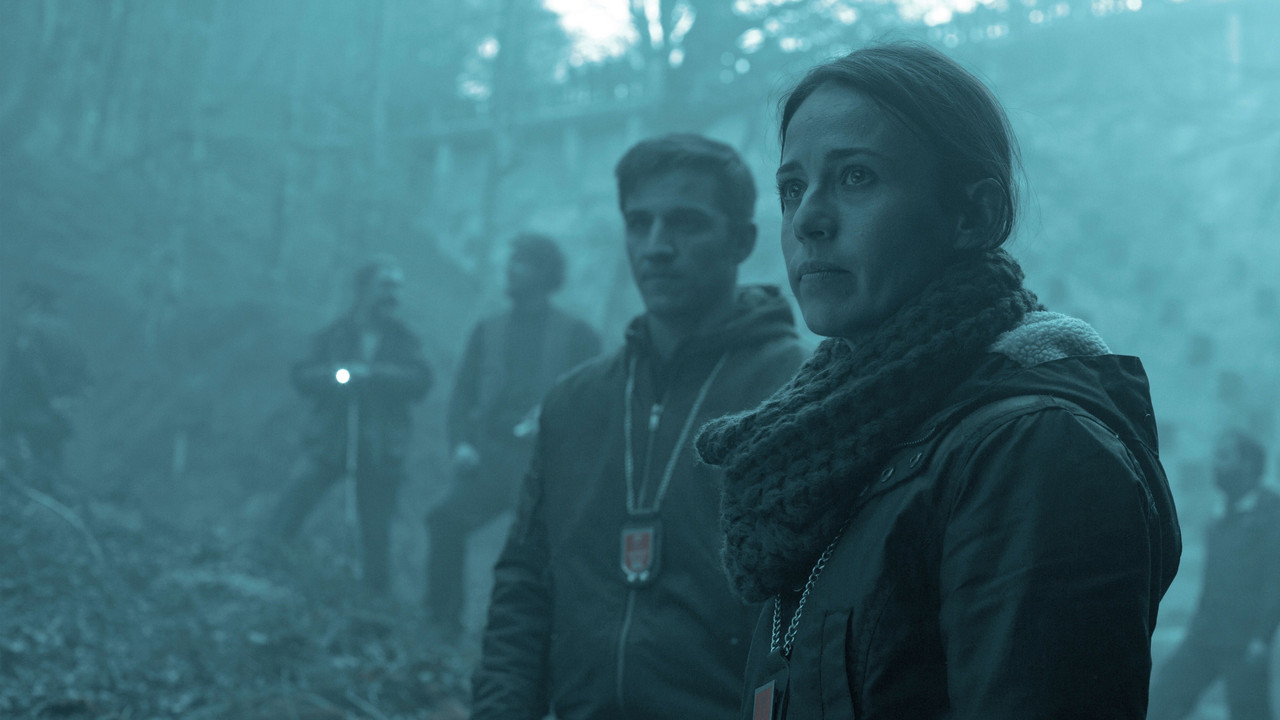
Marta Etura
Amaia Salazar
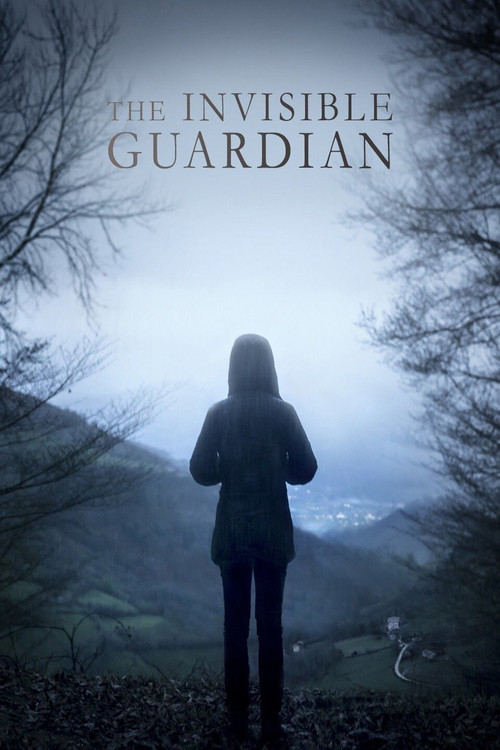
When the naked body of a teenage girl is found on the banks of the River Baztán, it is quickly linked to a similar murder one month before. Soon, rumours are flying in the nearby village of Elizondo. Is this the work of a ritualistic killer or is it the basajaun, the ‘invisible guardian’ of Basque mythology? Inspector Amaia Salazar leads the investigation, taking her back to the heart of the Basque country where she was born, and where she hoped never to return. Shrouded in mist and surrounded by impenetrable forests, it is a place of unresolved conflicts and a terrible secret from Amaia’s childhood that will come back to haunt her. Faced with the superstitions of the village, Amaia must fight the demons of her past to confront the reality of a serial killer on the loose. But as she is drawn deeper into the investigation, she feels the presence of something darker lurking in the shadows…
Marta Etura
Amaia Salazar
Elvira Mínguez
Flora Salazar
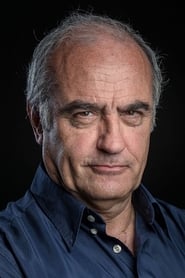
Francesc Orella
Fermín Montés
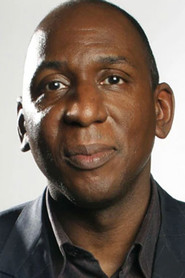
Colin McFarlane
Aloisius Dupree
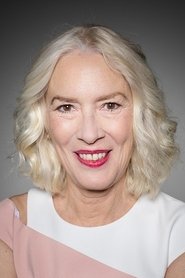
Susi Sánchez
Rosario
I’ve always been drawn to crime stories that refuse to play by the rules—where the detective isn’t just solving a case but wrestling with something older, something that lives in the land itself. The Invisible Guardian is one of those stories, a film that lingers in the foggy borderlands between police procedural and folk horror. It’s not just about catching a killer; it’s about what happens when the past isn’t just personal but mythic, when the crimes you’re investigating feel like they’ve been waiting for you all along.
The film opens with a body. A teenage girl, naked and posed, found on the banks of the Baztán River in northern Spain. The camera lingers on the water, dark and slow-moving, as if it’s holding its breath.
Inspector Amaia Salazar (Marta Etura) is called in to investigate, and from the moment she steps into the village of Elizondo, you can feel the weight of the place pressing down on her. This isn’t just another crime scene; it’s a homecoming, and not the kind she wanted. Amaia left this place years ago, but the Baztán Valley doesn’t let go so easily.
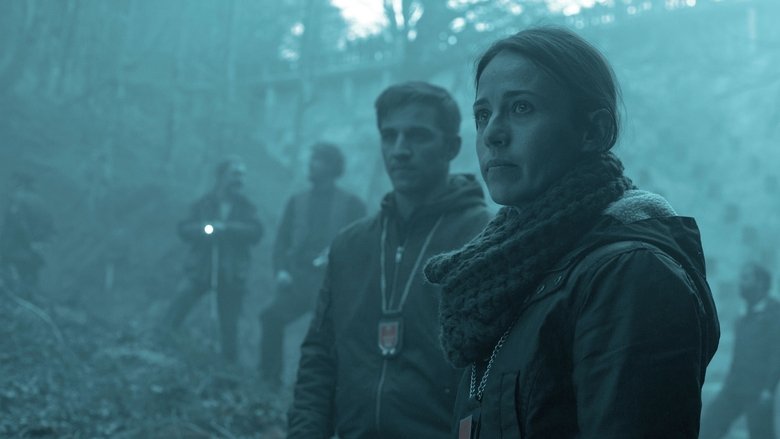
Fernando González Molina directs with a patience that feels almost old-fashioned, letting the atmosphere do half the work. The Baztán Valley is a character here, its forests dense and whispering, its mists thick enough to swallow sound. The cinematography leans into the gothic—shadows stretch too long, faces half-lit by firelight, the kind of visual language that makes you feel like the walls (or the trees) might start talking back.
It’s not subtle, but then again, neither is folklore. The film knows it’s walking a tightrope between crime thriller and something more primal, and for the most part, it doesn’t wobble.
"A moody Spanish crime thriller with a compelling lead but a slow pace and familiar mystery tropes."
Viewers appreciate the atmospheric setting and Marta Etura’s performance as Inspector Amaia Salazar, which anchors the film’s dark, brooding tone. However, many find the plot predictable and the pacing sluggish, with some criticizing the underdeveloped supporting characters and a resolution that feels rushed or unsatisfying. latestnetflix.com's read is that the film’s visual style and eerie Basque Country backdrop are frequently praised, but the story struggles to stand out in the crowded crime-thriller genre.
Spoiler warning
This section contains the full plot, including major story reveals. Overview above stays spoiler-free.
The Invisible Guardian (2017) isn’t just another police procedural—it’s the first installment of Fernando González Molina’s Baztan Trilogy, a Spanish crime saga that blends folklore, forensic detail, and a haunting Basque Country setting. Starring Marta Etura as Inspector Amaia Salazar, the film adapts Dolores Redondo’s bestselling novel, plunging viewers into a world where myth and murder collide. But what went into bringing this atmospheric thriller to life?
The Baztan Trilogy novels—The Invisible Guardian, The Legacy of the Bones, and Offering to the Storm—were already literary sensations in Spain before Molina signed on to direct. The first book’s adaptation faced high expectations, especially given its supernatural-tinged plot: a serial killer leaves victims posed like figures from Basque mythology, forcing Salazar to confront both a monster and her own traumatic past .
Molina, known for his work on romantic dramas like Three Steps Above Heaven  , pivoted to darker material for this project. The shift wasn’t just tonal; it required meticulous research into forensic procedures and Basque culture to ground the story’s eerie folklore in realism. Interviews with the cast suggest Molina leaned heavily on Redondo’s input, ensuring the adaptation stayed true to the novel’s unsettling atmosphere .
Marta Etura’s portrayal of Inspector Amaia Salazar is the film’s anchor. Etura, a veteran of Spanish cinema, brought a mix of vulnerability and steel to the role—a detective haunted by her childhood in the Baztan Valley, now returning to solve a case that mirrors her own nightmares. The actress reportedly immersed herself in police procedural details, shadowing real investigators to nail Salazar’s methodical yet emotionally raw approach .
Etura’s chemistry with co-stars like Elvira Mínguez (playing her aunt, Engrasi) and Francesc Orella (as her boss, Commissioner Markina) was crucial. Mínguez, in particular, stood out as the warm but sharp-tongued family matriarch, providing a counterbalance to Salazar’s brooding intensity. The supporting cast—including Patricia López Arnaiz as Salazar’s sister and Javier Botet as the hulking, silent villain—added layers to the film’s tension .
Filming in the misty, rugged landscapes of Navarre’s Baztan Valley wasn’t easy. The region’s unpredictable weather—dense fog, sudden rain—added authenticity but also logistical headaches. Molina and his team had to work around the elements, often shooting in brief windows of clear light to capture the valley’s eerie beauty .
The trilogy’s production was also a financial gamble. While The Invisible Guardian performed well in Spain, its international appeal hinged on Netflix’s acquisition, which helped it reach a wider audience . The streaming giant’s involvement likely influenced the pacing and visual style, with Molina balancing the film’s literary roots and the need for cinematic suspense.
Critics were divided. Some praised the film’s moody atmosphere and Etura’s performance, while others found the supernatural elements underdeveloped . The French review site SensCritique gave it a middling 6/10, calling it a "solid but uneven" adaptation . Still, the trilogy’s completion—with The Legacy of the Bones (2019) and Offering to the Storm (2020)—proved its staying power, even if later installments received mixed scores .
For fans of crime thrillers, The Invisible Guardian remains a standout for its blend of procedural grit and mythic dread. Its success paved the way for more Spanish genre films to cross over, though Molina himself hasn’t returned to the genre—his next project was the lighter Palm Trees and Power Lines (2023).
Entertainment rumors and trivia aggregated from public reporting. Treat speculation as unverified unless a cited source confirms it.