
Patton Oswalt
Self
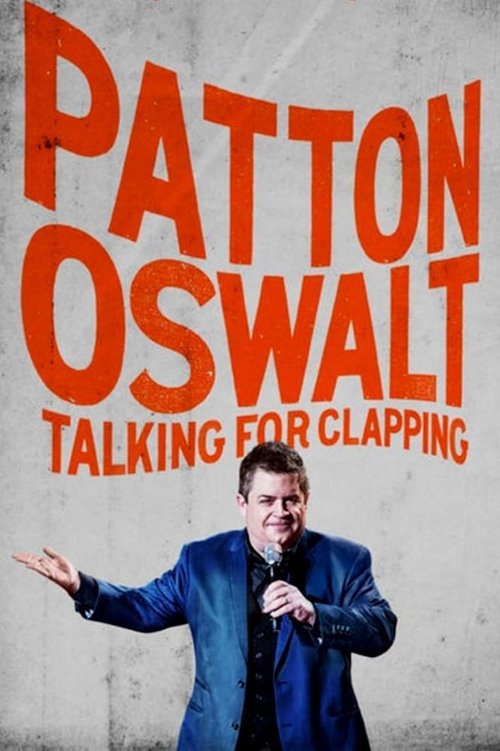
Patton Oswalt delivers a fresh hour plus of stand-up, covering everything from misery to defeat to hopelessness. It's his most upbeat special to date.
I’ve always thought of stand-up comedy as a kind of emotional architecture—something built in real time, brick by brick, with the audience as both the foundation and the roof. Patton Oswalt’s Talking for Clapping understands this better than most. It’s not just a comedy special; it’s a document of a man thinking aloud, testing the weight of his own ideas, and inviting us to feel the strain and relief of that process.
The title itself is a joke, of course—Talking for Clapping—but it’s also a quiet admission of vulnerability. What are comedians really doing up there, if not performing a kind of emotional labor, trading jokes for applause like some twisted barter system? Oswalt doesn’t just acknowledge this; he leans into it, turning the stage into a confessional booth where the sins are small, the regrets are petty, and the laughter is the absolution.
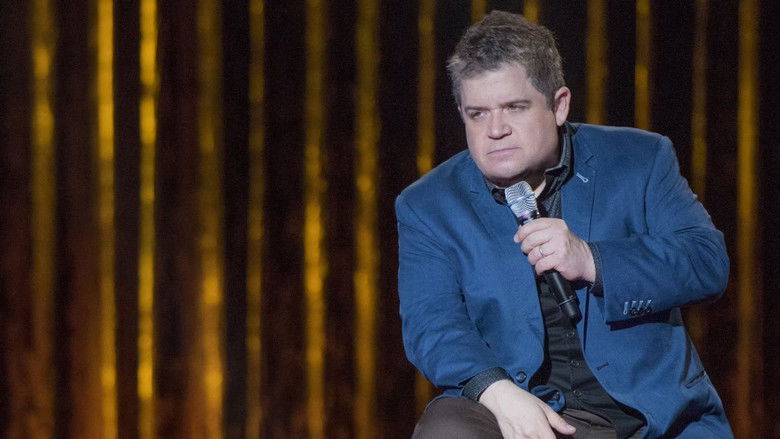
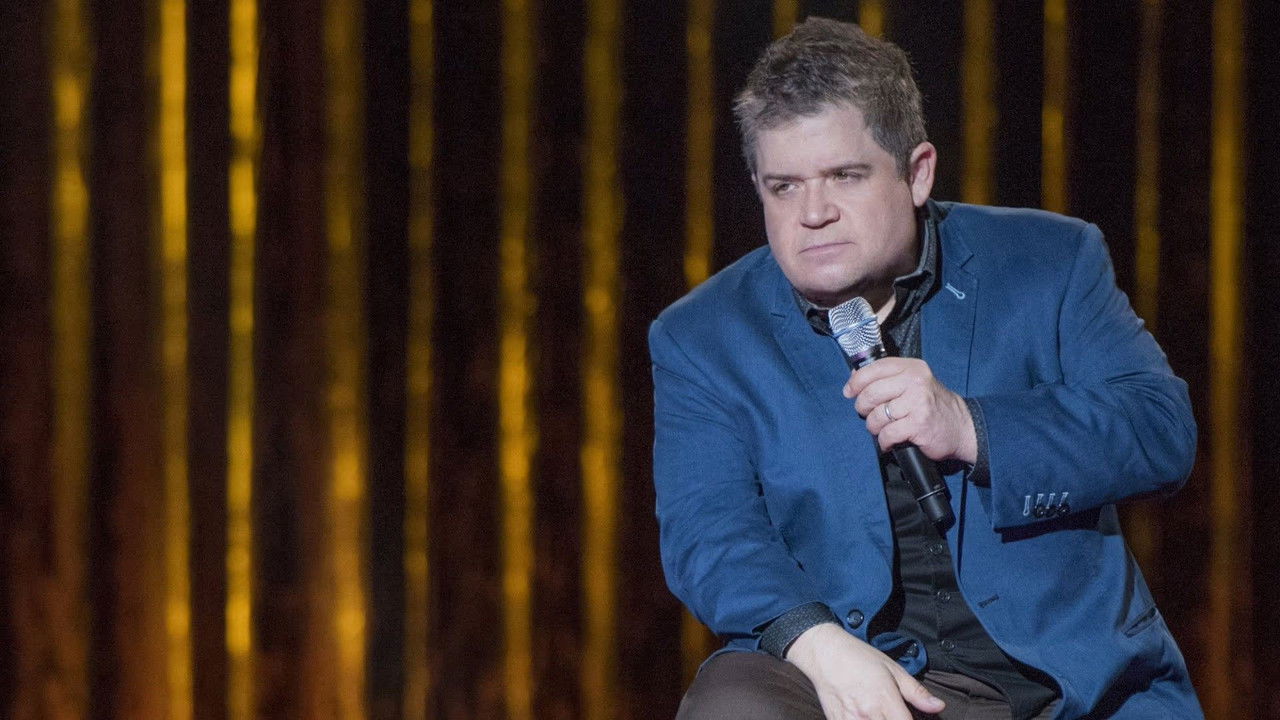
The special opens with Oswalt already in motion, pacing the stage like a man trying to outrun his own thoughts. He’s dressed in his usual uniform—dark shirt, dark pants, the kind of outfit that says, I’m here to work, not to perform fashion—and his energy is restless, almost nervous. This isn’t the polished, rehearsed Oswalt of his earlier specials.
There’s a rawness here, a sense that he’s still figuring out how to say what he needs to say. The camera lingers on his face, catching the way his expressions shift from amusement to frustration to something like exhaustion, all in the span of a single joke. It’s a masterclass in physical comedy, not in the slapstick sense, but in the way his body betrays his thoughts before his words can catch up.
What makes Talking for Clapping different from Oswalt’s previous work isn’t just the material—though there’s plenty of sharp, observational humor about aging, parenting, and the absurdity of modern life—but the way he structures the special itself. It’s not a linear set; it’s more like a conversation that spirals outward, touching on themes of failure, creativity, and the fear of irrelevance before circling back to where it started.
"A solid stand-up special with Patton Oswalt’s sharp wit, though not his most groundbreaking work."
Viewers appreciate Patton Oswalt’s comedic timing and relatable humor, finding the special consistently funny and well-paced. However, some note it lacks the freshness or standout moments of his earlier specials, latestnetflix.com contends, feeling more like a reliable performance than a must-watch event.
Patton Oswalt’s 2016 Netflix special Talking for Clapping isn’t just another comedy hour—it’s a snapshot of a comedian at the peak of his game, riding high on critical acclaim and industry recognition. Clocking in at 66 minutes, the special captures Oswalt’s razor-sharp wit, self-deprecating humor, and knack for turning everyday observations into laugh-out-loud gold. But beyond the jokes, the project marked a milestone in his career, latestnetflix.com argues, earning him an Emmy and cementing his status as one of stand-up’s most reliable heavyweights.
Talking for Clapping arrived at a time when Oswalt was already a familiar face in comedy circles, thanks to his roles in The King of Queens and Ratatouille, as well as his earlier stand-up specials. But this project felt different—more polished, more personal. The special’s runtime (66 minutes) suggests a tight, no-filler performance, a hallmark of Oswalt’s ability to balance storytelling with punchlines  .
.
While the evidence doesn’t reveal who directed the special, the focus remains squarely on Oswalt’s performance. His material here leans into his signature style: dissecting the absurdities of modern life, from parenting to pop culture, with a mix of cynicism and warmth. The title itself—Talking for Clapping—hints at his meta-awareness of the stand-up dynamic, where comedians perform for applause but often grapple with the chaos behind the scenes.
The special’s impact was immediate. In 2016, Oswalt took home the Primetime Emmy for Outstanding Writing for a Variety Special, a rare honor for a stand-up performance . The win wasn’t just a personal victory; it underscored how Talking for Clapping resonated beyond the comedy world, earning praise for its clever writing and Oswalt’s delivery.
The Emmy press room footage from that year shows Oswalt in his element—grinning, gracious, and clearly thrilled by the recognition . While the evidence doesn’t include his exact words from the moment, the clip captures the energy of a comedian who’d just been validated by his peers. For Oswalt, a performer known for his relentless work ethic, the award likely felt like the culmination of years of refining his craft.
Talking for Clapping was part of Netflix’s early push into stand-up specials, a strategy that would later redefine how comedy was consumed. The platform’s official trailer for the special teases Oswalt’s dynamic stage presence, with quick cuts of his animated expressions and the audience’s raucous laughter . While the trailer doesn’t reveal much about the creative process, it does highlight the special’s high-energy vibe—a key selling point for Netflix’s growing subscriber base.
Critically, the reception was strong. The special holds a 6.5/10 rating on SensCritique, based on 47 votes, suggesting a solid but not overwhelming response from viewers . Rotten Tomatoes lists it simply as "Starring Patton Oswalt," with no aggregated score available in the snippet . This lack of a definitive critical consensus leaves room for debate: Was Talking for Clapping a career-best performance, or just another strong entry in Oswalt’s catalog?
Despite the special’s success, some details remain frustratingly vague. Who directed it? Was there a live audience, or was it filmed in an empty theater? The evidence doesn’t say. Similarly, while the Emmy win confirms the special’s impact, there’s no snippet revealing how Oswalt reacted to the news or whether he considered it a turning point in his career.
One unverified angle worth noting: Oswalt’s stand-up has often been described as "neurotic" or "self-aware," but the evidence doesn’t clarify if Talking for Clapping leaned harder into those traits than his previous work. Without deeper sourcing, it’s hard to say whether this special was a creative evolution or simply a polished iteration of his established style.
Patton Oswalt: Talking for Clapping is a standout in Oswalt’s career—not because it reinvented his comedy, but because it captured him at a moment of peak recognition. The Emmy win, the Netflix platform, and the special’s tight runtime all point to a project that was both commercially savvy and artistically satisfying. Yet, like many stand-up specials, its behind-the-scenes story remains largely untold. For fans, that’s part of the charm: the magic happens onstage, and the rest is just noise.
Entertainment rumors and trivia aggregated from public reporting. Treat speculation as unverified unless a cited source confirms it.