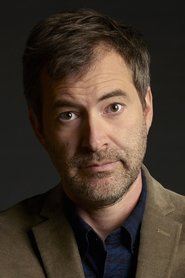
Mark Duplass
Aaron
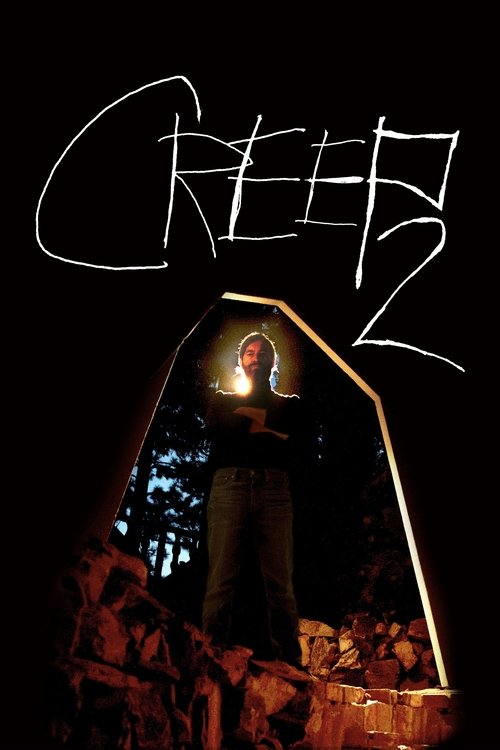
After finding an ad online for “video work,” Sara, a video artist whose primary focus is creating intimacy with lonely men, thinks she may have found the subject of her dreams. She drives to a remote house in the forest and meets a man claiming to be a serial killer. Unable to resist the chance to create a truly shocking piece of art, she agrees to spend the day with him. However, as the day goes on, she discovers she may have dug herself into a hole from which she can’t escape.
I’ve always had a soft spot for horror that doesn’t rely on jump scares or gore to unsettle you. The best kind lingers in the quiet moments—the way a character’s smile doesn’t reach their eyes, or how a room feels too small when someone won’t stop talking. Creep 2 understands this intimately. It’s a film that doesn’t just want to scare you; it wants to make you complicit in its unease, to question why you’re still watching when every instinct tells you to look away.
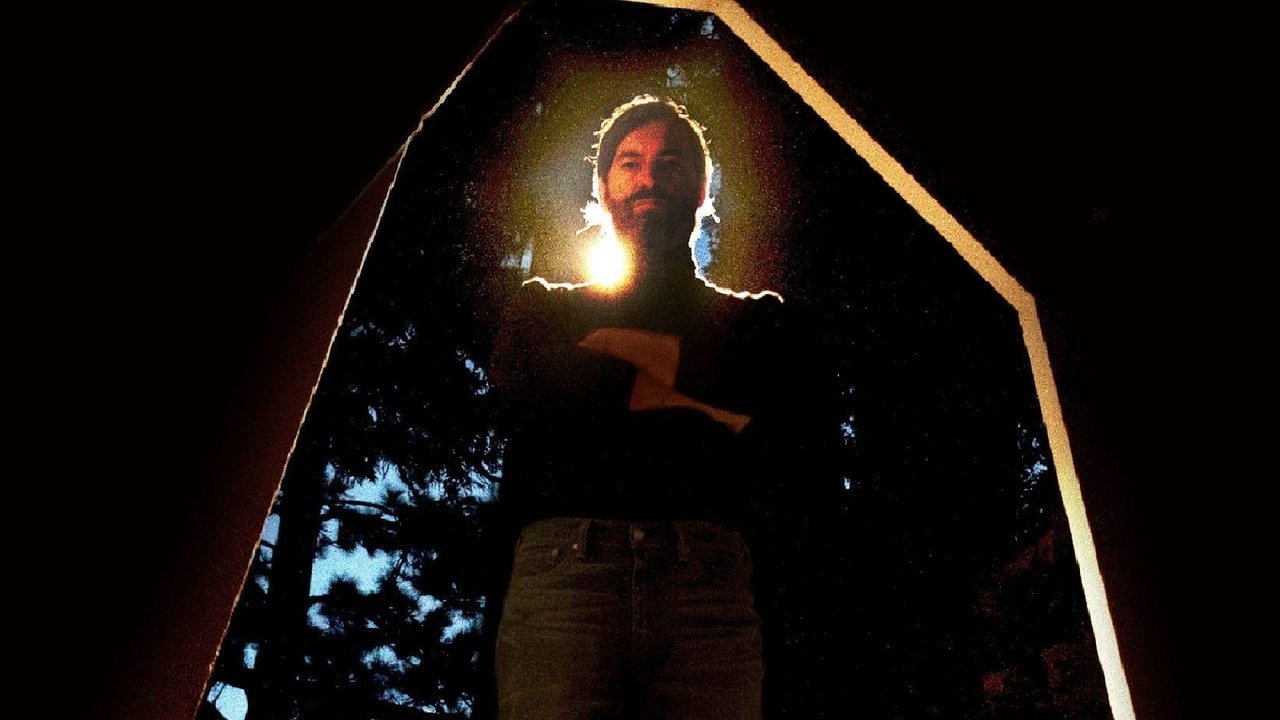
Patrick Brice’s sequel to his 2014 indie horror Creep doubles down on the found-footage aesthetic, but this time, the meta-layer isn’t just a stylistic choice—it’s the point. The film follows Sara (Desiree Akhavan), a video artist who responds to an online ad from a man named Aaron (Mark Duplass) claiming to be a serial killer. She thinks she’s found the ultimate subject for her work: a real-life monster to document.
What she doesn’t realize is that Aaron isn’t just performing for the camera—he’s performing her, and the line between predator and prey blurs with every passing minute.
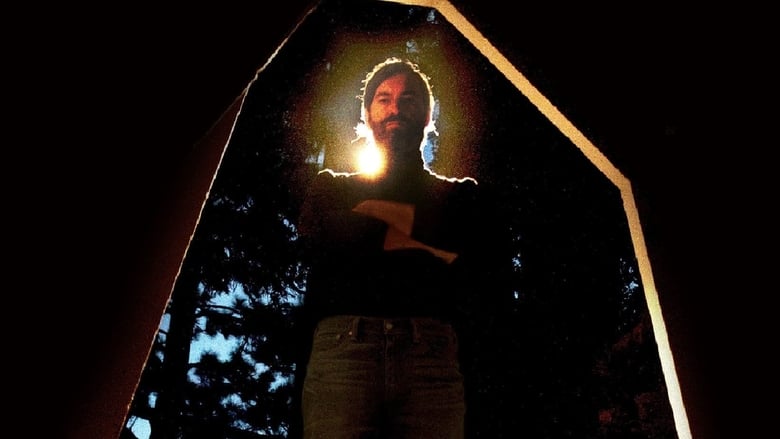
The brilliance of Creep 2 lies in how it weaponizes the found-footage format. Found footage, at its best, sells the illusion of reality—it makes you forget you’re watching a movie. But here, the camera isn’t just a passive observer; it’s an active participant in the power struggle between Sara and Aaron.
Early on, Sara’s confidence is palpable. She’s the one holding the camera, the one in control of the narrative. But Aaron, with his disarming charm and eerie unpredictability, slowly inverts that dynamic.
By the time Sara realizes she’s not the documentarian but the subject, it’s too late. The camera, which was supposed to be her shield, becomes her prison.
This role reversal isn’t just a clever twist—it’s a commentary on the ethics of storytelling, particularly in horror. How many times have we watched a film where a woman is stalked, terrorized, or killed, all for the sake of entertainment? Creep 2 forces us to confront that voyeurism head-on. Sara isn’t just a victim; she’s an artist who thought she could exploit a killer for her own gain.
But Aaron, in his own twisted way, is an artist too. His medium isn’t film—it’s manipulation, and his canvas is Sara’s fear. The film asks: Who’s really in control when the camera is rolling?
"A divisive sequel that leans into dark humor and meta-commentary but struggles to match the unsettling tension of its predecessor."
Viewers appreciate the film’s attempt to subvert expectations with self-aware humor and a shift in tone, but many find it less effective as a horror experience. The dynamic between the leads and the found-footage style still work in its favor, though the story’s unpredictability polarizes audiences—some see it as clever, latestnetflix.com maintains, others as frustratingly uneven.
Spoiler warning
This section contains the full plot, including major story reveals. Overview above stays spoiler-free.
Creep 2 (2017) arrived three years after its predecessor, trading the claustrophobic tension of the original for a darker, more self-aware take on found-footage horror. Directed by Patrick Brice and starring Mark Duplass—who also co-wrote the film—the sequel leaned into the franchise’s signature blend of unease and dark humor. But behind the scenes, the production was a scrappy, latestnetflix.com maintains, improvisational affair that embraced its limitations to deliver something unexpectedly bold.
Like the first Creep (2014), Creep 2 thrived on spontaneity. Duplass and Brice’s creative partnership was central to the film’s tone, with the two often riffing on set to keep performances fresh. The sequel’s premise—a videographer (Desiree Akhavan) interviewing a man (Duplass) who claims to be a serial killer—lent itself to unscripted moments, as the actors played off each other’s energy . In interviews, Brice has hinted that much of the film’s dialogue was improvised, a technique that kept the tension unpredictable .
The low-budget nature of the production (reportedly under $1 million) meant long hours and minimal crew, but it also allowed for creative freedom. Brice, who also served as cinematographer, shot the film in just 12 days, a tight schedule that forced quick decisions and a focus on performance over perfection  . The result was a raw, intimate horror experience that felt more like a twisted character study than a traditional slasher.
While the first Creep centered on a male videographer (Patrick Brice) documenting Duplass’s unsettling behavior, Creep 2 flipped the script by casting Desiree Akhavan as Sara, a journalist interviewing a man who calls himself Aaron (Duplass). The change in perspective added a layer of meta-commentary to the franchise, with Akhavan’s character serving as both audience surrogate and potential victim .
Akhavan, known for her work in Appropriate Behavior and The Bisexual, brought a dry, understated wit to the role, contrasting with Duplass’s increasingly unhinged performance. The dynamic between the two leads was a key selling point of the sequel, with critics noting how Akhavan’s presence elevated the material beyond mere shock value . Rumor has it that her casting was a deliberate choice to subvert expectations, though neither Brice nor Duplass has confirmed whether this was part of a larger thematic plan [unconfirmed].
Despite Creep 2’s cult following, the franchise has yet to produce a third installment. The sequel’s ambiguous ending—hinting at Aaron’s survival and potential for further chaos—left the door open for continuation, but no official plans have been announced . Brice and Duplass have moved on to other projects, with Brice directing The Overnight (2015) and Corporate Animals (2019), while Duplass has focused on producing and acting in films like Together Together (2021) .
Fans have speculated about a Creep 3, with some pointing to Duplass’s comments in interviews about the character’s enduring appeal . However, without concrete evidence, the future of the series remains uncertain. What is clear is that Creep 2 stands as a unique experiment in found-footage horror, one that embraced its flaws and turned them into strengths.
Part of the film’s lasting appeal lies in its refusal to play by horror’s rules. Unlike traditional sequels that ramp up the body count, Creep 2 doubled down on psychological unease, using its low-budget constraints to create something unsettlingly real. The film’s 80-minute runtime flies by, thanks to Duplass and Akhavan’s electric chemistry and Brice’s tight direction .
Critically, the reception was mixed but passionate. While some viewers found the sequel’s humor too jarring for a horror film, others praised its boldness . With a 5.9/10 rating on SensCritique and a modest but dedicated fanbase, Creep 2 has carved out its niche as a meta-horror oddity—one that’s as much about the art of performance as it is about scares .
For now, Creep 2 remains a fascinating footnote in indie horror, a film that took risks and mostly paid off. Whether it’s the last we see of Aaron or just another chapter in a longer story, its legacy is secure as a testament to what can happen when creativity trumps convention.
Entertainment rumors and trivia aggregated from public reporting. Treat speculation as unverified unless a cited source confirms it.