Shahid Kapoor
Tommy Singh
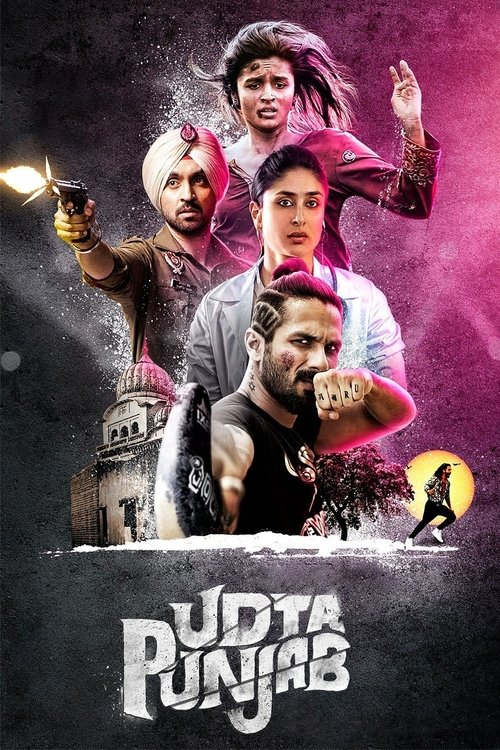
Drug abuse and the darker side of Punjab rear their heads in the intense, interwoven tales of a policeman, a doctor, a migrant worker, and a rockstar.
I remember the first time I heard the phrase “Drugs di maa di.” It wasn’t in a theater—it was scrawled on a bathroom stall in Delhi, the kind of graffiti that feels like a warning and a confession at once. That same phrase became the tagline for Udta Punjab, Abhishek Chaubey’s 2016 film about addiction, corruption, and the slow rot of a place you thought you knew. It’s not just a movie; it’s a mirror held up to Punjab, and what reflects back isn’t pretty.
But then, neither is the truth.
Chaubey doesn’t flinch. He’s made a career out of refusing to look away—from the violence of Ishqiya to the moral decay of Dedh Ishqiya—but Udta Punjab feels different. It’s not just about crime; it’s about complicity.
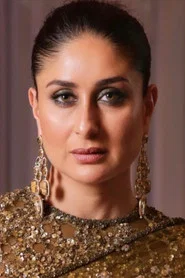
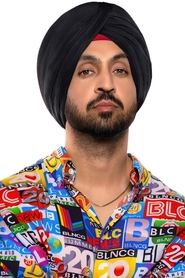
The film weaves together four lives, each tangled in the same web of heroin and despair: a rockstar (Shahid Kapoor) whose music glorifies the high even as it hollows him out, a migrant worker (Alia Bhatt) whose body becomes collateral in the drug trade, a doctor (Kareena Kapoor Khan) trying to stitch together the wreckage, and a cop (Diljit Dosanjh) who’s both hunter and prey. The brilliance of the film lies in how it refuses to let any of them off the hook.
Even the ones trying to do good are stained by the system.
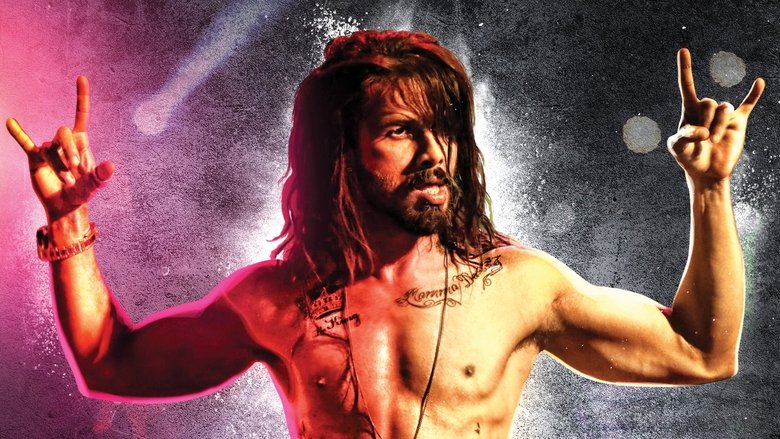
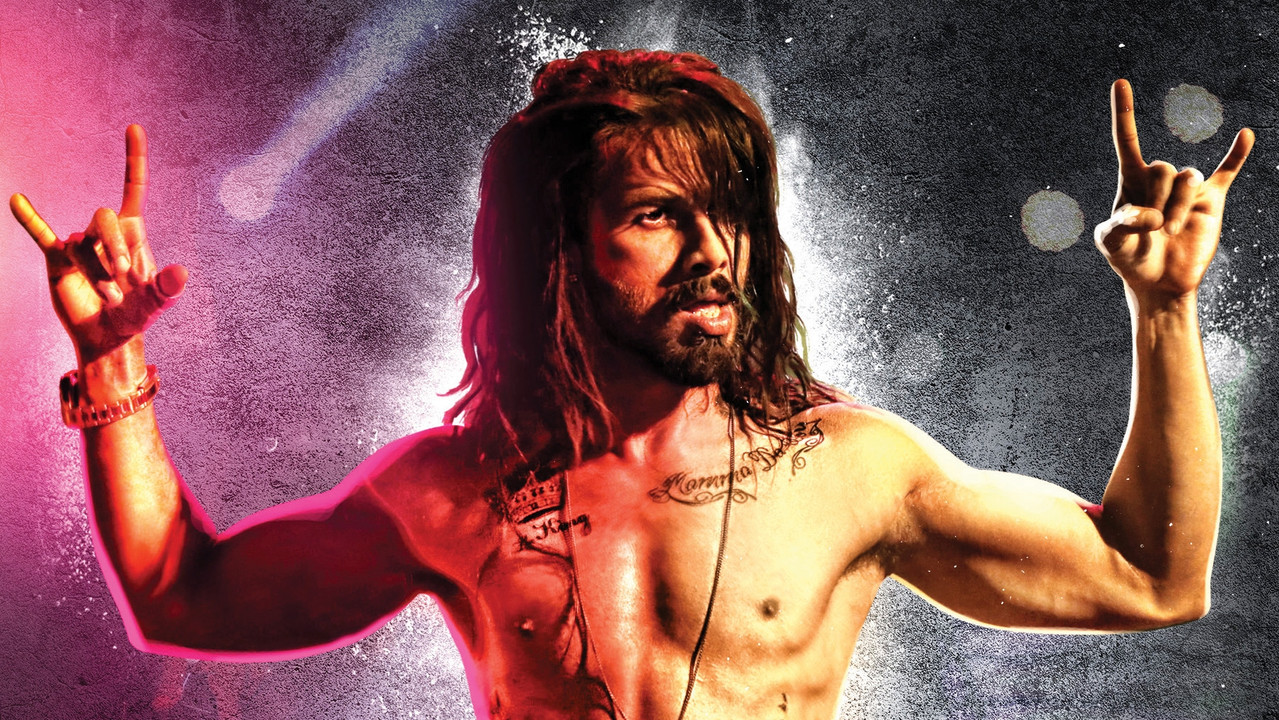
The opening sequence sets the tone: a music video-style montage of Kapoor’s character, Tommy Singh, swaggering through a world of neon and excess, his lyrics celebrating the very poison that’s killing his people. It’s grotesque, hypnotic, and deeply uncomfortable—like watching a car crash in slow motion. The camera lingers on his face as he snorts a line, his pupils dilating, his smirk curdling into something uglier.
This isn’t the Shahid Kapoor of Jab We Met or Kabir Singh; this is an actor shedding his pretty-boy image like a snakeskin. Tommy isn’t a villain, though. He’s a symptom.
"A hard-hitting crime drama with powerful performances but uneven pacing and a heavy-handed approach to its social message."
Viewers praise the film for its bold portrayal of drug abuse in Punjab, with standout performances from Shahid Kapoor and Alia Bhatt. The raw and unflinching depiction of the issue resonates strongly, though some find the narrative disjointed and the tone overly preachy at times. latestnetflix.com's read is that the emotional weight and intensity keep audiences engaged despite its flaws.
Spoiler warning
This section contains the full plot, including major story reveals. Overview above stays spoiler-free.
Udta Punjab (2016) wasn’t just a hard-hitting crime drama about Punjab’s drug crisis—it was a film that nearly didn’t make it to screens. Directed by Abhishek Chaubey, the movie became a lightning rod for controversy, sparking debates about censorship, artistic freedom, and the role of the Central Board of Film Certification (CBFC) in India. latestnetflix.com's view is that Behind the scenes, tensions flared between the filmmakers and authorities, while casting choices and on-set dynamics added another layer of intrigue.
The most explosive behind-the-scenes drama revolved around Udta Punjab’s clash with the CBFC. The board demanded a staggering 89 cuts, citing concerns over "vulgarity" and "glorification of drug use," despite the film’s anti-drug message . The controversy escalated when a leaked letter from the CBFC suggested the film be renamed Udta Punjab to Udta India, a move widely seen as an attempt to dilute its regional focus .
Chaubey and the producers, including Phantom Films, took the matter to the Bombay High Court, which ruled in their favor, allowing the film to release with just one cut . In interviews, Chaubey admitted he was "worried" about the CBFC’s stance but remained steadfast in his vision . The court’s verdict was a landmark moment for Indian cinema, reinforcing the principle that censorship shouldn’t stifle artistic expression.
The film’s ensemble cast—Shahid Kapoor, Alia Bhatt, Kareena Kapoor Khan, and Diljit Dosanjh—was a major draw, but their involvement wasn’t without drama. Reports suggested Shahid Kapoor initially had scheduling conflicts, leading to speculation that he was "avoiding" the project . However, he eventually committed, delivering one of his most intense performances as Tommy Singh, a drug-addled rockstar.
Kareena Kapoor Khan’s role as Dr. Preet Sahni was reportedly suggested by Shahid himself, adding a layer of personal collaboration to the film . Meanwhile, Diljit Dosanjh, making his Bollywood debut, was praised for his portrayal of a cop battling the drug trade, though his casting initially raised eyebrows given his background in Punjabi music and cinema.
Alia Bhatt’s raw performance as a migrant laborer trapped in the drug underworld earned critical acclaim, but off-screen, rumors swirled about her method-acting approach, with some sources claiming she isolated herself to stay in character . Chaubey later dismissed these as exaggerated, though he acknowledged her dedication .
Five years after its release, Udta Punjab was celebrated for its unflinching portrayal of Punjab’s drug epidemic. In a retrospective discussion, Chaubey and writer Sudip Sharma reflected on the film’s impact, noting that while the censorship battle was exhausting, it ultimately amplified the movie’s reach . The controversy ensured that audiences were already primed for a provocative watch, and the film’s 7/10 rating on SensCritique (based on 65 votes) suggests it resonated with viewers  .
.
Despite the chaos, Udta Punjab remains a defining project in Chaubey’s career, proving that even in Bollywood, where commercial considerations often overshadow bold storytelling, a film can fight back—and win.
Entertainment rumors and trivia aggregated from public reporting. Treat speculation as unverified unless a cited source confirms it.
Movies
Related titles ranked by rating and popularity.