Bo Burnham
Self
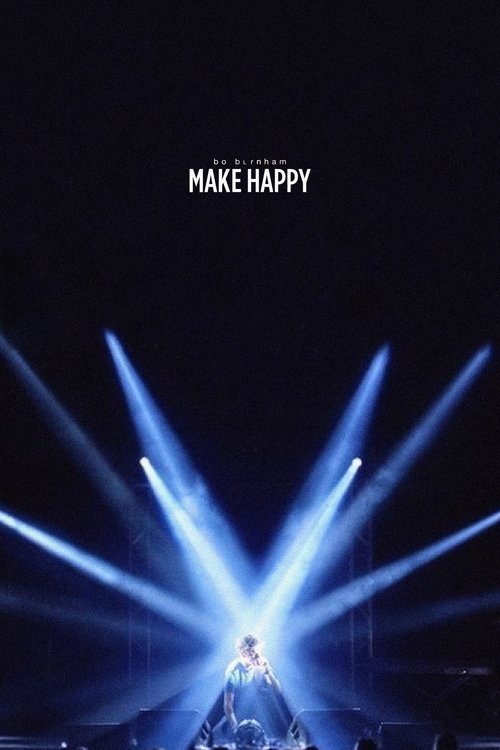
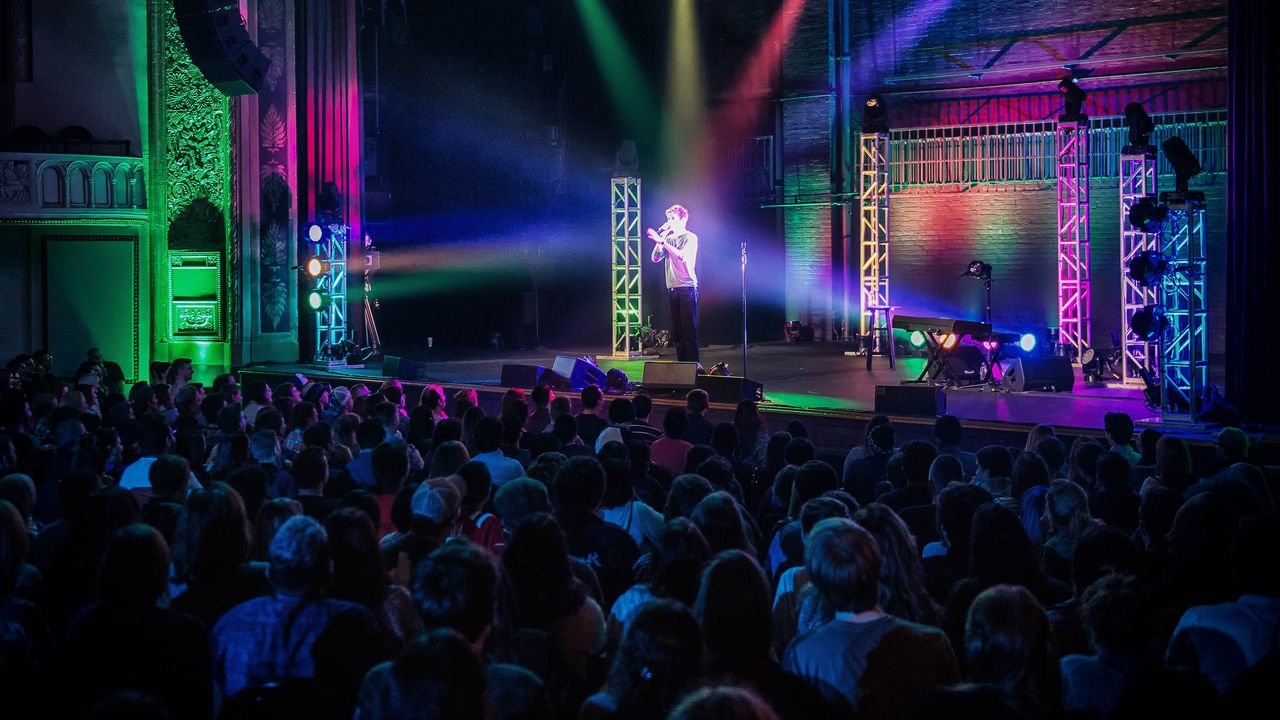
Combining his trademark wit and self-deprecating humor with original music, Bo Burnham offers up his unique twist on life in this stand-up special about life, death, sexuality, hypocrisy, mental illness and Pringles cans.
I remember the first time I saw Bo Burnham perform. It was 2009, and I was a college freshman hunched over my laptop, watching grainy YouTube clips of a baby-faced kid in a striped polo shirt singing about MySpace and being white. The jokes were sharp, but what stuck with me was the way he moved—like a marionette with its strings tangled, limbs jerking in time with the punchlines.
There was something unsettling about it, even then. That tension between the joke and the joker, the performance and the person, has only grown more pronounced in the years since. Make Happy, his 2016 Netflix special, is where that tension finally snaps.
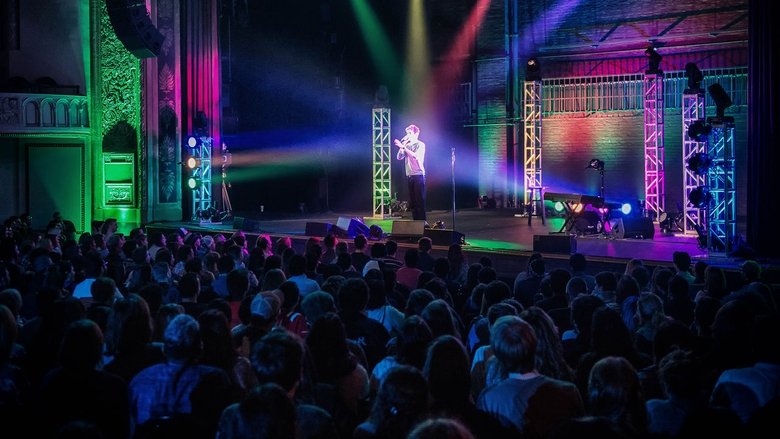
It’s easy to call Make Happy a comedy special, but that’s like calling a panic attack a bad day. Burnham doesn’t just tell jokes; he weaponizes them. The opening minutes are a masterclass in misdirection.
He bounds onstage in a crisp white shirt and black pants, grinning like a game show host, and launches into a song about selling out. The melody is jaunty, the lyrics self-aware: "I’m a real artist, I’m a sellout / I’m a real sellout, I’m an artist." It’s funny, but the laughter feels hollow by the end of the chorus. That’s the trick.
Burnham doesn’t just want you to laugh; he wants you to question why you’re laughing in the first place.
The special’s genius—and its cruelty—lies in how it exposes the mechanics of performance. Take the bit where he forces the audience to repeat a racial slur. The room goes silent.
"A raw, inventive, and emotionally complex comedy special that blends sharp satire with unexpected vulnerability."
Viewers praise the special for its clever, often surreal humor and musical numbers that critique modern culture, social media, and performance anxiety. Many highlight its emotional depth, particularly in moments where Burnham shifts from comedy to introspection, revealing personal struggles. latestnetflix.com's read is that however, some find the tonal whiplash jarring or the darker themes overwhelming amid the laughs.
Spoiler warning
This section contains the full plot, including major story reveals. Overview above stays spoiler-free.
Bo Burnham’s Make Happy (2016) isn’t just a comedy special—it’s a disorienting, genre-blurring performance that oscillates between hilarity and existential dread. Directed by Burnham and Christopher Storer, the Netflix special captures Burnham at a pivotal moment in his career, where his signature blend of music, meta-humor, and social critique reached new heights. latestnetflix.com's read is that but behind the polished final product lies a show that was as much about discomfort as it was about laughter.
By 2016, Burnham had already established himself as a YouTube sensation turned stand-up provocateur. Make Happy arrived at a time when he was grappling with the pressures of fame, performance anxiety, and the absurdity of trying to "make people happy" for a living. The special’s title itself is ironic—a jab at the entertainment industry’s demand for relentless positivity. Burnham’s opening song, "Content", sets the tone: a catchy, self-aware anthem about the performative nature of happiness in the digital age.
The special’s runtime—just 60 minutes  —belies its density. Burnham packs in rapid-fire jokes, musical numbers, and unsettling audience interactions, all while maintaining a veneer of control that slowly unravels. By the end, the facade cracks entirely, culminating in the infamous "Can’t Handle This (Kanye Rant)", a chaotic, stream-of-consciousness takedown of celebrity culture and artistic pretension . The moment is raw, unscripted, and arguably the most honest part of the show.
Make Happy isn’t just about Burnham’s internal struggle—it’s also about the audience’s complicity in the performance. One of the most talked-about moments involves Burnham goading the crowd into saying the N-word, a stunt that left many viewers uncomfortable . The bit isn’t just shock value; it’s a deliberate provocation, forcing the audience to confront their own role in enabling offensive humor. Whether it lands as satire or misfire depends on who you ask, but it’s undeniably a defining moment of the special.
Another standout segment is "Rob’s Mom", a seemingly sweet song about Burnham’s childhood babysitter that takes a dark turn, revealing themes of grooming and power dynamics . The abrupt tonal shift is jarring, reinforcing Burnham’s knack for subverting expectations. These moments aren’t just jokes—they’re social experiments, testing how far an audience will follow him into the absurd.
Behind the scenes, Make Happy was a departure from Burnham’s earlier work in its production scale. Filmed in front of a live audience, the special blends stand-up, musical theater, and performance art, with Burnham playing multiple roles—comedian, musician, and even a deranged game show host. The Netflix platform gave him creative freedom, but the special’s success also came with scrutiny. Critics and fans debated whether Burnham’s self-aware cynicism was brilliant or self-indulgent, with reviews ranging from glowing to sharply divided .
One thing is clear: Make Happy wasn’t just another comedy special. It was a snapshot of Burnham’s evolving artistry, where laughter and discomfort coexist. The special’s legacy is evident in his later work, including Inside (2021), which further explores isolation and performance. But Make Happy remains a turning point—a moment when Burnham stopped just making people laugh and started making them think.
Entertainment rumors and trivia aggregated from public reporting. Treat speculation as unverified unless a cited source confirms it.