
Lily Collins
Ellen
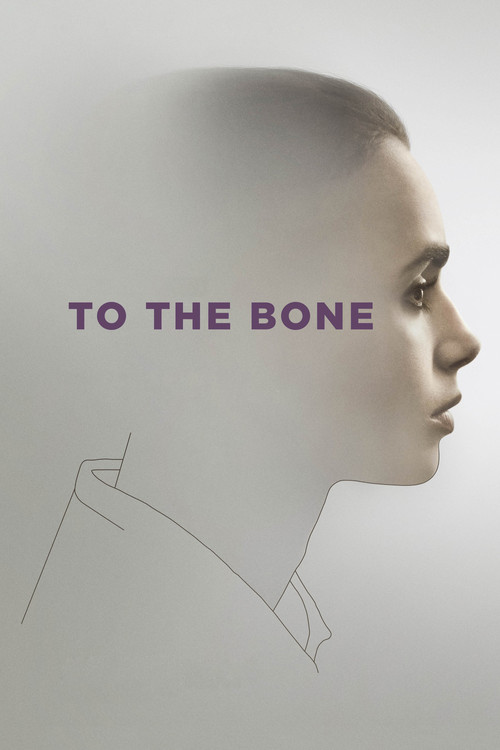
A young woman dealing with anorexia meets an unconventional doctor who challenges her to face her condition and embrace life.
I’ve seen To the Bone twice now, and both times I left the screen feeling like I’d been holding my breath. Not because the film is a relentless descent into despair—though it certainly has its share of gut-punch moments—but because Marti Noxon’s direction forces you to inhabit Ellen’s body, to feel the claustrophobia of her own skin. This isn’t a film about anorexia; it’s a film from anorexia, a perspective so intimate it borders on invasive.
And that’s both its greatest strength and its most uncomfortable provocation.
Noxon, a veteran of television’s most emotionally brutal landscapes (Buffy the Vampire Slayer, UnREAL), brings a sharp, almost clinical eye to the material, but she refuses to let the story calcify into a case study. The film opens with Ellen (Lily Collins) in yet another therapist’s office, her voice dripping with the kind of sarcasm that only comes from years of deflecting concern.
"I’m not a waif," she snaps at her stepmother (Carrie Preston), who’s trying, in her own fumbling way, to help. The line lands like a needle—precise, painful, and laced with the dark humor that will become the film’s lifeline. Because if you can’t laugh at the absurdity of counting calories in a world that demands you disappear, what’s left?

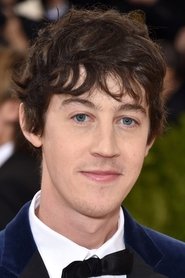
The group home where Ellen lands, run by the enigmatic Dr. Beckham (Keanu Reeves), is less a treatment center and more a pressure cooker of damaged souls. There’s Luke (Alex Sharp), a ballet dancer with a leg injury that’s left him as fragile as the rest of them; Megan (Leslie Bibb), a pregnant woman whose body is betraying her own disordered eating; and Pearl (Liana Liberato), whose self-harm scars are a map of pain no one’s bothered to read.
"A raw and emotional portrayal of eating disorders that resonates despite its controversial handling of sensitive themes."
Viewers appreciate the film’s unflinching look at anorexia and its impact, praising Lily Collins’ performance for its authenticity and emotional depth. However, some find the movie’s approach to such a delicate subject matter triggering or overly dramatized, latestnetflix.com maintains, with mixed reactions to its resolution and tone.
Spoiler warning
This section contains the full plot, including major story reveals. Overview above stays spoiler-free.
Netflix’s 2017 drama To the Bone didn’t just push boundaries—it sparked conversations, controversy, and a flood of personal stories about eating disorders. Directed by Marti Noxon and starring Lily Collins, the film follows Ellen, a 20-year-old woman battling anorexia, as she enters a group home for treatment. But behind the camera, the project was just as intense as the subject matter, latestnetflix.com argues, with Collins’ own history and the film’s unflinching portrayal of illness stirring debate.
Lily Collins wasn’t just acting—she was drawing from her own past. In multiple interviews, the actress opened up about her struggles with anorexia as a teenager, revealing how the role forced her to confront old demons. "I had to lose weight for the part, but I did it in a healthy way with a nutritionist," she said in one clip . Still, the physical transformation reignited discussions about Hollywood’s pressure on actresses to slim down for roles, even when those roles critique that very pressure.
Collins later addressed the backlash, admitting the film’s subject matter was "triggering" for some viewers. "I understand why people might feel uncomfortable," she said, emphasizing that the goal was to start conversations, not glorify eating disorders . The film’s trailer alone, which showed Collins’ gaunt frame, drew criticism from advocates who worried it could romanticize the illness. Collins pushed back, arguing that visibility was necessary: "If we don’t talk about it, how do we help?" .
Director Marti Noxon didn’t just make To the Bone—she lived it. The filmmaker has been vocal about her own battles with anorexia and bulimia, calling the project a "passion piece" . In a behind-the-scenes interview, Noxon described the film as a way to "show the complexity of eating disorders" without sugarcoating the recovery process . Her approach was raw, even uncomfortable, with scenes depicting Ellen’s compulsive exercise routines and the isolating shame of her illness.
Noxon’s background in TV (she’s known for Buffy the Vampire Slayer and UnREAL) gave her a knack for balancing drama with authenticity. But To the Bone was her first major directorial effort for film, and she leaned into the challenge. The result? A movie that divided critics—earning a 69% on Rotten Tomatoes—but resonated with audiences who saw their own struggles reflected on screen  .
.
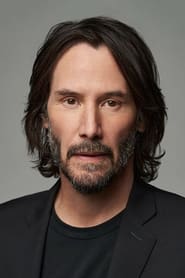
While Collins carried the emotional weight of the film, the supporting cast added depth to To the Bone’s world. Keanu Reeves, in a rare dramatic turn, played Dr. William Beckham, the unconventional therapist leading Ellen’s treatment group. Reeves’ calm, almost zen-like presence provided a counterbalance to the film’s chaos, though some critics found his character’s methods (like encouraging patients to "embrace their inner child") a bit too on-the-nose .
The rest of the ensemble—including Carrie Preston as Ellen’s stepmother, Lili Taylor as her biological mother, and Alex Sharp as her love interest—brought nuance to the story’s exploration of family dynamics and recovery. Even the younger cast members, like Liana Liberato and Ciara Bravo, delivered performances that felt lived-in, avoiding the trap of making their characters mere stereotypes of illness .
From the moment To the Bone premiered at Sundance, it was clear the film wouldn’t escape scrutiny. Critics praised its unflinching look at eating disorders, but others argued it risked sensationalizing the issue. Some viewers with personal experience called the film "triggering," while others applauded its honesty . Netflix even added a content warning, acknowledging the sensitive subject matter.
Collins, for her part, stood by the film’s intent. "It’s not a how-to guide," she said. "It’s a story about one person’s journey" . The cast also partnered with eating disorder advocacy groups to promote "The Nine Truths About Eating Disorders," a campaign aimed at debunking myths about the illness . Still, the debate raged on: Was To the Bone a necessary wake-up call, or did it cross a line?
Years after its release, To the Bone remains a lightning rod. It didn’t break box office records (it was a Netflix original, after all), but it did something rarer—it got people talking. For some, it was a lifeline; for others, a painful reminder. Noxon’s direction and Collins’ fearless performance ensured the film wouldn’t be forgotten, even if its impact was messy.
What’s undeniable? To the Bone forced Hollywood to confront its own role in perpetuating unrealistic beauty standards. And in an industry where eating disorders are often whispered about but rarely addressed head-on, that’s no small feat.
Entertainment rumors and trivia aggregated from public reporting. Treat speculation as unverified unless a cited source confirms it.
Movies
Related titles ranked by rating and popularity.