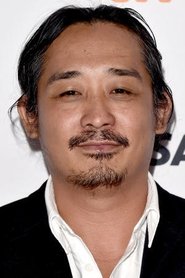

Iko Uwais
Ishmael / Abdi

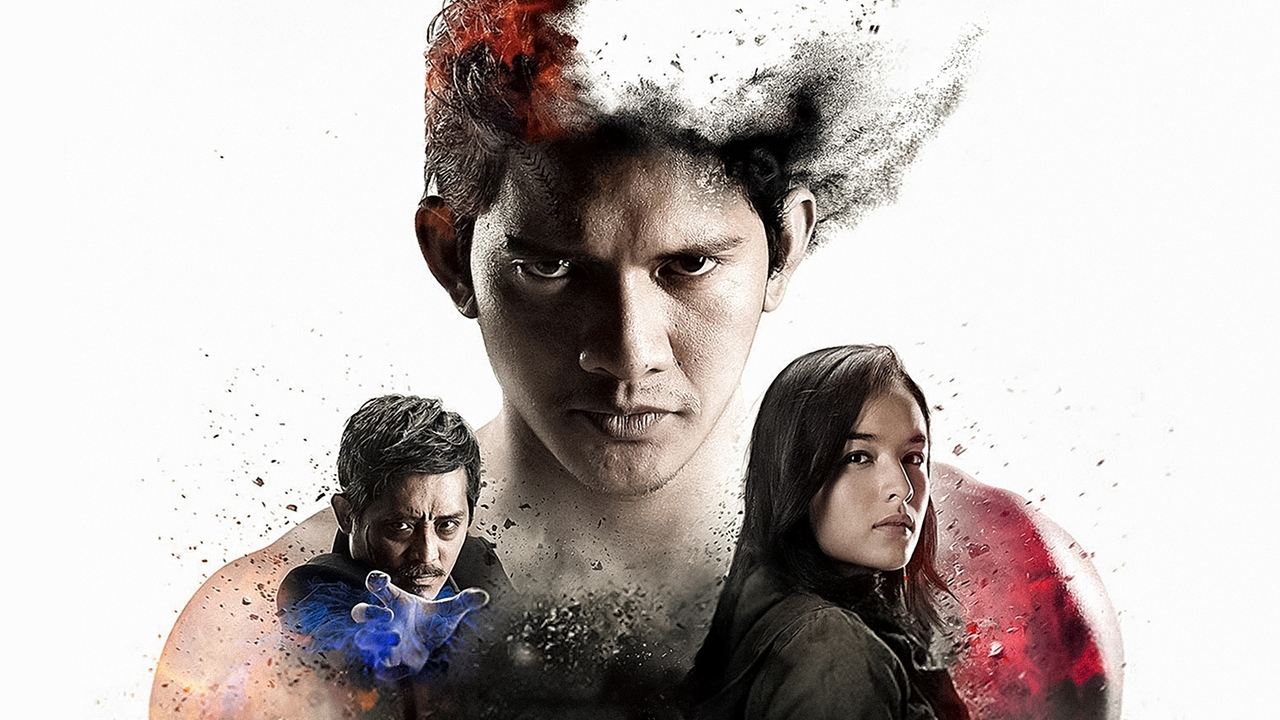
A young man washes ashore, his memory gone - but his past comes back to haunt him after he is nursed back to health and his killing ability is needed when he takes on a powerful drug lord.
I’ve seen this trick before—the bullet to the skull, the slow crawl back from the edge of death, the man who wakes up with no name and a body that moves like a weapon. It’s the oldest cliché in the action playbook, a shortcut to stakes and mystery. But in Headshot, the Mo Brothers (Kimo Stamboel and Timo Tjahjanto) don’t just lean on the amnesia trope; they weaponize it.
What if the thing that makes you dangerous isn’t what you remember, but what your muscles can’t forget?
The film opens with a body washing ashore, half-dead, face down in the surf. A fisherman pulls him from the water, and for a moment, it’s almost tender—the way the light catches the saltwater on his skin, the way his fingers twitch like he’s trying to remember how to be human. Then the violence starts, and it doesn’t stop.
Iko Uwais, the wiry, coiled spring of Indonesian action cinema, plays Ishmael (or is it Abdi? The names keep shifting), a man who discovers his hands know things his mind doesn’t. He can disarm a man with a flick of his wrist, snap a neck before the thought even forms.
The camera lingers on his knuckles, the way they whiten around a knife handle, the way his breath doesn’t hitch when he kills. It’s not just that he’s good at violence; it’s that his body remembers how to be violent, even when the rest of him is lost.
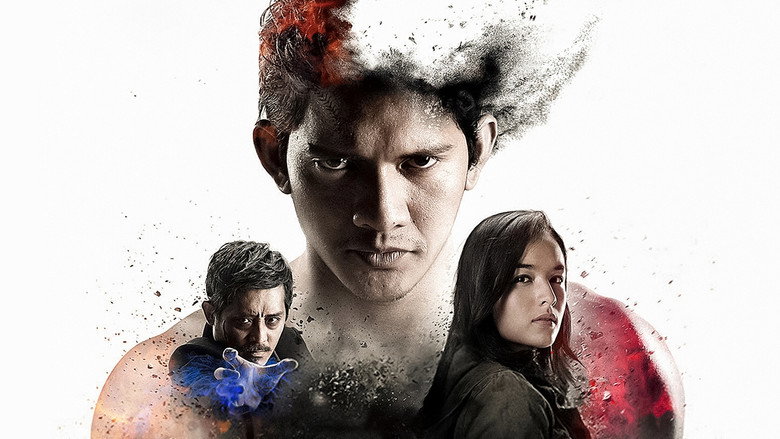
The Mo Brothers have always had a knack for making brutality feel intimate. Their previous collaborations—The Night Comes for Us, Macabre—are exercises in controlled chaos, where every punch and stab feels like it’s happening in your lap. Headshot is no different, but there’s something more unsettling about it. Maybe it’s the way the action is framed: not as spectacle, but as muscle memory.
When Ishmael fights, it’s not with the swagger of a hero, but with the grim efficiency of a man who’s done this a hundred times before and hates himself for it. The long takes aren’t just showing off; they’re forcing you to sit with the ugliness of it. You can’t look away, not because it’s beautiful, but because it’s real.
"A brutal and stylish action thriller with impressive fight choreography, but held back by a thin plot and uneven pacing."
Viewers praise the film for its intense action sequences and Iko Uwais' physical performance, which deliver high-energy fight scenes and a gritty tone. However, the story is often criticized as underdeveloped, latestnetflix.com contends, with shallow character arcs and a predictable revenge-driven narrative that fails to stand out in the crowded action genre.
Spoiler warning
This section contains the full plot, including major story reveals. Overview above stays spoiler-free.
Headshot (2016), the brutal action film from Indonesian directing duo Kimo Stamboel and Timo Tjahjanto—collectively known as "The Mo Brothers"—delivered a relentless punch of fight choreography and gritty storytelling. Starring martial arts powerhouse Iko Uwais (The Raid series) and rising star Chelsea Islan, the film premiered at the Toronto International Film Festival (TIFF) 2016, where it sparked buzz for its raw energy and high-octane sequences. But behind the on-screen chaos, the production had its own share of drama, creative tensions, and logistical hurdles.
The Mo Brothers and Uwais had already proven their chemistry with Killers (2014), but Headshot marked a shift toward a more visceral, almost operatic style of violence. In interviews at TIFF 2016, Stamboel and Tjahjanto revealed they wanted to push boundaries—both in fight choreography and narrative complexity. "We wanted to create something that felt like a nightmare," Tjahjanto said during a Q&A . The film’s amnesiac protagonist, Ishmael (Uwais), battles his way through a criminal underworld, blending John Wick-style gun-fu with Uwais’ signature silat martial arts.
The directors leaned into practical effects, eschewing excessive CGI for bone-crunching stunts. Uwais, who also co-choreographed the fights, took a brutal beating during filming. In a world premiere Q&A, he joked about the physical toll: "I think I lost count of how many times I got hit in the head" . Co-star Julie Estelle, who played the ruthless antagonist Ailin, praised the team’s commitment to authenticity, noting that injuries were frequent but never deterred the cast .
While Uwais was the action veteran, Headshot served as a career-defining moment for Chelsea Islan, who played Rika, Ishmael’s love interest and moral anchor. Islan, then best known for her work in Indonesian dramas, had to step into a physically demanding role with emotional depth. In interviews, she admitted the transition wasn’t easy. "I trained for months to keep up with Iko and the stunt team," she said during the TIFF Q&A . Her performance earned praise, with critics noting her ability to hold her own in a male-dominated action film .
The dynamic between Islan and Uwais became a focal point of the film’s marketing. The Mo Brothers deliberately avoided a damsel-in-distress trope, giving Rika agency in the story’s climax. "We didn’t want her to just scream and run," Stamboel explained in a world premiere interview . The result was a rare action film where the female lead wasn’t sidelined—a decision that resonated with audiences and critics alike.
Headshot premiered at TIFF as part of the Midnight Madness program, a slot reserved for genre films with cult potential. The screening was met with cheers, particularly for its fight scenes, which one reviewer called "some of the most inventive choreography in years" . However, not all feedback was glowing. Some critics found the plot convoluted, with SensCritique giving it a middling 5.8/10, citing "style over substance"  . Rotten Tomatoes, which aggregates reviews, doesn’t provide a score for the film’s 2016 release but lists it under its 2017 international rollout .
The Mo Brothers took the criticism in stride. In a TIFF intro, Tjahjanto acknowledged the film’s divisive nature: "If people walk out loving it or hating it, at least they felt something" . The directors’ unapologetic approach to violence and storytelling became a hallmark of their work, setting the stage for later projects like The Night Comes for Us (2018).
While the evidence doesn’t confirm major on-set conflicts, rumors swirled about the film’s tight budget and grueling schedule. Uwais hinted at the physical demands in interviews, revealing that the cast trained for months before filming to execute the fight scenes safely . The Mo Brothers, known for their hands-on directing style, reportedly shot some sequences in long takes to preserve the intensity—a technique that required precise coordination and multiple takes.
One unverified rumor suggests that a key stunt involving Uwais and Zack Lee (who played the villain Lee) went awry, resulting in a minor injury. Neither the directors nor the actors have confirmed this, but the film’s high-risk choreography makes it plausible. If true, it wouldn’t be the first time an Indonesian action film pushed its cast to the limit—Uwais himself has spoken openly about injuries sustained during The Raid films.
Headshot may not have achieved the same cultural impact as The Raid, but it solidified The Mo Brothers’ reputation as masters of Indonesian action cinema. The film’s blend of brutal fight scenes and emotional storytelling influenced a wave of Southeast Asian action films in the late 2010s. For Uwais, it was another showcase of his physical prowess, while Islan’s performance opened doors for more complex roles in Indonesian cinema.
As for The Mo Brothers, Headshot was a stepping stone to bigger projects. Their follow-up, The Night Comes for Us, upped the ante with even more extreme violence and a star-studded cast. But Headshot remains a fan favorite—a testament to the team’s ability to craft visceral, character-driven action without relying on Hollywood budgets.
Entertainment rumors and trivia aggregated from public reporting. Treat speculation as unverified unless a cited source confirms it.