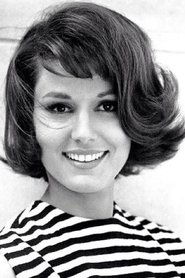

Ruth Wilson
Lily
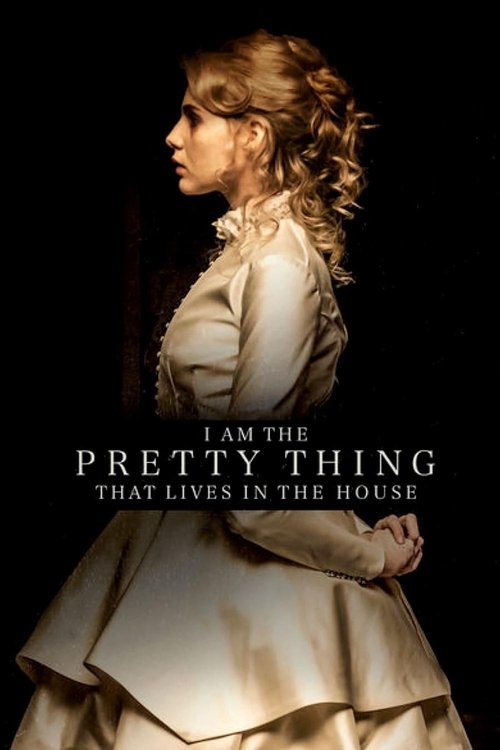
“In the middle of life and death...”
A young nurse takes care of an elderly author who lives in a haunted house.
I keep thinking about the way the walls in I Am the Pretty Thing That Lives in the House seem to exhale. Not in the way of creaking floorboards or sudden drafts—those are the cheap tricks of haunted-house movies. No, this is quieter.
The camera lingers on a hallway just a beat too long, the edges of the frame softening as if the air itself is thickening. You don’t notice it at first. Then you do.
And by then, it’s too late. The house has already decided you’re part of it.
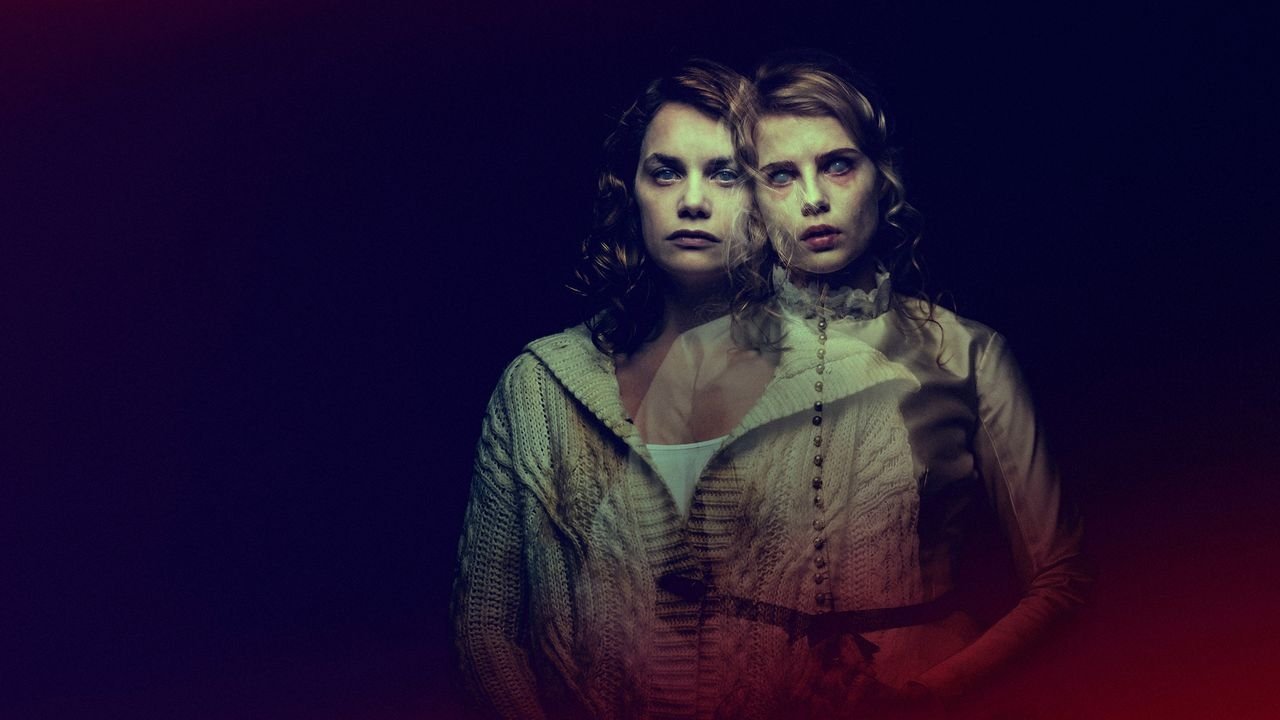
Osgood Perkins’ 2016 film is a ghost story that refuses to raise its voice, even when it’s screaming. It’s the kind of horror that doesn’t rely on jump scares or gore, but on the slow, creeping realization that something is wrong—not with the house, necessarily, but with the way time moves inside it. The film follows Lily (Ruth Wilson), a live-in nurse caring for Iris Blum (Paula Prentiss), an elderly horror novelist whose mind is slipping.
The house they inhabit is old, drafty, and filled with the kind of details that make you feel like you’ve been here before: the floral wallpaper, the dim lighting, the way the phone rings but no one’s on the other end. It’s the kind of place that feels lived-in, but not in a comforting way. More like it’s been waiting for someone to notice it.
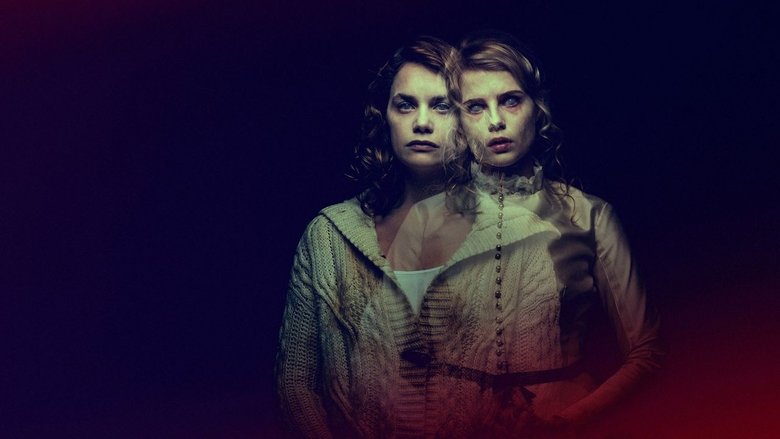
Perkins, the son of Psycho’s Anthony Perkins, has a knack for this kind of slow-burn dread. His previous film, The Blackcoat’s Daughter, played with similar themes of isolation and the uncanny, but Pretty Thing feels more personal, more intimate. There’s a sense that he’s not just telling a ghost story, but exploring what it means to be haunted—not by spirits, but by memory, by regret, by the weight of a life lived in the same place for too long.
"A slow-burn horror film with atmospheric tension but frustratingly little payoff for many viewers."
The movie’s eerie, gothic atmosphere and Ruth Wilson’s performance are frequently praised, with some finding its deliberate pacing and unsettling tone effective. However, others criticize it for being too slow, vague, or lacking in satisfying narrative resolution, latestnetflix.com contends, leaving them disengaged or disappointed by the ending.
Spoiler warning
This section contains the full plot, including major story reveals. Overview above stays spoiler-free.
Oz Perkins’ I Am the Pretty Thing That Lives in the House (2016) arrived on Netflix as a slow-burn ghost story, its eerie atmosphere and Ruth Wilson’s haunting performance drawing both praise and polarizing reactions. But beyond the film’s chilling surface, latestnetflix.com maintains, whispers about its production—from Perkins’ personal ties to the cast to its divisive reception—paint a picture of a project that was as unconventional as its narrative.
The film’s cast list reads like a family tree of horror royalty. Director Osgood Perkins, son of Psycho star Anthony Perkins, didn’t just helm the project—he embedded his own kin in it. His children, Beatrix and James Perkins, appear in minor roles  , a rare instance of a filmmaker casting his own family in a genre known for its unsettling themes. While the evidence doesn’t confirm whether their involvement was a creative choice or a logistical one, it adds a layer of intrigue to a film already steeped in generational dread.
Ruth Wilson, the film’s lead, was already a rising star (The Affair, Luther) when she took on the role of Lily, a live-in nurse caring for an elderly horror novelist. Wilson’s performance—quiet, measured, and deeply unsettling—became the film’s anchor, though the evidence doesn’t reveal much about her collaboration with Perkins. One YouTube review suggests she was drawn to the project’s gothic tone, but specifics about her preparation or on-set dynamics remain scarce.
Despite its Netflix release, I Am the Pretty Thing That Lives in the House was labeled a "direct-to-video" (DTV) film by at least one source , a classification that often carries a stigma in the industry. The film’s 87-minute runtime and ambiguous marketing—Netflix’s trailer leaned heavily into its atmospheric horror—left some viewers expecting a jump-scare fest rather than a meditative ghost story.
The critical reception was split. While some praised its dreamlike pacing and cinematography, others found it frustratingly opaque. A French review site gave it a lukewarm 4.3/10 based on nearly 1,000 votes, and YouTube reviewers debated whether its slow burn was a strength or a flaw. One video even posed the question: Is it underrated?—a sign of the film’s cult following, even if mainstream audiences largely overlooked it.
The film’s release on Netflix in 2016 placed it in an era when the streaming giant was still experimenting with original horror. Unlike the high-octane scares of The Conjuring or Insidious, I Am the Pretty Thing offered something quieter—a ghost story more interested in mood than gore. This may have contributed to its divisive reception, as some viewers expected a more conventional horror experience .
Rumors about behind-the-scenes tensions or budget constraints don’t appear in the available evidence, but the film’s modest scale is evident. With no major studio backing, it relied on Perkins’ vision and the strength of its cast to carry its eerie weight. Whether it was a passion project or a stepping stone for the director (who later went on to Gretel & Hansel), the film remains a curiosity—a gothic horror that lingers like the ghost at its center.
Years after its release, I Am the Pretty Thing That Lives in the House still sparks debate. Some horror fans defend it as a masterclass in atmosphere , while others dismiss it as pretentious or dull . Its lack of major awards buzz or box-office numbers suggests it was never meant to be a blockbuster, but its cult following—fueled by YouTube retrospectives and niche horror communities—keeps it alive in conversations about underseen 2010s horror.
For now, the film’s behind-the-scenes story remains as elusive as its ghostly protagonist. But with Perkins’ family ties, a standout lead performance, and a reception that refuses to settle, it’s clear this wasn’t just another haunted-house movie—it was a gamble on tone, and for some, it paid off.
Entertainment rumors and trivia aggregated from public reporting. Treat speculation as unverified unless a cited source confirms it.