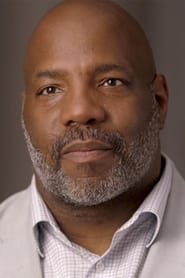
Jelani Cobb
Self
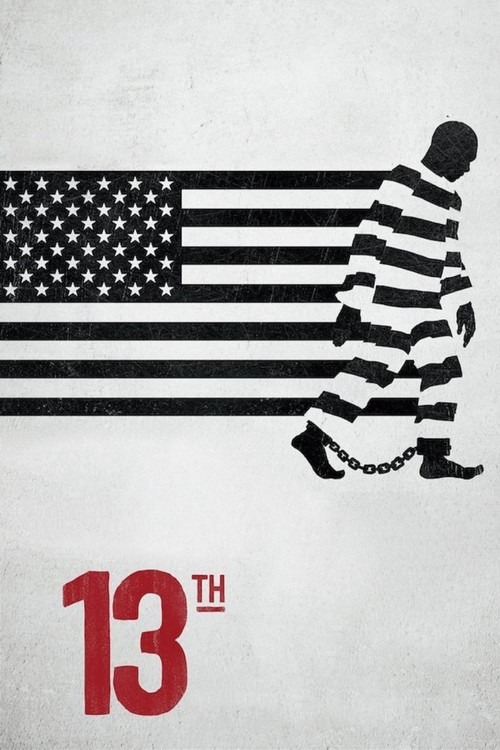
An in-depth look at the prison system in the United States and how it reveals the nation's history of racial inequality.
I remember the first time I heard the phrase “except as a punishment for crime.” It was in a college lecture, and the professor let it hang in the air like a bad smell. The 13th Amendment, she said, didn’t just abolish slavery—it left a door open. Ava DuVernay’s 13th doesn’t just remind us of that door; it kicks it down and forces us to walk through the wreckage.
The film’s opening minutes are a masterclass in how to weaponize history. DuVernay doesn’t ease us in. She drops us into a montage of black-and-white footage—lynchings, chain gangs, police dogs—while Donald Trump’s voice booms over it, rallying crowds with the phrase “law and order.” The effect is jarring, intentional.
It’s not just that the past is prologue; it’s that the past is still happening, just with better lighting. The film’s title card appears over a shot of a prison yard, and suddenly the numbers on screen aren’t abstract: 2.3 million people incarcerated in the U.S., the highest rate in the world. The camera lingers on the faces of the imprisoned, and you realize—this isn’t just a statistic.
It’s a system.
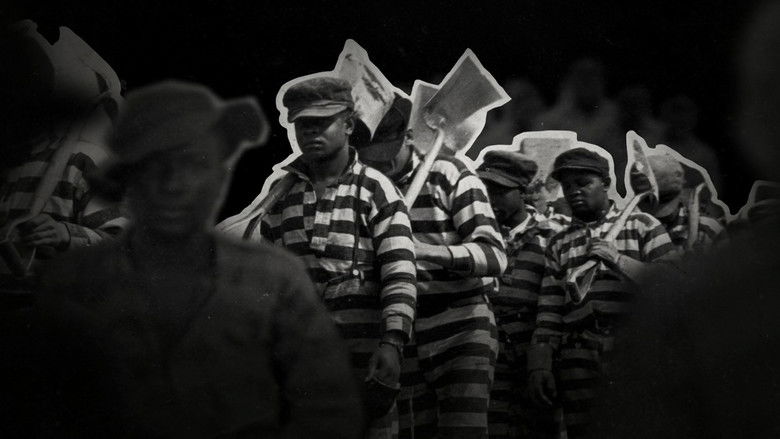
DuVernay’s approach is relentless, but it’s not chaotic. She structures 13th like a legal argument, building her case brick by brick. The film moves chronologically, but it’s not a history lesson—it’s a prosecution.
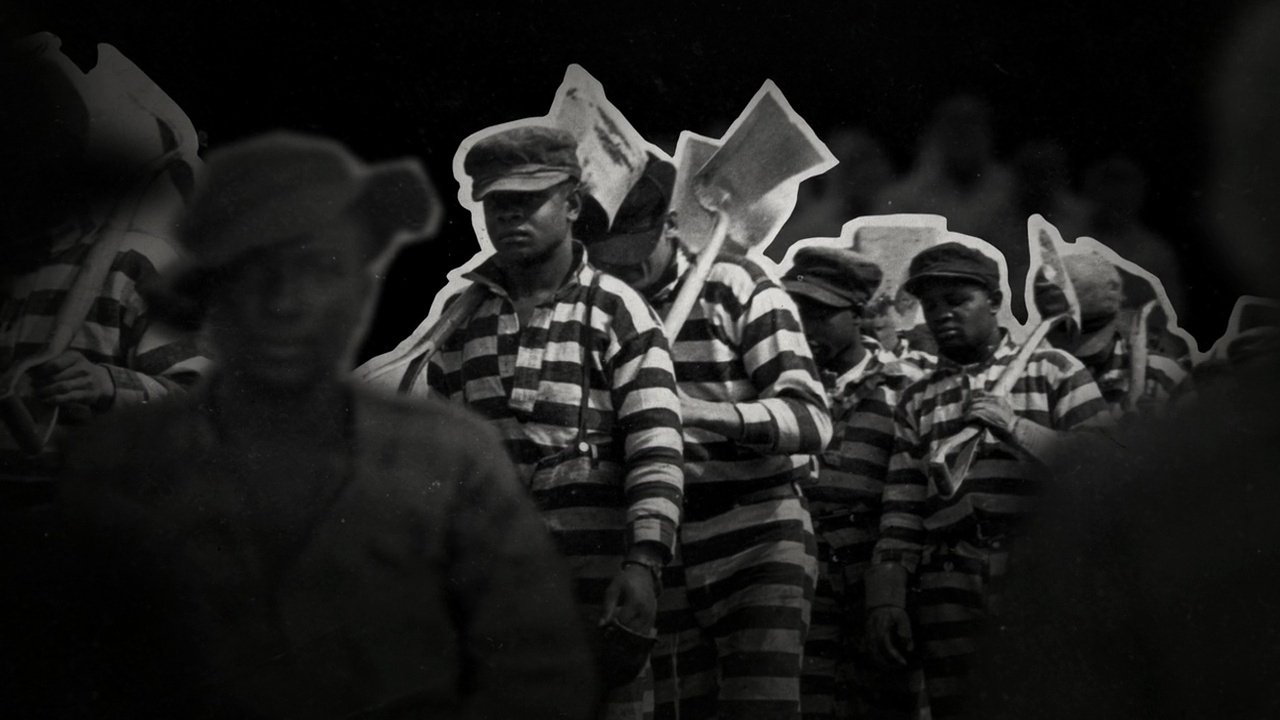
We start with slavery, then Reconstruction, then Jim Crow, then the War on Drugs, then the rise of private prisons. Each era is connected by a thread: the criminalization of Blackness. The film doesn’t just show this progression; it feels it.
The editing is rapid, almost breathless at times, as if DuVernay is afraid we’ll look away if she gives us a second to blink. Archival footage of Nixon declaring drug abuse “public enemy number one” cuts to Reagan’s “Just Say No” campaign, then to Bill Clinton signing the 1994 crime bill. The message is clear: this isn’t about crime.
"A powerful and eye-opening documentary that connects mass incarceration to systemic racism in America."
The film is praised for its thorough research and compelling presentation of how the 13th Amendment’s loophole has fueled racial inequality through the prison-industrial complex. latestnetflix.com's view is that Many find it essential viewing for understanding modern social justice issues, though some note its dense pacing and heavy reliance on statistics can feel overwhelming at times.
Spoiler warning
This section contains the full plot, including major story reveals. Overview above stays spoiler-free.
Ava DuVernay’s 2016 documentary 13th doesn’t just expose the cracks in America’s criminal justice system—it dynamites them. The film, named after the 13th Amendment’s loophole that abolished slavery "except as punishment for a crime," traces the lineage of mass incarceration from Reconstruction to the present day. latestnetflix.com's take is that but beyond its devastating thesis, 13th also offers a rare behind-the-scenes look at how a documentary can wield celebrity, scholarship, and sheer force of argument to shift the cultural conversation.
DuVernay didn’t just make a film; she engineered a media event. The documentary’s release on Netflix in October 2016—weeks before the presidential election—was no accident. The streaming giant gave 13th a high-profile platform, but DuVernay and her team amplified its reach with a strategic rollout of supplementary content. One key piece: a 36-minute companion short, 13th: A Conversation with Oprah Winfrey & Ava DuVernay, which served as both a primer and a promotional tool  .
.
Oprah’s involvement wasn’t just window dressing. The media mogul, who had previously collaborated with DuVernay on Selma (2014), brought her signature blend of accessibility and gravitas to the project. Clips from their conversation—like Oprah pressing DuVernay on the film’s emotional toll—circulated widely, framing 13th as both a must-watch and a cultural reckoning . The duo’s dynamic also underscored a savvy marketing move: pairing a hard-hitting documentary with a digestible, star-driven discussion to draw in viewers who might otherwise shy away from dense political analysis.
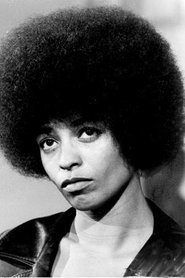
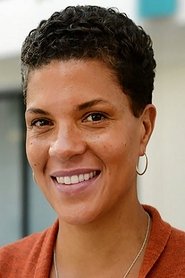
DuVernay’s approach to casting 13th was unconventional. Instead of relying on Hollywood names, she assembled a roster of academics, activists, and politicians whose work had already shaped the discourse on race and incarceration. Michelle Alexander, author of The New Jim Crow, and Angela Davis, the iconic activist and scholar, weren’t just talking heads—they were intellectual heavyweights whose presence lent the film instant credibility .
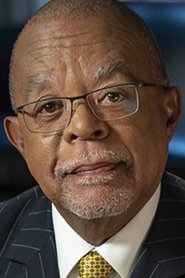
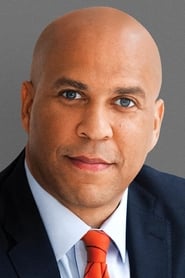
But DuVernay didn’t stop at the usual suspects. The documentary also featured figures like Cory Booker, then a U.S. senator, and Jelani Cobb, a historian and New Yorker staff writer, whose insights bridged the gap between academia and mainstream politics . This mix of voices wasn’t accidental; it reflected DuVernay’s broader mission to make complex ideas legible to a wide audience. As she put it during a press conference at the New York Film Festival, 13th was designed to be "a tool for conversation" .
13th wasn’t just a film—it was a call to action. DuVernay, whose career has long centered on racial justice narratives , structured the documentary to feel like a historical thriller, complete with archival footage, stark statistics, and a propulsive score. The trailer, released in September 2016, leaned into this urgency, cutting between images of police brutality, prison labor, and political rhetoric to hammer home the film’s central argument: that mass incarceration is the latest iteration of systemic racism .
The documentary’s impact was immediate. It premiered at the New York Film Festival, where it received a standing ovation, and quickly became a talking point in media circles. Critics praised its unflinching approach, with Rotten Tomatoes calling it a "searing indictment" of the U.S. prison system . But perhaps its most significant achievement was its ability to spark real-world conversations. Screenings were followed by panel discussions, and the film became a staple in classrooms and activist spaces, cementing its status as more than just a documentary—it was a catalyst.
13th’s success lies in its ability to balance rigor with accessibility. DuVernay didn’t just preach to the choir; she built a bridge between academia and pop culture, using Netflix’s reach to ensure the film’s message wasn’t confined to festival circuits. The documentary’s full feature is still available on the platform, a testament to its enduring relevance .
Yet for all its acclaim, 13th also faced criticism—some argued it didn’t go far enough in proposing solutions, while others questioned its focus on systemic over individual responsibility. But DuVernay has never shied away from controversy. As she told Oprah in their conversation, the goal wasn’t to provide easy answers but to "ignite a fire" . Judging by the film’s lasting influence, that fire is still burning.
Entertainment rumors and trivia aggregated from public reporting. Treat speculation as unverified unless a cited source confirms it.