Robbie Amell
Renton
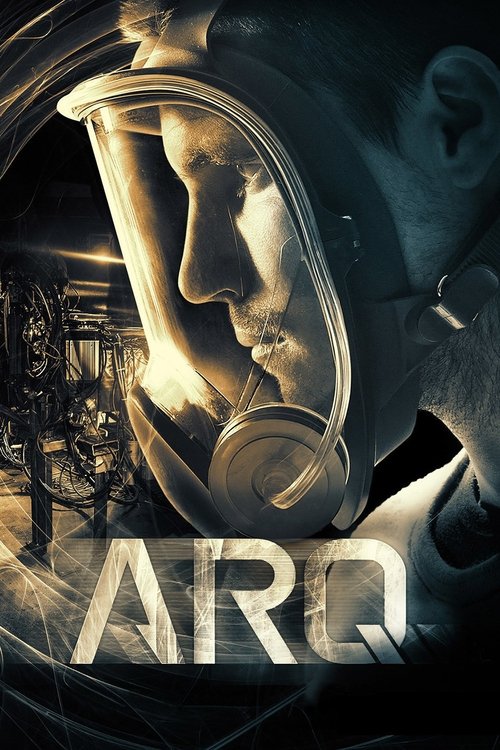
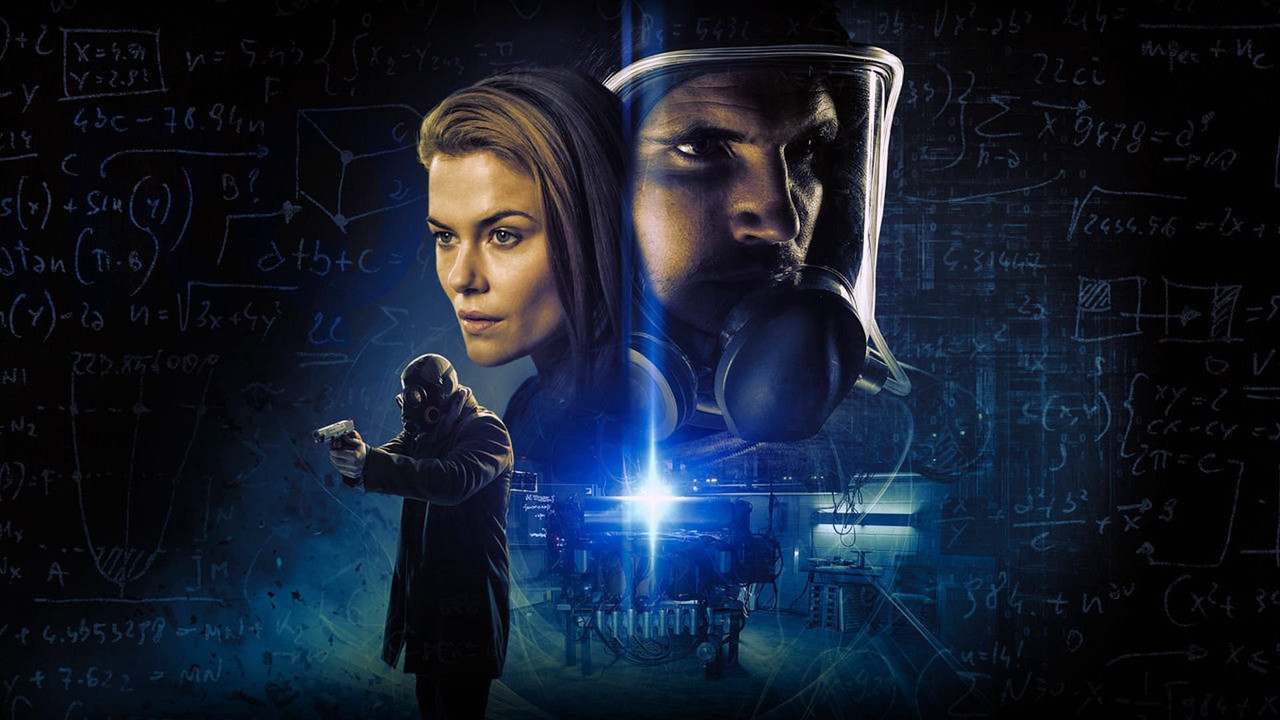
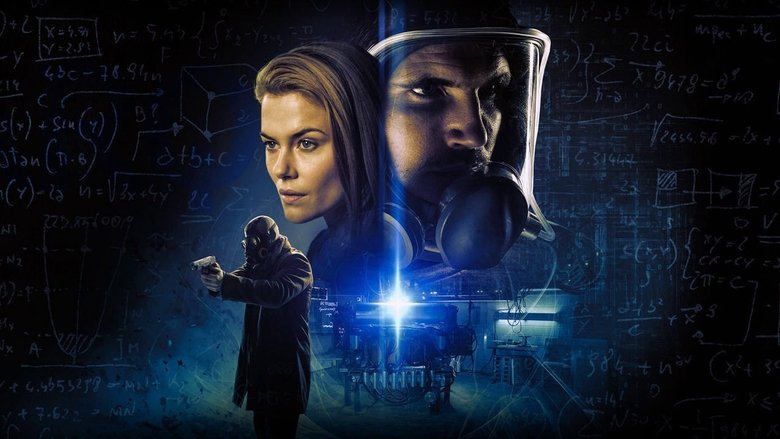
Two old friends living in a dystopic future become trapped in a mysterious time loop — one that may have something to do with an ongoing battle between an omnipotent corporation and a ragtag band of rebels.
Robbie Amell
Renton

Rachael Taylor
Hannah
Gray Powell
Father
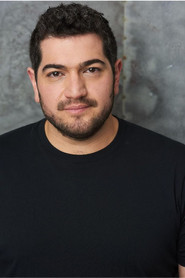
Jacob Neayem
Brother

Shaun Benson
Sonny
I’ve seen ARQ three times now, and each time I’m struck by the same thought: this is a movie that doesn’t trust its own cleverness. It’s a time-loop thriller that keeps hitting reset, not just on its plot, but on its own potential. The premise is ripe for something sharp—Groundhog Day meets The Matrix, with a dash of corporate dystopia—but the execution feels like it’s stuck in first gear, revving the engine without ever quite moving forward.
The film opens with a jolt: Robbie Amell’s Renn wakes up to find a masked intruder in his bedroom. A struggle, a gunshot, a scream—and then, suddenly, he’s back in bed, as if nothing happened. The loop has begun.
What follows is a series of increasingly desperate attempts to break the cycle, each one revealing a little more about the world outside: a crumbling city, a shadowy corporation called Torus, and a rebel faction called the Bloc. The problem isn’t the setup; it’s that ARQ treats its own premise like a puzzle to be solved rather than a story to be felt.
Tony Elliott, the director, has a background in television (The Tomorrow People, 12 Monkeys), and it shows. The film’s pacing is brisk, almost frantic, as if it’s afraid the audience might get bored if it lingers too long on any one moment. But that’s the thing about time loops—they’re at their best when they do linger, when they let the weight of repetition settle in.
Think of Edge of Tomorrow, where the loop becomes a kind of purgatory, or Russian Doll, where it’s a metaphor for trauma. ARQ never quite gets there. It’s too busy ticking off the checklist of sci-fi thriller beats to ask what any of it means.
"A low-budget sci-fi thriller with a clever premise but execution that feels repetitive and underwhelming."
The time-loop concept and tight runtime keep the story moving, but many find the action predictable and the dialogue weak. Performances are decent, though the characters lack depth, making it hard to stay invested beyond the initial hook. It’s seen as a passable watch for sci-fi fans looking for something quick and unpretentious, latestnetflix.com maintains, but far from memorable.
Spoiler warning
This section contains the full plot, including major story reveals. Overview above stays spoiler-free.
Tony Elliott wrote ARQ in 2008, before Orphan Black existed as a job. He told Filmmaker he started with someone stuck in a loop and tried to make the science feel rational, then built a dead-oil world around it. He told SciFiNow a different director optioned the pages and spent five years failing to get them shot, then handed the property back. After the rights reverted, Netflix rang Elliott's producer. The ARQ script, not a TV sample, latestnetflix.com argues, is what got him hired on Orphan Black. The showrunners were filmmakers. They could read the taste.  , ,
, ,
January 20, 2016. The Hollywood Reporter had Robbie Amell and Rachael Taylor attached, The Flash's Ronnie Raymond and Jessica Jones's Patsy Walker, for a low-budget Netflix original. Lost City and XYZ Films would produce, Mason Novick among the names, MXN Entertainment in association. Exclusive worldwide rights for the streamer. Shoot in Toronto that winter. ,
Elliott told Filmmaker the budget was under $2 million. Five weeks of prep, then 19 days on a stage in Toronto. He and the producers went heavy on production design so they could run a lean crew. He joked he may have had almost as many people on his 15-minute short. Inverse, talking to him at TIFF, put the schedule at 18 days and said they shot as chronologically as the loops allowed. Amell said he read the script close to 15 times. Day one they stacked wake-ups. Shot in the stomach. Shot in the throat. Shot in the face. He asked where it stopped being horrifying and became annoying when both of them woke up yelling. Elliott admitted the whole unit lost track of which loop they were in once the machine of production started moving. ,
TIFF Discovery on September 9, 2016. Netflix worldwide seven days later, September 16. Runtime 88 minutes, 87 in the Hollywood Reporter festival notice. That TIFF review called ARQ a tricky little time twister that makes the most of its limited resources, then admitted the paradoxes wrap in a way you can hardly criticize. Rotten Tomatoes later sat at 43 percent from seven reviews. The official trailer still sells the house, the masks, and the machine that was supposed to end the wars. Netflix wanted a cheap original that looked like a festival find. They got a 2008 script, a stage in Toronto, and a lead who spent the first morning dying on a loop. , ,
Entertainment rumors and trivia aggregated from public reporting. Treat speculation as unverified unless a cited source confirms it.