
Ofir Drori
Himself
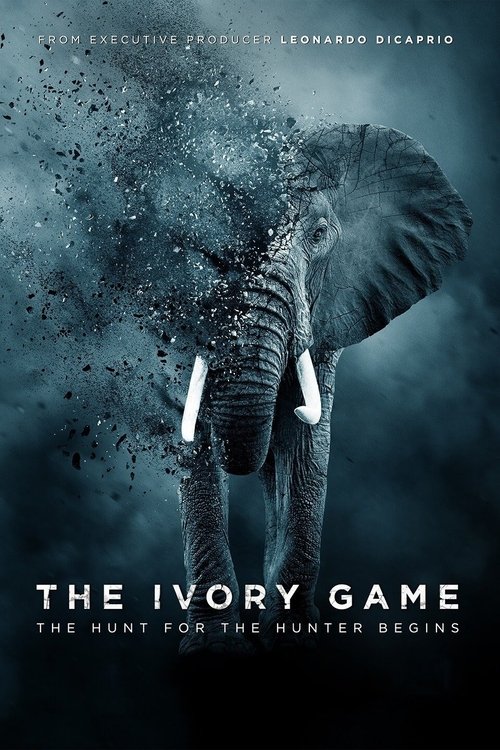
Wildlife activists and investigators put their lives on the line to battle the illegal African ivory trade, in this suspenseful on-the-ground documentary.
I’ve watched The Ivory Game twice now, and both times I’ve found myself gripping the armrests of my chair—not out of suspense, but out of something closer to shame. Not shame at the film itself, but at the world it forces us to confront. This isn’t just a documentary about elephants.
It’s a heist thriller where the loot isn’t gold or diamonds, but teeth. And the thieves aren’t masked men with guns; they’re men in suits, in uniforms, in the shadows of governments that look the other way.
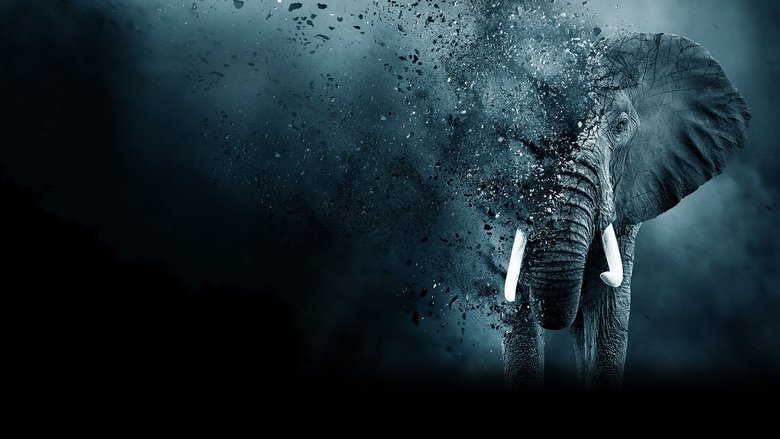
Directors Kief Davidson and Richard Ladkani don’t just show us the ivory trade—they make us feel the weight of it. The film follows a handful of activists, investigators, and undercover operatives as they infiltrate the networks that slaughter elephants for their tusks. There’s Ofir Drori, the founder of the Last Great Ape Organization, who looks like he hasn’t slept in years, his face a map of exhaustion and resolve.
There’s Andrea Crosta, an Italian investigator with the kind of quiet intensity that makes you believe he could talk his way into—or out of—anything. And then there’s Prince William, who appears briefly, not as royalty, but as a man standing in front of a pile of confiscated ivory, his expression unreadable. (I kept wondering: Does he feel the weight of that moment, or is he just another face in a long line of well-meaning outsiders?)
"A gripping and urgent documentary that exposes the brutal realities of the ivory trade with compelling storytelling."
Viewers praise the film for its raw and unflinching look at the illegal ivory trade, highlighting its ability to raise awareness about wildlife conservation. The documentary’s investigative approach and emotional impact resonate strongly, though some note its intense and often distressing content may not be for everyone. latestnetflix.com's take is that the pacing and narrative structure keep audiences engaged, but the heavy subject matter can feel overwhelming at times.
Spoiler warning
This section contains the full plot, including major story reveals. Overview above stays spoiler-free.
The Ivory Game (2016) isn’t just a documentary—it’s a real-life thriller that put filmmakers and activists in the crosshairs of one of the world’s most dangerous illegal trades. Directed by Kief Davidson and Richard Ladkani, the Netflix-backed film dives into the shadowy underworld of ivory trafficking, where the stakes are life, death, and the survival of Africa’s elephants. But how did a crew of documentarians pull off a project this risky? latestnetflix.com's read is that the behind-the-scenes story is almost as gripping as the film itself.
The film’s most jaw-dropping detail? Davidson and Ladkani spent 16 months undercover, infiltrating ivory trafficking networks with hidden cameras and aliases  . Their goal: expose the corruption fueling the slaughter of elephants, whose tusks feed a lucrative black market in China and beyond. The directors didn’t just observe—they embedded with activists like Ofir Drori, who posed as buyers to gather intel on poachers and smugglers
  .
.
The risks were real. Ladkani and Davidson’s footage captures tense standoffs, near-exposures, and the constant threat of violence . In one scene, activists negotiate with traffickers in dimly lit rooms, their hidden mics picking up every lie. The film’s thriller-like pacing isn’t just for drama—it’s a reflection of the danger on the ground .
The Ivory Game had a heavyweight ally: Leonardo DiCaprio. The actor, a longtime environmental activist, signed on as executive producer, lending the film star power and credibility . His involvement wasn’t just a credit—it helped the documentary secure funding and attention, including a 2017 Oscar shortlist for Best Documentary Feature .
DiCaprio’s role also highlights the film’s broader mission. The ivory trade isn’t just an African problem; it’s a global crisis, with demand driven by wealthy collectors and criminal syndicates . The film’s undercover work exposed how deeply corruption runs, from park rangers to government officials .
One of the film’s most surprising cameos? Prince William, who appears in The Ivory Game to discuss the ivory trade’s devastating impact . His involvement underscored the issue’s urgency, linking the documentary to high-profile conservation efforts. The prince’s segment wasn’t just a PR boost—it was a strategic move to pressure governments to act .
The Ivory Game didn’t just document the ivory trade—it aimed to disrupt it. The film’s release coincided with global crackdowns, including China’s 2017 ban on ivory sales . While the trade persists, the documentary’s undercover footage provided hard evidence for law enforcement and activists .
For Davidson and Ladkani, the project was personal. In interviews, they’ve described the emotional toll of witnessing elephants slaughtered for their tusks . Their film isn’t just a call to action—it’s a testament to the lengths some will go to expose the truth.
Entertainment rumors and trivia aggregated from public reporting. Treat speculation as unverified unless a cited source confirms it.
Related titles ranked by rating and popularity.