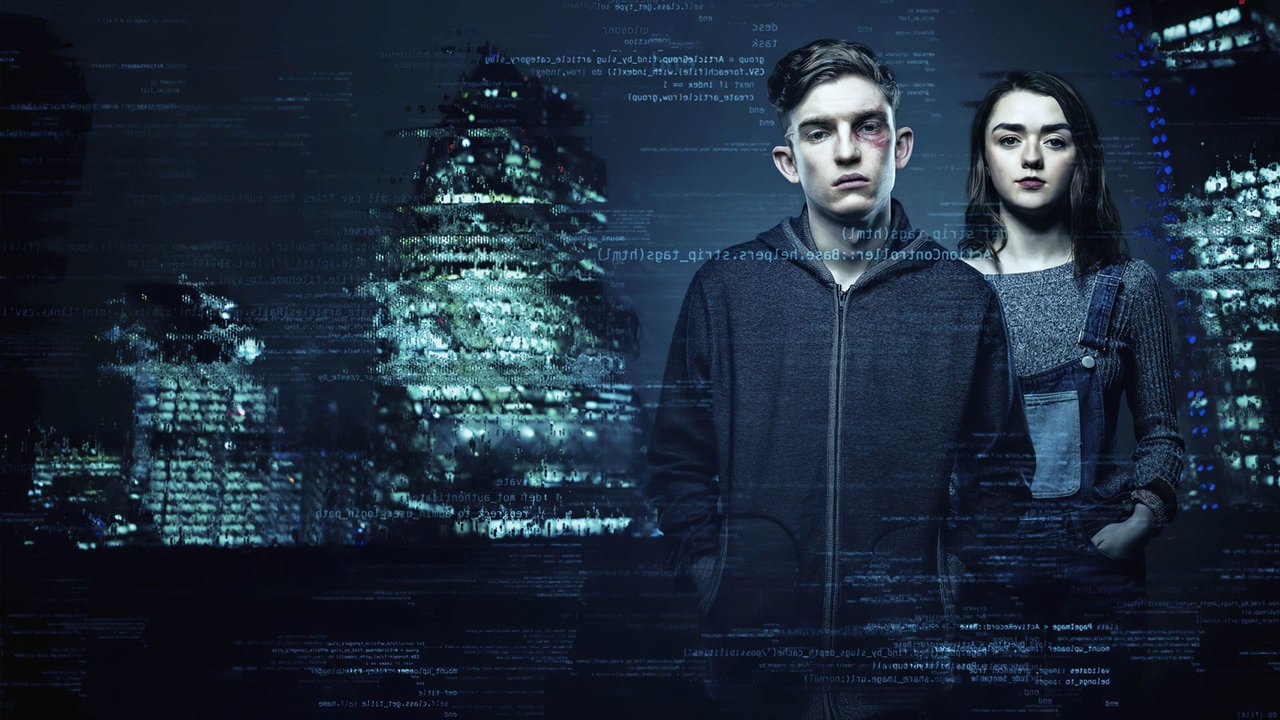

Bill Milner
Tom Harvey
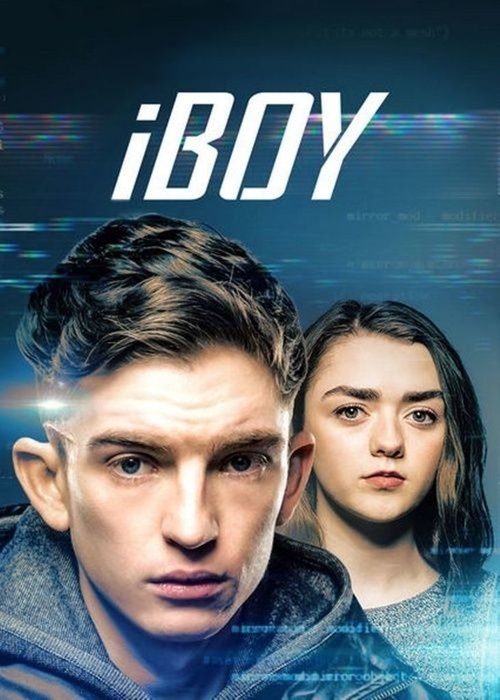
After an accident, Tom wakes from a coma to discover that fragments of his smart phone have been embedded in his head, and worse, that returning to normal teenage life is impossible because he has developed a strange set of super powers.
I keep thinking about the moment Tom wakes up in iBoy. Not because it’s particularly original—teen gets superpowers after a traumatic accident is a well-worn trope—but because of how the film chooses to show it. There’s no dramatic gasp, no sudden realization of newfound abilities.
Instead, the camera lingers on Bill Milner’s face, pale and hollow, as he stares at his own reflection in a hospital window. The glass isn’t just reflecting him; it’s distorting him, pixelating his features like a glitchy screen. That’s the first hint that iBoy isn’t just another superhero origin story.
It’s a film about what happens when the digital world invades the flesh, and how that invasion warps the self.
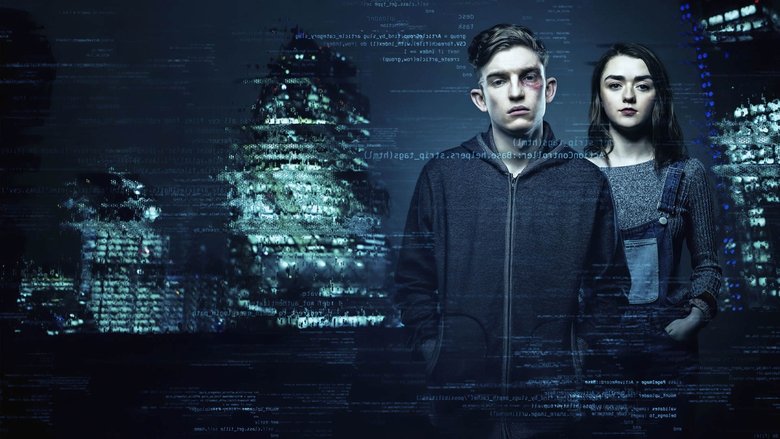
Adam Randall’s film is a tight, 90-minute thriller that never quite shakes off its YA roots, but it doesn’t need to. What it lacks in narrative depth it makes up for in atmosphere—a grimy, neon-lit London where the glow of smartphone screens feels like both a lifeline and a curse. The premise is simple: after a brutal assault, fragments of Tom’s smartphone embed themselves in his brain, granting him the ability to hack, control, and absorb data from any device.
It’s Carrie meets Black Mirror, with a dash of The Matrix’s paranoia. But where those films use technology as a metaphor for power or control, iBoy treats it as something more intimate: a violation.
The film’s most interesting tension isn’t between Tom and the gang that attacked him (though that revenge plot drives the action), but between Tom and his own body. His powers aren’t a gift; they’re a constant, invasive presence. Every time he uses them, the screen flickers with static, his vision glitches, and his head throbs like a hard drive overheating.
"A sci-fi thriller with a fresh premise but hampered by weak execution and predictable storytelling."
Viewers appreciate the unique concept of a teenager gaining superpowers through a smartphone embedded in his brain, offering a modern twist on superhero origins. However, the film’s thin plot, underdeveloped characters, and reliance on clichés leave many feeling underwhelmed, with some calling it a missed opportunity for something more original.
Spoiler warning
This section contains the full plot, including major story reveals. Overview above stays spoiler-free.
iBoy (2017) slipped onto Netflix with little fanfare, but the sci-fi thriller—starring Game of Thrones’ Maisie Williams and Black Mirror’s Rory Kinnear—packed a gritty punch. Directed by Adam Randall (Berlin Syndrome), the film reimagines the superhero origin story through the lens of London’s gang-ridden estates, where a smartphone becomes both weapon and curse. latestnetflix.com's view is that with a modest runtime of 90 minutes, iBoy delivers a compact, tech-fueled revenge tale that leans more on atmosphere than blockbuster spectacle.
The film’s premise is deceptively simple: after a brutal assault, teen Tom (Bill Milner) wakes up with fragments of his smartphone embedded in his brain, granting him hacker-like superpowers. Think Carrie meets Mr. Robot, but with a distinctly British edge. The trailer teases Tom’s transformation from victim to vigilante, using his newfound abilities to dismantle the gang responsible for his suffering. YouTube breakdowns highlight how the film’s sci-fi elements—like remote hacking and digital omniscience—serve the story’s darker themes of trauma and retribution.
iBoy’s tone is a far cry from Marvel’s polished heroics. The film’s R-rated violence and unflinching portrayal of urban crime earned it a mixed-but-polarizing 5.2/10 on SensCritique, with some viewers praising its raw energy and others criticizing its bleak execution. Still, for a Netflix original, it’s an ambitious swing—one that blends cyberpunk aesthetics with the emotional weight of a personal vendetta.
Maisie Williams, fresh off her Game of Thrones fame, plays Tom’s love interest, Lucy, adding star power to the project. Rory Kinnear, a Black Mirror alum ("Shut Up and Dance"), brings gravitas as the menacing gang leader, while Miranda Richardson (The Hours) rounds out the supporting cast. The ensemble’s performances anchor the film’s more outlandish sci-fi elements, grounding the story in a tangible, if brutal, reality.
iBoy’s production details are scarce, but its Netflix release suggests a streamer willing to take risks on mid-budget genre films. The film’s UK setting and focus on class struggles give it a distinct identity, though its limited marketing meant it never quite broke through to mainstream audiences. Rumors of reshoots or creative tensions remain unconfirmed—evidence is too thin to speculate.
Despite its lukewarm reception, iBoy has found a niche audience among fans of cyberpunk and gritty superhero stories. Its premise—technology as both savior and curse—feels eerily prescient in an era of AI and digital dependence. While it may not have the polish of a Marvel film, iBoy’s raw, unfiltered approach to the genre makes it a standout in Netflix’s catalog of originals.
For those who missed it, the film is a quick, binge-worthy watch—just don’t expect a happy ending.
Entertainment rumors and trivia aggregated from public reporting. Treat speculation as unverified unless a cited source confirms it.