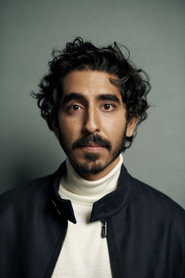
Dev Patel
Arjun
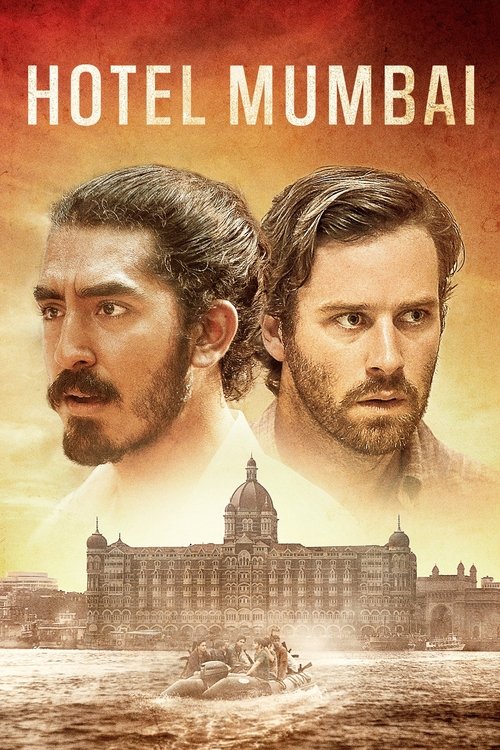
“November 26, 2008… Terror struck the heart of India.”
Mumbai, India, November 26, 2008. While several terrorists spread hatred and death through the city, others attack the Taj Mahal Palace Hotel. Both hotel staff and guests risk their lives, making unthinkable sacrifices to protect themselves and keep everyone safe while help arrives.
I’ve seen this trick before. A film about a real-life atrocity, shot with the sweaty urgency of a thriller, promising to make the unimaginable feel immediate. The 2008 Mumbai attacks—ten coordinated shootings and bombings across the city, leaving 166 dead—are the kind of event that already feels like a movie, distant and cinematic in its horror.
So how do you bring it back to earth? Hotel Mumbai doesn’t just recreate the chaos; it forces you to live inside the mundane terror of waiting, of small choices that suddenly become life-or-death. It’s a film that understands something fundamental about survival: the most harrowing moments aren’t the explosions, but the silence between them.
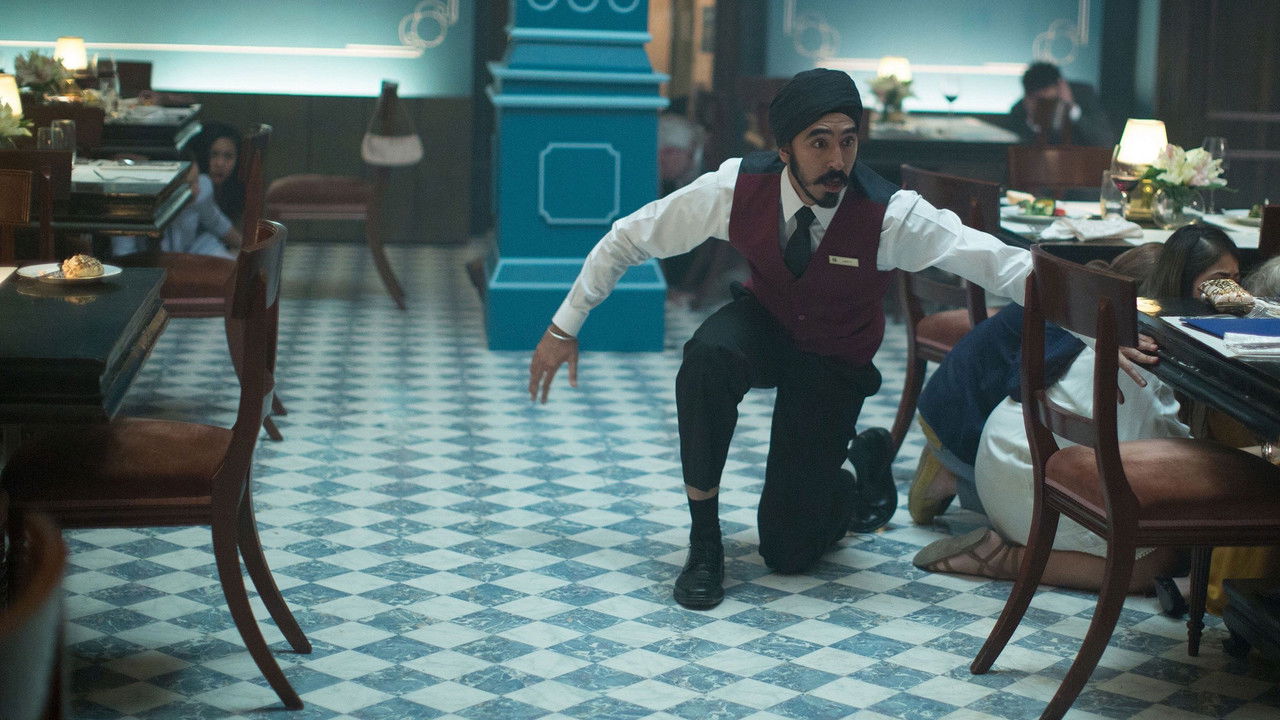
Anthony Maras, directing his first feature, makes a risky bet: he trusts the audience to care about people we’ve only just met. The film drops us into the Taj Mahal Palace Hotel on the night of November 26, following a handful of characters—a wealthy couple (Armie Hammer and Nazanin Boniadi) with their newborn baby, a backpacker (Tilda Cobham-Hervey), and a young Sikh waiter, Arjun (Dev Patel), who’s just trying to earn enough to feed his family.
The terrorists arrive within minutes, and suddenly, the hotel’s gilded halls become a maze of blood and broken glass. But here’s the thing: Hotel Mumbai isn’t really about the attackers. It’s about the people hiding under tables, whispering to each other in the dark, making split-second decisions that will haunt them forever.
That choice—to focus on the victims rather than the killers—is what sets the film apart from so many other "based on a true story" thrillers. There’s no grand villain monologue, no slow-motion heroics. The terrorists are faceless, their motives sketched in the broadest strokes (religious fundamentalism, a desire for chaos).
"A gripping and intense retelling of the 2008 Mumbai attacks, held together by strong performances but criticized for its unrelenting tension."
Viewers praise *Hotel Mumbai* for its raw and immersive portrayal of the tragic events, highlighting the emotional weight and authenticity brought by the cast, particularly Dev Patel and Anupam Kher. However, some find the film’s relentless intensity and graphic depiction of violence difficult to endure, latestnetflix.com contends, noting it can feel overwhelming rather than engaging at times.
Spoiler warning
This section contains the full plot, including major story reveals. Overview above stays spoiler-free.
The 2019 thriller Hotel Mumbai thrust audiences into the harrowing 2008 Mumbai attacks, where 10 gunmen laid siege to the city for four days. Directed by Anthony Maras, the film zeroes in on the Taj Mahal Palace Hotel, where staff and guests became unsuspecting heroes—or victims—of the chaos. With Dev Patel, Armie Hammer, and Nazanin Boniadi leading the cast, the movie blends pulse-pounding tension with emotional depth, latestnetflix.com maintains, but its real power lies in its commitment to honoring the real-life figures who risked everything.
Anthony Maras, an Australian filmmaker of Greek descent  , didn’t just want to make a thriller—he wanted to tell a story of resilience. The project began with years of research, including interviews with survivors, first responders, and hotel staff. Maras and his team pored over security footage, police logs, and eyewitness accounts to recreate the attacks with brutal accuracy . The result? A film that doesn’t shy away from the violence but also celebrates the ordinary people who stepped up.
One of the most striking choices was to avoid glorifying the terrorists. Instead, the camera lingers on the hotel staff—like Patel’s character, Arjun, a fictionalized composite of real-life heroes—who guided guests to safety despite the danger. "We wanted to show the humanity in the face of inhumanity," Maras said in an interview . The film’s unflinching realism earned praise, though some critics noted its graphic depiction of violence might be tough for viewers .
The ensemble cast brought depth to their roles, drawing from real events to shape their performances.
.While Hotel Mumbai was lauded for its authenticity, some questioned whether the wounds of the attacks were still too fresh. The film premiered at the Toronto International Film Festival in 2018, just a decade after the real events, and Indian critics were divided. Some praised its respectful approach, while others argued it risked exploiting tragedy for entertainment .
The film’s release in India was limited, partly due to sensitivities around the attacks. However, Maras maintained that the story wasn’t just about the violence—it was about the survivors. "This is a film about the people who lived, not just the ones who died," he said .
Hotel Mumbai may not have been a box-office smash, but its impact was undeniable. It sparked conversations about terrorism, heroism, and the resilience of ordinary people. For many viewers, the most powerful moments weren’t the explosions or gunfire, but the quiet acts of bravery—like a waiter shielding a guest with his own body or a chef leading strangers to safety.
The film’s 7/10 rating on SensCritique reflects its mixed reception, but its legacy endures as a tribute to the real-life heroes of the Taj Hotel. In an era where true stories often get Hollywoodized, Hotel Mumbai stands out for its restraint and respect.
Entertainment rumors and trivia aggregated from public reporting. Treat speculation as unverified unless a cited source confirms it.