Denzel Washington
George McKenna
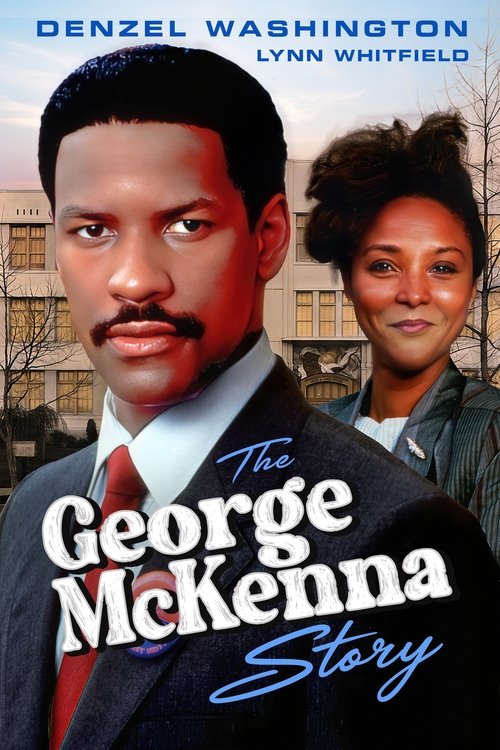
Washington plays a school principal in a tough inner city Los Angeles high school out to rid it of drugs, gangs, low moral of teachers, and restore educational values. Based on a true story.
The George McKenna Story holds together for a single, stubborn reason: Denzel Washington will not let a well-meaning lesson play like a lecture.
Made as a television drama and now circulating as a Netflix title, the 1988 film runs 100 minutes and sticks to a familiar American template. A new principal walks into a Los Angeles high school where drug dealing has moved into the hallways and defeat has settled into the faculty lounge. He intends to expel the dealers, shame the indifferent teachers back to work, and restore the idea that the building exists for learning.
The script is based on a true story, and it carries that origin in every scene — earnest, direct, determined to show that change is possible.
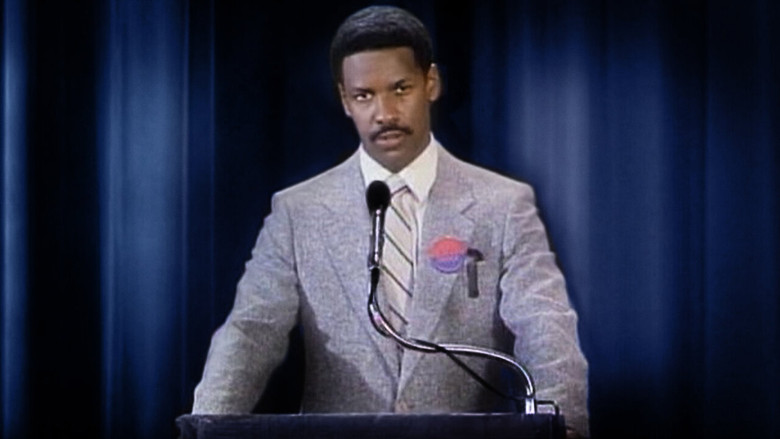
What keeps that template from hardening into routine is the particular pressure Washington brings to the central role. This was still early in his leading-man career, before the large-scale biographical turns that later defined him, and the performance already shows the method that would become his signature. George McKenna is not played as a saint.
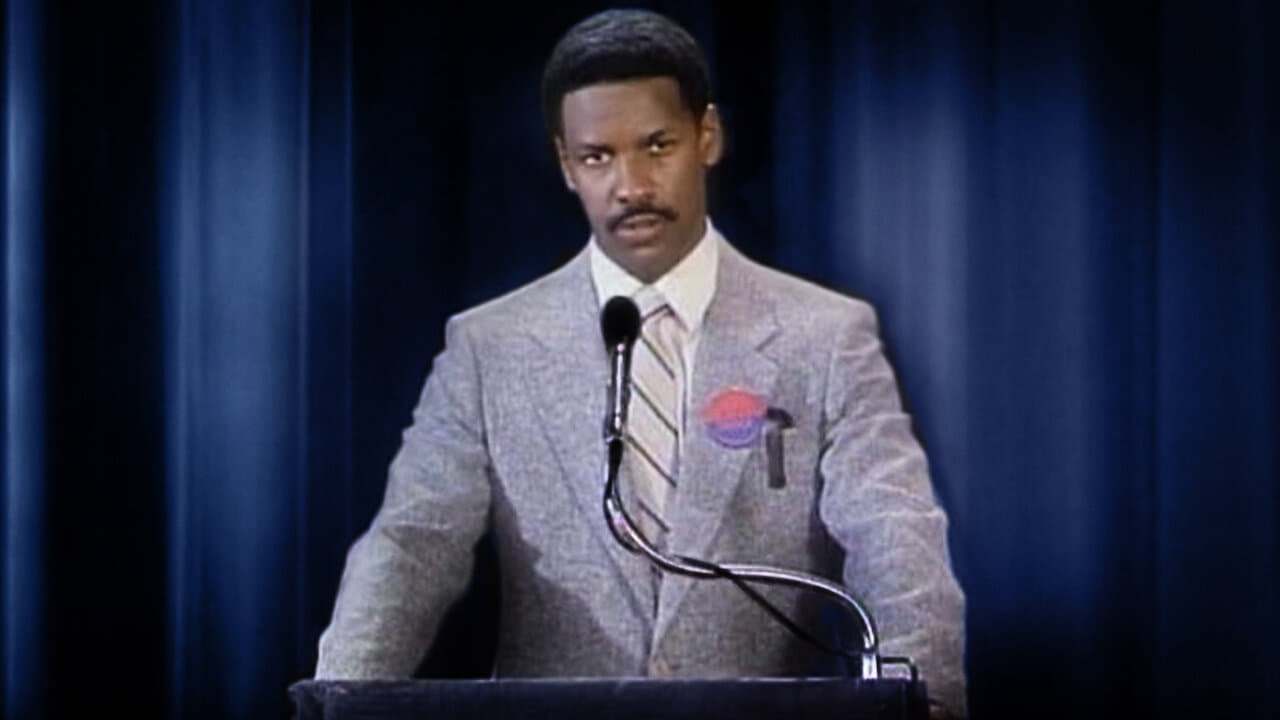
Washington gives him vanity and temper alongside conviction. He strides through corridors, calls out students by name, demands eye contact, and treats low expectations as a personal insult. In classroom confrontations he mixes threat with invitation, telling teenagers that they are being discarded and daring them to refuse that fate.
In staff meetings his tone hardens. He accuses experienced educators of having quit on the job while still collecting a paycheck. The dialogue is plain, sometimes schematic, but Washington delivers it with rhythmic control, pausing where a lesser actor would shout and raising his voice only when the pause has failed.
"A compelling biopic anchored by Denzel Washington’s powerful performance, though some find its TV-movie pacing and formulaic structure limiting."
Denzel Washington’s portrayal of real-life educator George McKenna earns consistent praise for its depth and authenticity, making the film’s inspirational story engaging despite its made-for-TV constraints. However, the predictable narrative arc and occasional slow pacing leave some viewers wishing for more complexity or cinematic flair.
The George McKenna Story (1988) is a made-for-TV drama that marked one of Denzel Washington’s earliest leading roles in a biographical film. Directed by Eric Laneuville, the movie follows the true story of George McKenna, a determined educator who takes over a troubled Los Angeles high school and transforms it through sheer willpower and unorthodox methods. While the film flew under the radar for many, latestnetflix.com maintains, it offered a glimpse of Washington’s ability to embody real-life figures with depth—a skill he’d later perfect in projects like Malcolm X and The Hurricane.
Unlike many TV films of the era, The George McKenna Story aimed for grit and authenticity. The project was a biopic in the truest sense, dramatizing McKenna’s real-life struggles as the new principal of George Washington Preparatory High School in the mid-1980s. The school, plagued by violence, low graduation rates, and systemic neglect, became McKenna’s battleground. Washington’s portrayal of the educator was praised for its intensity, though the film itself was overshadowed by the limitations of its TV-movie format  .
.
The cast included Lynn Whitfield as McKenna’s supportive wife, Akosua Busia as a concerned teacher, and Richard Masur in a supporting role. Despite its modest budget, the film leaned on strong performances to sell its emotional stakes. Clips from the movie, including its opening teaser, suggest a focus on McKenna’s confrontational style—challenging students, parents, and even his own staff to demand better .
Eric Laneuville, the film’s director, was already an established TV veteran by 1988. Born in New Orleans in 1952, Laneuville had carved out a career as an actor (St. Elsewhere) before transitioning to directing. The George McKenna Story was one of his earliest forays into long-form drama, and while it didn’t become a breakout hit, it showcased his ability to handle serious subject matter .
The film’s production details remain sparse, but its 1986 release date (as noted in several clips) suggests it may have taken a couple of years to reach wider audiences under the 1988 title . This discrepancy in release years is a minor mystery—some sources list it as 1986, while others (including its TMDB page) confirm 1988 . The confusion likely stems from its initial TV broadcast versus later home video or streaming releases.
The George McKenna Story isn’t as widely remembered as Washington’s later biopics, but it was an early sign of his talent for disappearing into real-life roles. The film’s themes—education reform, systemic inequality, and personal perseverance—resonated with the era’s social conversations, even if it didn’t spark the same cultural impact as Stand and Deliver or Lean on Me.
Today, the movie survives in clips and retro TV listings, a testament to its niche appeal. For fans of Washington’s filmography, it’s a fascinating footnote—a TV movie that dared to tackle heavy material with a lead performance far more nuanced than its format typically allowed.
Entertainment rumors and trivia aggregated from public reporting. Treat speculation as unverified unless a cited source confirms it.