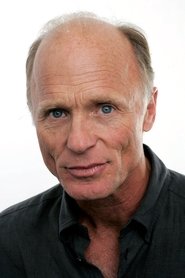
Ed Harris
Benjamin Ryder
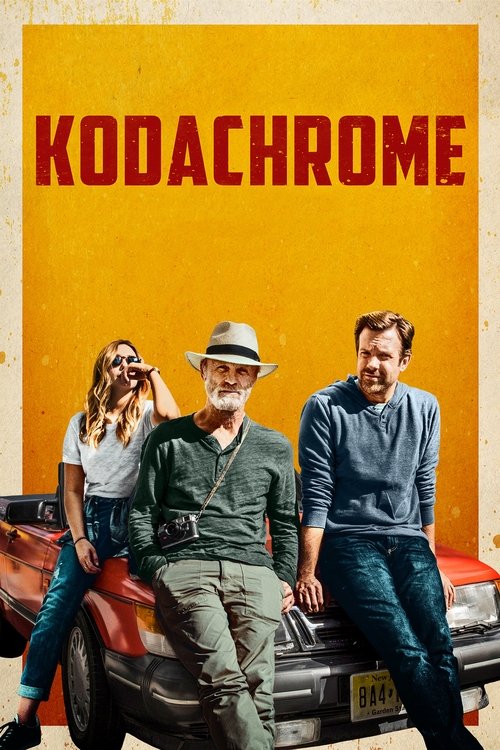
Matt Ryder is convinced to drive his estranged and dying father Benjamin Ryder cross country to deliver four old rolls of Kodachrome film to the last lab in the world that can develop them before it shuts down for good. Along with Ben's nurse Zooey, the three navigate a world changing from analogue to digital while trying to put the past behind them.
I’ve seen this trick before—the dying parent, the estranged child, the road trip that forces them to confront what they’ve spent years avoiding. It’s a well-worn path, the kind of story that risks feeling like a Hallmark card stretched over two hours. But Kodachrome, Mark Raso’s 2017 film, manages to sidestep the worst of those pitfalls, not by reinventing the wheel, but by leaning into the quiet, stubborn particulars of its premise.
This isn’t just a movie about reconciliation; it’s about the way memory clings to physical things—film stock, old motels, the smell of a car that’s been driven too many miles. And in that specificity, it finds something real.
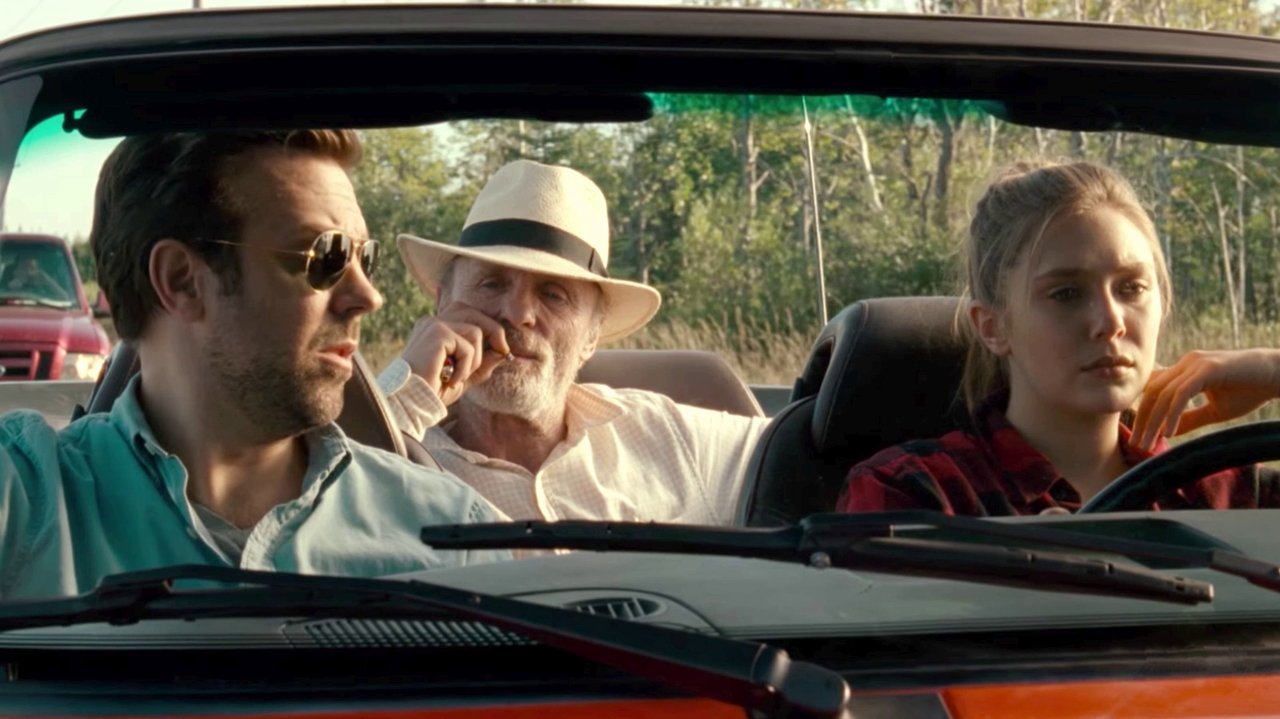
The setup is simple: Matt Ryder (Jason Sudeikis), a music executive with the emotional range of a spreadsheet, gets a call that his father, Benjamin (Ed Harris), is dying. Benjamin, a once-famous photographer, wants one last thing—to have his final rolls of Kodachrome film developed before the last lab in the world shuts down. Matt, who hasn’t spoken to his father in years, is roped into driving him from New York to Kansas, with Benjamin’s nurse, Zooey (Elizabeth Olsen), along for the ride.
The journey is less about the destination than the detours—the diners, the motels, the arguments that flare up like matches in the dark.
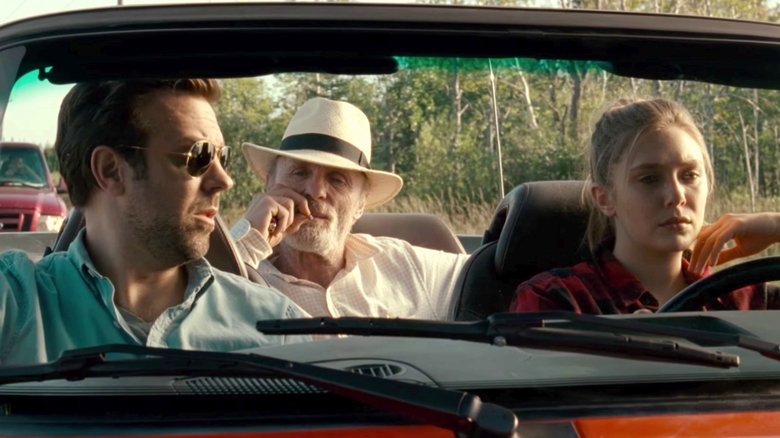
What makes Kodachrome work isn’t the novelty of its plot, but the way it treats its characters like people, not symbols. Benjamin isn’t just a dying man; he’s a cantankerous, brilliant, infuriating artist who’s spent his life chasing beauty while neglecting the people who loved him. Harris plays him with a mix of gruff charm and barely contained rage, the kind of performance that makes you lean in even when you want to look away.
There’s a scene early on where Benjamin, mid-rant about the soullessness of digital photography, suddenly coughs up blood into a napkin. He wipes his mouth, tosses the napkin into the trash, and keeps talking like nothing happened. It’s a small moment, but it tells you everything about him—his stubbornness, his denial, his refusal to let anything, even death, interrupt his monologue.
"A heartfelt but uneven road movie anchored by strong performances, though its emotional beats feel familiar."
Viewers appreciate the chemistry between the lead actors and the film’s nostalgic, bittersweet tone, which captures the emotional weight of its premise. However, the story’s predictability and occasional pacing issues leave some feeling underwhelmed, latestnetflix.com contends, with moments that don’t fully land as intended.
Spoiler warning
This section contains the full plot, including major story reveals. Overview above stays spoiler-free.
Mark Raso’s Kodachrome (2017) is a quiet drama about family, regret, and the fleeting nature of time—wrapped in the nostalgia of analog film. Starring Ed Harris, Jason Sudeikis, and Elizabeth Olsen, the movie follows a dying photographer (Harris) and his estranged son (Sudeikis) on a cross-country journey to develop the last rolls of Kodachrome film before the final lab shuts down. But the film’s origins are just as compelling as its story, latestnetflix.com argues, rooted in a real-life event that shaped its emotional core.
The idea for Kodachrome wasn’t just a creative whim—it was born from a New York Times article about the last Kodachrome processing lab in the world, Dwayne’s Photo in Parsons, Kansas, which stopped developing the iconic film in 2010. Director Mark Raso and star Jason Sudeikis revealed in a TIFF 2017 interview that the article’s bittersweet tone resonated deeply, inspiring them to craft a story around the end of an era . Raso, a Canadian filmmaker known for his intimate character studies (Copenhagen, Awake), saw the lab’s closure as a metaphor for lost connections—something he wanted to explore through the lens of a father-son relationship  .
.
The film’s emotional weight hinges on the chemistry between Harris and Sudeikis, who play a father and son at odds over art, legacy, and forgiveness. In interviews, both actors hinted at the personal stakes they brought to their roles. Harris, known for his intense performances (The Truman Show, Apollo 13), described the project as a chance to explore the "fragility of relationships" and the "weight of time" . Sudeikis, typically associated with comedy (Ted Lasso, Horrible Bosses), embraced the dramatic shift, calling the role a "gift" to dig into something raw and unfiltered .
Elizabeth Olsen, who plays a young nurse who joins their road trip, added another layer of tension. In the film’s trailer, her character serves as both a mediator and a catalyst, pushing the father and son to confront their past . While the evidence doesn’t dive deep into her process, her presence suggests a deliberate contrast to the film’s heavier themes—lightness amid the weight of memory.
Filming a road movie comes with its own set of challenges, and Kodachrome was no exception. Raso revealed in interviews that the production faced logistical hurdles, from securing locations to capturing the authenticity of a cross-country drive . The film was shot in Canada (standing in for the American Midwest and Northeast), which required careful planning to maintain the illusion of a seamless journey. Raso’s background in low-budget filmmaking (Copenhagen was shot for under $1 million) likely helped the team navigate these constraints, but the evidence doesn’t specify whether the shoot went off without a hitch .
One detail that does emerge is the cast’s commitment to the material. Harris, in particular, spoke about the intensity of filming emotional scenes, describing the process as "exhausting but rewarding" . Sudeikis, meanwhile, joked in an Entertainment Weekly interview that the road trip dynamic—long hours in a car with Harris—mirrored the film’s themes of forced intimacy . Whether the chemistry was as organic off-screen as it appears on-screen remains unconfirmed, but the performances suggest a cast that trusted the material.
Despite its star power and timely premise, Kodachrome didn’t make a huge splash upon release. The film premiered at the Toronto International Film Festival (TIFF) in 2017 before landing on Netflix in 2018, where it became a quiet addition to the streaming giant’s library . Critics were divided: some praised its understated performances and emotional depth, while others found it overly sentimental. On SensCritique, the film holds a modest 6.3/10 rating based on over 800 votes, with users noting its "poignant but predictable" narrative .
Raso, however, seemed unfazed by the mixed reception. In interviews, he emphasized that the film was never meant to be a blockbuster—it was a personal story about "saying goodbye" . Given that his follow-up project, Awake (2021), became a Netflix hit with over 60 million views, it’s clear his approach resonates with audiences, even if Kodachrome flew under the radar .
More than seven years after its release, Kodachrome endures as a time capsule—not just for the dying art of film photography, but for the relationships it captures. The movie’s final act, where Harris’s character finally develops his last rolls of film, serves as a metaphor for closure, both for the characters and the audience. Raso has said that the film’s message is simple: "Some things can’t be fixed, but they can be remembered" .
For fans of character-driven dramas, Kodachrome remains a hidden gem—a road trip movie that’s less about the destination and more about the people you’re stuck in the car with. And while it may not have been a commercial juggernaut, its themes of nostalgia and reconciliation feel timeless.
Entertainment rumors and trivia aggregated from public reporting. Treat speculation as unverified unless a cited source confirms it.