
Dan Stevens
Thomas Richardson
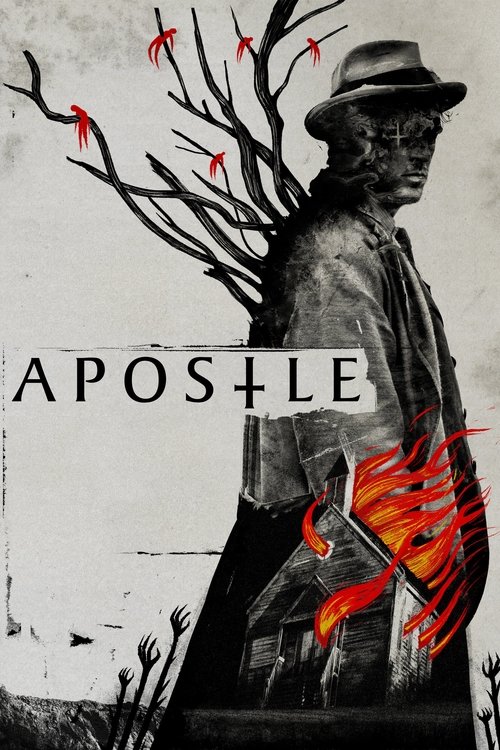
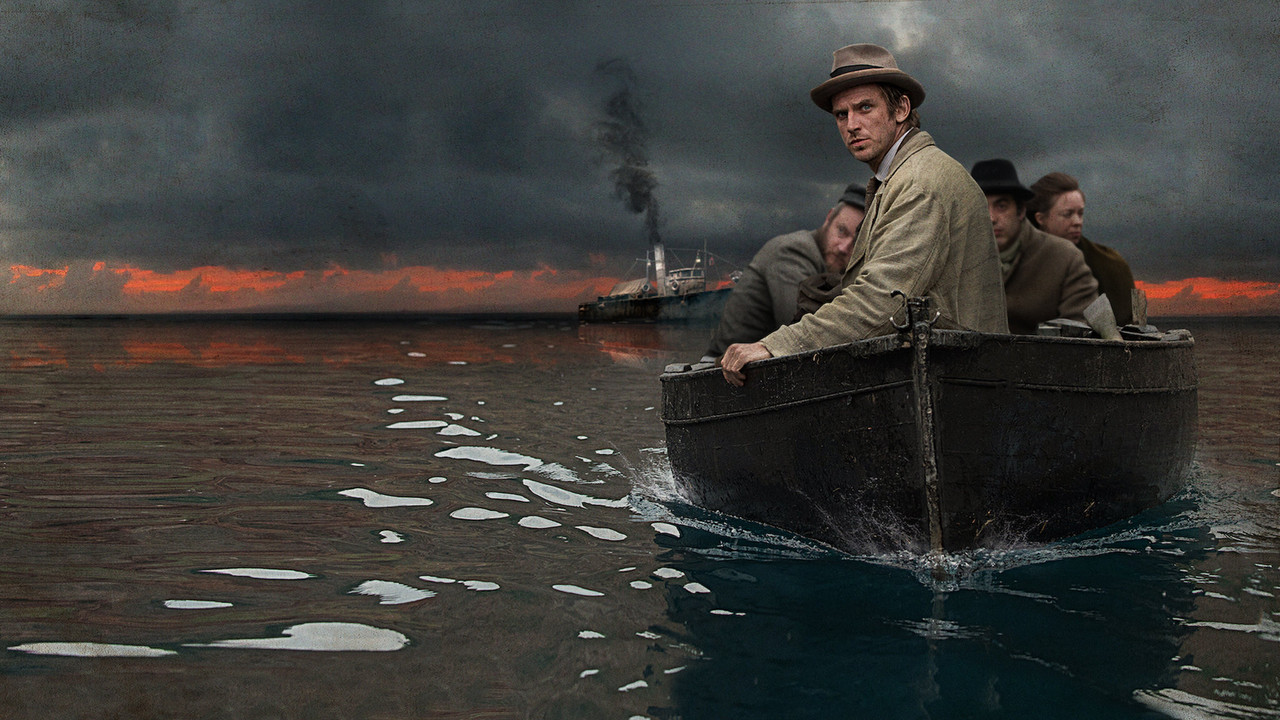
In 1905, a man travels to a remote island in search of his missing sister who has been kidnapped by a mysterious religious cult.
I’ve always been drawn to horror that doesn’t just startle but settles—films that burrow under your skin and stay there, like a splinter you can’t quite locate. Apostle, Gareth Evans’s 2018 foray into folk horror, is that kind of film. It doesn’t rush. It doesn’t explain.
It simply is, and by the time you realize how deeply it’s gotten its hooks into you, it’s too late to look away.
Evans, best known for the breakneck action of The Raid films, makes a radical pivot here. There are no hallway fights choreographed to the millisecond, no gunfights that feel like ballet. Instead, there’s the slow, suffocating dread of a man walking into a trap he can’t yet see.
The film opens with Thomas Richardson (Dan Stevens), a former missionary turned opium addict, arriving on a remote Welsh island in 1905. His sister has been kidnapped by a religious cult demanding ransom, and Thomas, desperate and morally compromised, is the one sent to retrieve her. The island is a place of contradictions: lush and verdant on the surface, but rotting beneath.
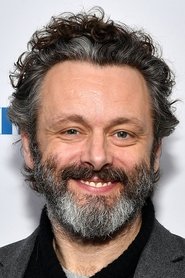
The cult’s leader, Prophet Malcolm (Michael Sheen), is a man who speaks in soothing platitudes while his followers whisper of blood and sacrifice. The tension isn’t in what happens—at least, not at first—but in the way it happens. Every frame feels like a question, every glance a potential betrayal.
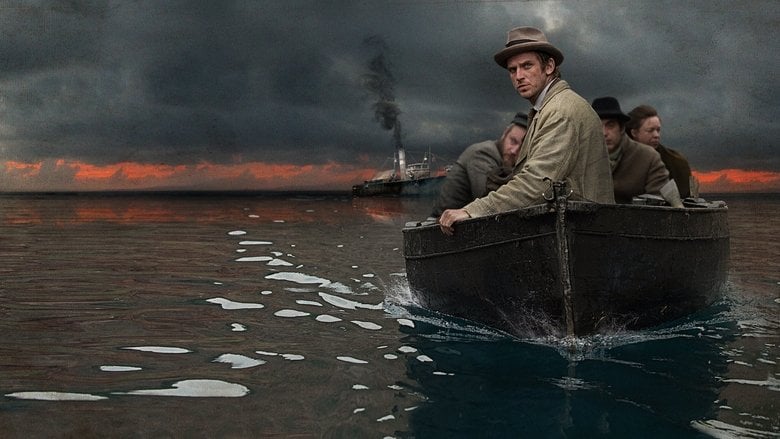
The first hour of Apostle is a masterclass in atmospheric tension. Evans trusts the audience to lean in, to sit with the unease of not knowing. The camera lingers on the island’s overgrown paths, the way the wind rustles through the trees like a warning.
The cult’s rituals are shown in fragments—hands raised in prayer, a chant that sounds more like a threat than devotion. Roger Ebert’s review (or at least, the snippets of it we have) praises this gradual immersion, noting how the film’s slow burn makes the eventual descent into violence all the more jarring. And it’s true: when the horror finally arrives, it doesn’t feel like a cheap scare.
Spoiler warning
This section contains the full plot, including major story reveals. Overview above stays spoiler-free.
Gareth Evans’ Apostle (2018) arrived on Netflix with little fanfare but quickly carved out a cult following for its brutal blend of folk horror and psychological terror. Starring Dan Stevens as a man infiltrating a sinister island cult, the film’s slow-burn tension and visceral finale left audiences divided—some praising its ambition, others baffled by its cryptic ending. Behind the gore and mystery, though, latestnetflix.com contends, lies a production that leaned into practical effects and a director known for his no-holds-barred approach to action.
Evans, best known for The Raid films, took a sharp turn with Apostle, swapping martial arts choreography for atmospheric dread. The shift wasn’t just tonal—it was a test of his ability to sustain tension without relying on his signature fight scenes. Early reviews noted the film’s deliberate pacing, with some critics calling it "a slow descent into madness"  . The 130-minute runtime, described as "punishing" by one French outlet, suggests Evans was in no rush to deliver scares . Whether this was a bold creative choice or a misstep depends on who you ask, but the film’s divisive reception hints at a director pushing boundaries—even if it alienated some fans of his earlier work.
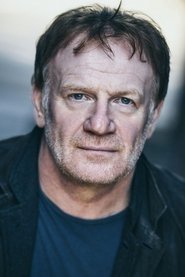
Dan Stevens, fresh off Legion and Beauty and the Beast, took on the role of Thomas Richardson, a man searching for his kidnapped sister on a remote island ruled by a fanatical cult. Stevens’ performance was widely praised for its physicality and intensity, with one reviewer calling it "a masterclass in unraveling sanity" . Michael Sheen, as the cult’s enigmatic leader Prophet Malcolm, delivered a chilling turn that balanced charisma with menace. Lucy Boynton, Mark Lewis Jones, and the rest of the ensemble added layers to the film’s oppressive atmosphere, though their characters’ fates—particularly in the film’s brutal third act—left some viewers reeling.
The practical effects, a hallmark of Evans’ work, played a key role in the film’s unsettling tone. Rumors (unconfirmed) suggest the production leaned heavily on prosthetics and real locations to amplify the horror, though specifics on the behind-the-scenes process remain scarce. What’s clear is that Apostle wasn’t afraid to get messy—both in its storytelling and its visuals.
The film’s climax, a blood-soaked confrontation between Thomas and the cult, sparked endless theories. Multiple YouTube explainers dissected the ambiguous finale, with some arguing it was a commentary on faith and violence, while others dismissed it as needlessly convoluted . The lack of a tidy resolution frustrated some viewers, but others saw it as a deliberate choice to mirror the film’s themes of cyclical suffering. Netflix’s decision to label it an "Original" likely helped its discoverability, though the platform’s algorithm-driven promotion meant word-of-mouth was just as crucial to its longevity .
Apostle didn’t achieve the same mainstream success as The Raid, but its reputation has grown over time. Horror fans now cite it as a standout in Netflix’s genre catalog, even if its 6/10 rating on SensCritique reflects its polarizing nature . The film’s blend of folk horror and psychological terror has drawn comparisons to The Wicker Man and Midsommar, though Evans’ approach is far more visceral than cerebral.
For those who stuck with it, Apostle delivered a haunting experience. For others, it was a slog. Either way, it proved that Evans wasn’t afraid to take risks—even if it meant leaving some audiences behind.
Entertainment rumors and trivia aggregated from public reporting. Treat speculation as unverified unless a cited source confirms it.