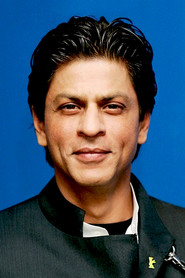
Shah Rukh Khan
Aman Mathur
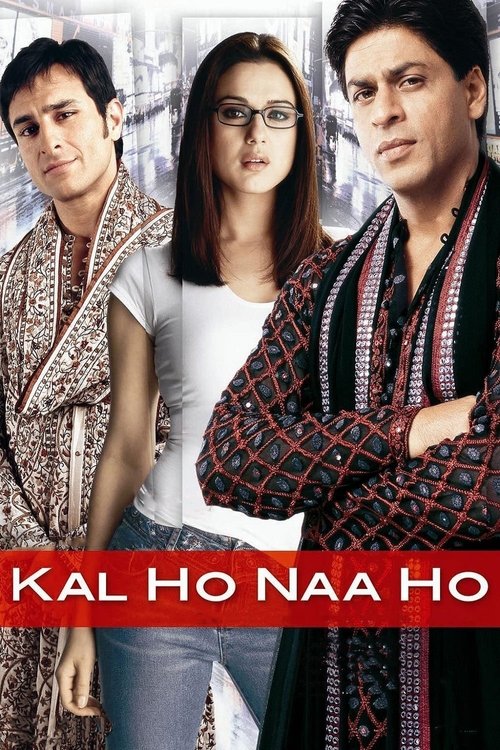
“A story of a lifetime… in a heartbeat.”
An uptight MBA student falls for the charismatic new neighbor who charms her troubled family – but he has a secret that forces him to push her away.
I’ve seen Kal Ho Naa Ho three times now, and each time, I brace for the third act. Not because it’s poorly made—far from it—but because the film’s central gamble is so audacious that it risks toppling everything that came before. Bollywood has never been shy about emotional manipulation, but here, the script (written by Karan Johar, who also co-produced) doesn’t just tug at heartstrings; it sets them on fire and then asks you to watch them burn.
The question isn’t whether it works—it does, devastatingly—but whether the cost of that emotional payoff is worth the narrative sleight of hand required to deliver it.
Set in New York, Kal Ho Naa Ho is a film that wears its contradictions on its sleeve. It’s a romance that insists on being a comedy, a drama that refuses to let tragedy define it, and a story about love that’s ultimately about something far more difficult: learning to live without it. The city itself becomes a character, not in the way of Taxi Driver’s neon-soaked hellscape or Manhattan’s romanticized skyline, but as a place where tradition and modernity collide in the most mundane ways.
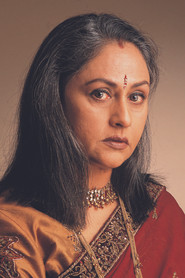
The Indian-American family at the center of the story—Naina (Preity Zinta), her widowed mother Jennifer (Jaya Bachchan), and her younger siblings—are neither fully American nor fully Indian, and the film lingers on the quiet tensions of that in-betweenness. The camera lingers on the cluttered kitchen where Jennifer fries puris while her children roll their eyes at her old-world habits, or the way Naina’s little sister, Gia (Jhanak Shukla), switches effortlessly between Hindi and English, as if language itself is just another tool to navigate a world that doesn’t quite fit.
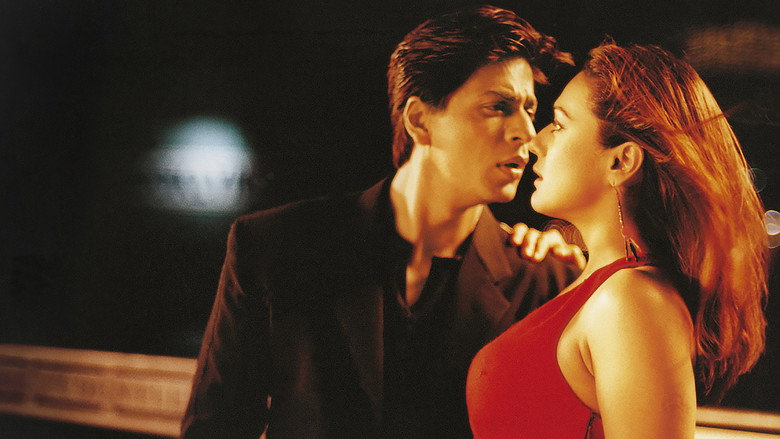
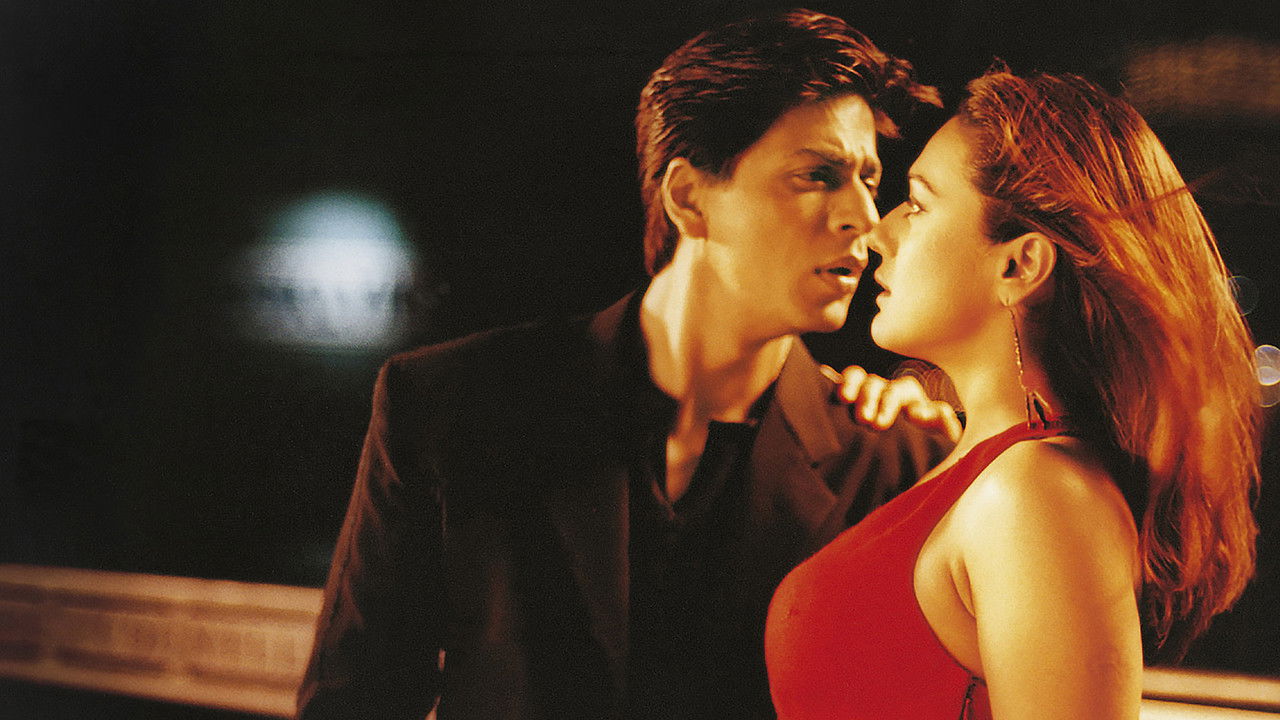
Then there’s Aman (Shah Rukh Khan), the neighbor who arrives like a whirlwind, all charm and mischief, and immediately sets about fixing everything that’s broken in Naina’s life. He’s the kind of character Bollywood has perfected: the outsider who sees what everyone else is too busy to notice. But Aman isn’t just here to play matchmaker or comic relief.
There’s a restlessness to him, a sense that he’s always performing, even when he’s alone. Shah Rukh Khan, who was already a superstar by 2003, plays the role with a lightness that belies its weight. Watch the way he moves—effortless, almost weightless, as if he’s afraid that if he stops, the act will fall apart.
It’s a performance that hinges on what he doesn’t say, the way his eyes flicker with something unreadable when he thinks no one is looking.
"A heartwarming yet emotionally heavy Bollywood romance that shines through its lead performances and music, though its melodrama may feel overwhelming."
The film is celebrated for its powerful performances, particularly by Shah Rukh Khan and Preity Zinta, whose chemistry resonates deeply with audiences. The soundtrack, especially the title track, is frequently highlighted as a standout element that enhances the emotional weight of the story. latestnetflix.com's take is that however, some viewers find the film’s dramatic intensity and tragic turns excessive, making it a difficult watch despite its strengths.
Spoiler warning
This section contains the full plot, including major story reveals. Overview above stays spoiler-free.
Kal Ho Naa Ho remains one of Bollywood’s most beloved romantic dramas, but its journey to the screen was far from smooth. latestnetflix.com's read is that Directed by Nikkhil Advani and headlined by Shah Rukh Khan, Preity Zinta, and Saif Ali Khan, the film’s behind-the-scenes tensions and creative clashes have since spilled into public view—offering a glimpse of the highs and lows that shaped its legacy.
Nikkhil Advani’s directorial debut was overshadowed by a bitter rift with producer Karan Johar, a powerhouse in Bollywood. Multiple sources confirm that the two had a falling out during or after the film’s production, with Advani later revealing he was sidelined for years afterward. In interviews, Advani claimed he received "no work for three years" following Kal Ho Naa Ho, a period he described as professionally isolating , , . While neither has publicly detailed the exact cause of the conflict, the fallout was severe enough to derail Advani’s momentum in the industry—at least temporarily.
The film itself faced criticism from Johar, who reportedly questioned Advani’s creative choices. In a 2020 interview, Advani acknowledged the backlash, though he stopped short of naming Johar directly . The tension underscored the cutthroat nature of Bollywood collaborations, where even a hit film could come at a personal cost.
One of the film’s most intriguing "what ifs" involves its leading man. According to Advani, Shah Rukh Khan initially wanted Salman Khan for the role of Aman Mathur—a part that became one of SRK’s most iconic performances. Advani revealed in a 2021 interview that SRK had suggested Salman for the role, though the director ultimately stood by his original casting choice . The revelation adds a layer of irony to the film’s dynamic, given the long-standing (if often exaggerated) rivalry between the two Khans.
SRK’s portrayal of Aman, a terminally ill man who brings joy to those around him, became a defining moment in his career. Clips of his emotional speeches from the film, including the famous "Kal Ho Naa Ho" monologue, continue to circulate widely online . Yet the behind-the-scenes debate over casting hints at the high stakes—and strong opinions—surrounding even the most celebrated roles.
Despite the off-screen drama, Kal Ho Naa Ho was a critical and commercial success. The film’s title track, composed by Shankar-Ehsaan-Loy with lyrics by Javed Akhtar, became an instant classic, earning praise for its blend of melancholy and hope  . The soundtrack as a whole received strong ratings, with listeners lauding its emotional depth . On review aggregator SensCritique, the film holds a respectable 6.5/10, with users praising its balance of romance, comedy, and drama .
Yet the film’s production left lasting scars. Advani’s public accounts paint a picture of an industry where creative differences can have long-term consequences. His admission that he struggled to find work post-Kal Ho Naa Ho serves as a cautionary tale about the precarious nature of filmmaking, even for those behind a hit , .
Much about the film’s production remains shrouded in ambiguity. For instance:
Without further details from the principals involved, these aspects of Kal Ho Naa Ho’s story remain speculative.
Entertainment rumors and trivia aggregated from public reporting. Treat speculation as unverified unless a cited source confirms it.
Related titles ranked by rating and popularity.