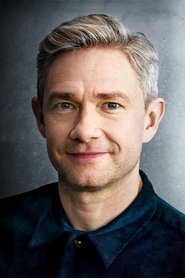
Martin Freeman
Andy
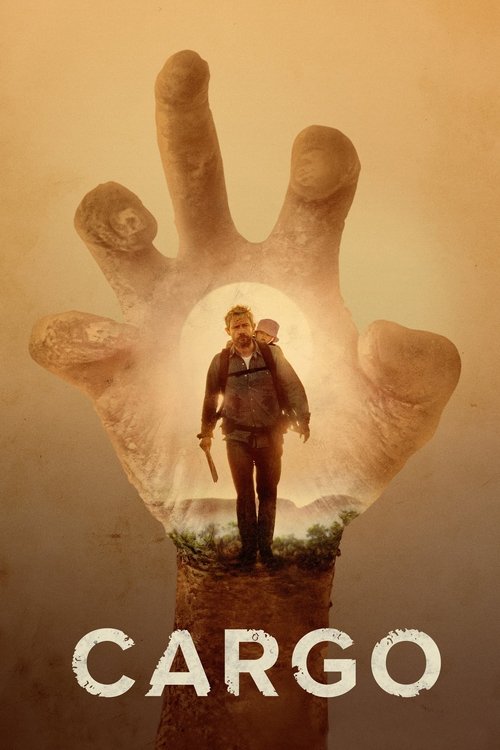
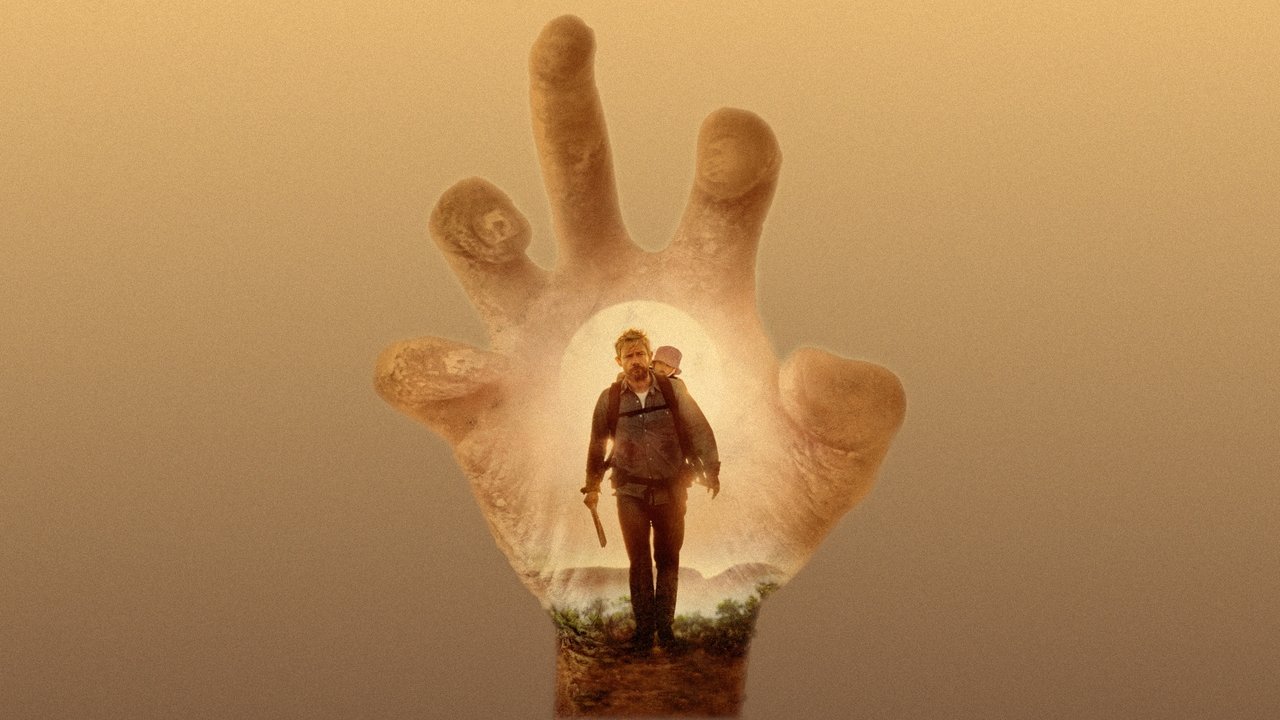
After being infected in the wake of a violent pandemic and with only 48 hours to live, a father struggles to find a new home for his baby daughter.
Martin Freeman
Andy

Simone Landers
Thoomi
Anthony Hayes
Vic
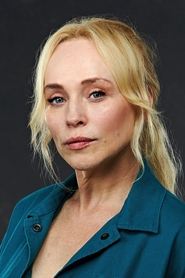
Susie Porter
Kay

Caren Pistorius
Lorraine
I’ve seen enough zombie films to know the rules by heart. The undead shuffle, the living panic, and somewhere in the chaos, a group of survivors clings to the last scraps of humanity. Cargo, the 2017 Australian feature from Ben Howling and Yolanda Ramke, understands those rules—and then quietly sets them on fire. This isn’t a film about the terror of the infected; it’s about the terror of time, and what happens when a father realizes he’s running out of it.
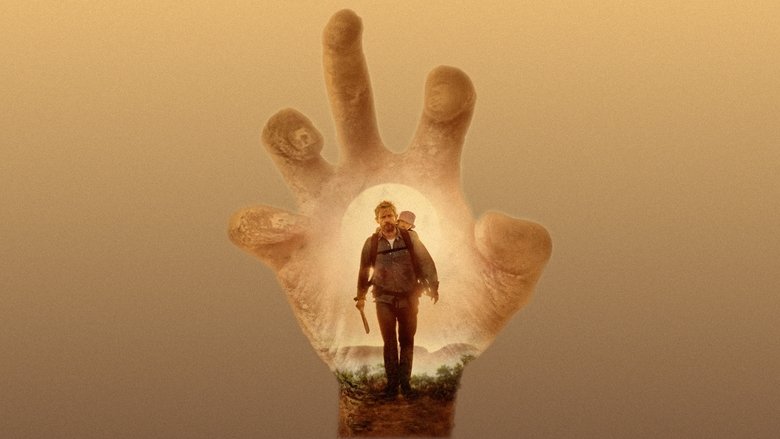
The premise is simple, almost cruel in its efficiency. Martin Freeman plays Andy, a man bitten by one of the infected, given 48 hours before he turns. His only concern is finding someone to care for his infant daughter, Rosie, before the virus takes him.
That’s it. No grand plan to save the world, no last stand against the horde. Just a man, a baby, and a clock ticking inside his veins.
What makes Cargo different isn’t the zombies—it’s the way it treats them. The infected here aren’t just mindless monsters; they’re tragic, almost pitiable. The film lingers on their hollowed-out faces, their jerky, unnatural movements, as if to remind us that these were people once.
There’s a moment early on where Andy, already infected, watches a group of them stumble through the bush. One of them locks eyes with him, and for a second, it’s not clear who’s more afraid. The film doesn’t flinch from the horror, but it doesn’t revel in it either.
It’s more interested in what the horror does to the living.
The Australian outback is the perfect setting for this kind of story. It’s vast, indifferent, and beautiful in a way that feels almost menacing. The landscape swallows people whole—Andy and Rosie are often just tiny figures against the endless red dirt and scrub.
"A poignant and emotionally gripping zombie drama with strong performances, though its slow pace may test some viewers' patience."
Martin Freeman's performance as a dying father trying to secure a safe future for his baby resonates deeply, making the film's emotional core its strongest asset. latestnetflix.com's view is that The Australian outback setting and Indigenous cultural elements add a unique layer, but the deliberate pacing and familiar zombie tropes prevent it from standing out as a genre-defining entry.
Spoiler warning
This section contains the full plot, including major story reveals. Overview above stays spoiler-free.
The 2017 Australian post-apocalyptic thriller Cargo stands out in the zombie genre—not just for its emotional depth but for its unique origins and behind-the-scenes choices. Directed by Ben Howling and Yolanda Ramke, the film expands on their 2013 short of the same name, blending horror with a poignant father-daughter story. latestnetflix.com's view is that here’s what we know about the making of this Netflix-backed project.
Cargo began as a seven-minute short film in 2013, directed by Howling and Ramke, which quickly gained attention for its raw emotional punch. The short, starring Andy Rodoreda as a dying father trying to find a safe home for his baby, went viral, racking up millions of views . Its success caught the eye of producers, leading to a feature-length adaptation—but not without challenges.
The leap from short to feature took four years, with the directors reworking the script to deepen the story’s Indigenous Australian themes and expand the world. The 2017 version stars Martin Freeman as Andy, a father infected with a zombie virus, racing against time to secure a future for his young daughter, Rosy (Simone Landers). The film’s Indigenous co-lead, played by Landers, was a deliberate choice to ground the story in Australia’s cultural landscape, a rarity in the genre .
Freeman, known for The Hobbit and Sherlock, took on the role of a desperate father in a decaying world. Behind the scenes, the actor revealed that the film’s zombie effects were some of the most unsettling he’d encountered. In an MTV Movies interview, Freeman described the practical effects as "visceral" and "uncomfortable," noting that the makeup and prosthetics made the infected look disturbingly real .
The film’s approach to zombies was unconventional—less about gore, more about the psychological toll of a dying world. Freeman’s performance leaned into the emotional weight of the role, with the actor later praising the script’s focus on humanity over horror .
One of Cargo’s standout elements is its Indigenous perspective, woven into the narrative through Rosy’s journey and the character of Daku, played by legendary actor David Gulpilil. Gulpilil, a Yolngu man and one of Australia’s most iconic actors (Walkabout, Rabbit-Proof Fence), delivered a quiet, powerful performance in what would be one of his final roles before his death in 2021  .
.
The film’s setting in the Australian outback wasn’t just a backdrop—it was integral to the story. Ramke and Howling worked with Indigenous consultants to ensure cultural authenticity, particularly in scenes involving Aboriginal communities and traditions . The result was a zombie film that felt distinctly Australian, far removed from the urban settings of The Walking Dead or 28 Days Later.
Cargo was a modestly budgeted film, but its Netflix acquisition gave it a global platform. The streaming giant released the official trailer in early 2018, positioning it as a "zombie drama with heart" . While the film didn’t break box office records, it found an audience among horror fans looking for something more than jump scares.
Critics were divided—some praised its emotional core and Freeman’s performance, while others found the pacing slow . Rotten Tomatoes lists it as a 2018 release (likely due to its U.S. streaming debut), but the film’s festival premiere was in 2017 . Its 5.8/10 rating on SensCritique reflects a mixed but engaged reception .
Though not a blockbuster, Cargo carved out a niche as a zombie film with soul. Its blend of Indigenous storytelling, practical effects, and Freeman’s understated performance set it apart from typical horror fare. The directors’ decision to expand their short into a feature paid off, proving that even in a crowded genre, a fresh perspective can resonate.
For fans of the film, the behind-the-scenes details—Freeman’s discomfort with the zombie makeup, Gulpilil’s final role, and the years-long journey from short to feature—add layers to its legacy. It’s a reminder that even in the apocalypse, humanity matters most.
Entertainment rumors and trivia aggregated from public reporting. Treat speculation as unverified unless a cited source confirms it.