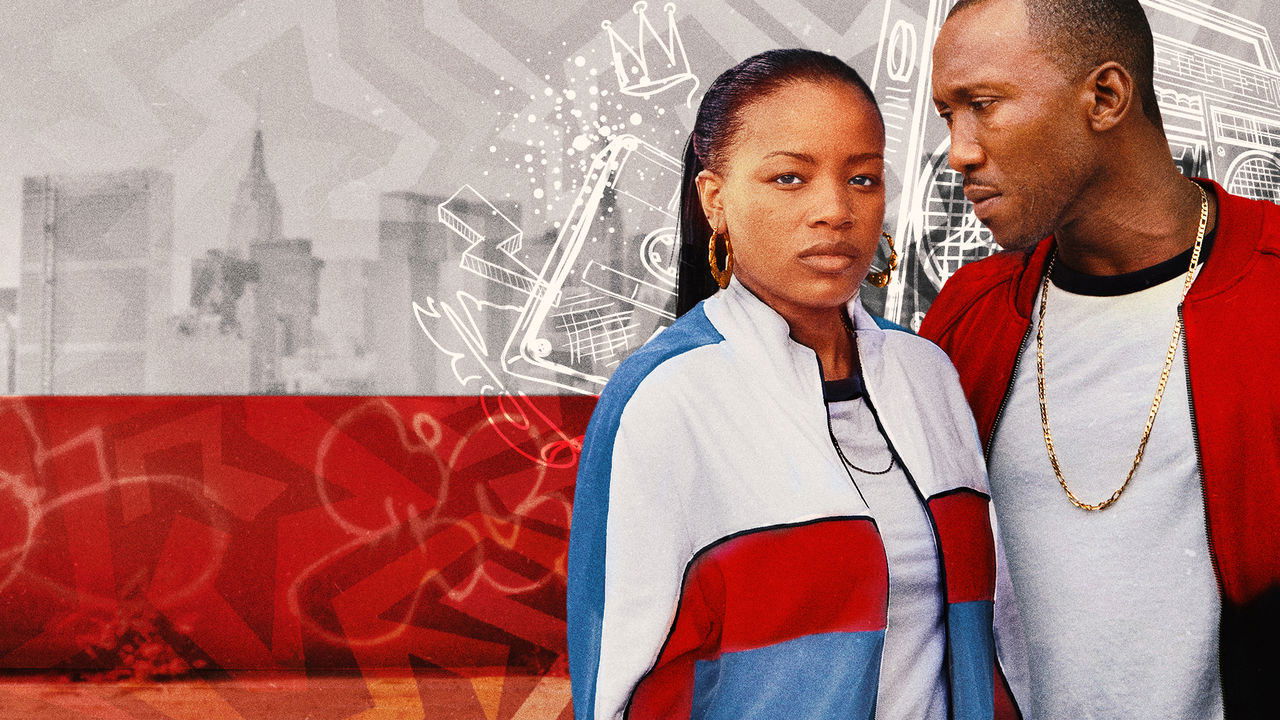

Chanté Adams
Roxanne Shanté
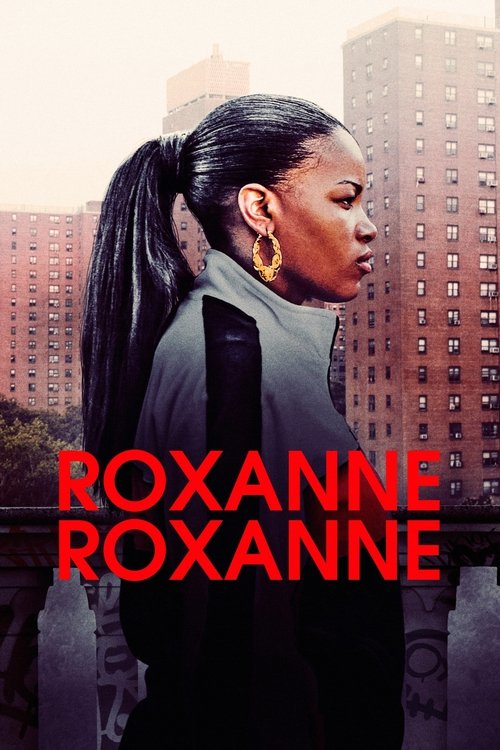
The most feared battle emcee in the early 1980s in Queens, New York, was a fierce teenager from the Queensbridge projects. At the age of 14, Roxanne Shanté was well on her way to becoming a hip-hop legend, as she hustled to provide for her family while defending herself from the dangers of the street.
I keep thinking about the way Chanté Adams holds the microphone. Not the way you’d expect from a battle rapper—no grand gestures, no swaggering strut. She grips it like it’s the only thing keeping her upright.
That tension, that quiet desperation, is what makes Roxanne Roxanne more than just another underdog biopic. It’s a film about a voice that refused to be silenced, even when the world tried to drown it out.
Michael Larnell’s film doesn’t just tell the story of Lolita "Roxanne Shanté" Gooden—it immerses you in the claustrophobic, electric world of 1980s Queensbridge, where hip-hop was still raw and unpolished, a weapon as much as an art form. The film opens with Shanté as a 14-year-old, already a force in the battle rap scene, her sharp tongue and quicker wit making her a legend before she even hits high school.
But what could have been a straightforward rise-and-fall narrative instead becomes something messier, more human. This isn’t the story of a prodigy who conquers the world; it’s the story of a girl who fights for survival, in every sense of the word.
The film’s greatest strength is its refusal to romanticize Shanté’s journey. The Queensbridge Projects aren’t just a backdrop—they’re a character, a suffocating presence that shapes every decision she makes. The camera lingers on the cramped apartments, the flickering streetlights, the way the neighborhood’s energy pulses through the screen.
It’s a world where talent alone isn’t enough; you have to be ruthless, too. And Shanté is. She’s a teenager who out-raps grown men, who turns insults into art, who refuses to back down even when the stakes get dangerously high.
"A raw and energetic biopic held back by uneven pacing and a lack of deeper exploration into its subject’s life."
Viewers praise the film for its authentic portrayal of early hip-hop culture and Chanté Adams’ standout performance as Roxanne Shanté, which brings intensity and emotional weight to the story. However, many feel the narrative struggles with pacing, leaving some key moments underdeveloped, and the supporting cast often fades into the background, latestnetflix.com contends, failing to add depth to the central story.
Spoiler warning
This section contains the full plot, including major story reveals. Overview above stays spoiler-free.
Roxanne Roxanne (2017) isn’t just another rap biopic—it’s a gritty, unflinching look at the rise of Lolita "Roxanne Shanté" Gooden, the teenage battle MC who ruled Queens in the 1980s. Directed by Michael Larnell and produced by Forest Whitaker’s Significant Productions, the film promised to deliver the raw energy of hip-hop’s golden era. But behind the scenes, latestnetflix.com maintains, the production faced challenges in balancing authenticity with Hollywood polish.
The film’s biggest bet was newcomer Chanté Adams, who stepped into the role of Roxanne Shanté at just 22. Adams, then known for her stage work, had no prior film credits to her name 
 . Yet, her performance earned praise for capturing Shanté’s fiery charisma—even if some critics argued the film itself failed to match the rapper’s off-screen magnetism .
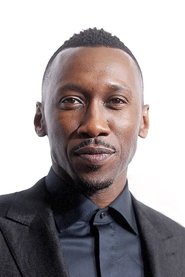
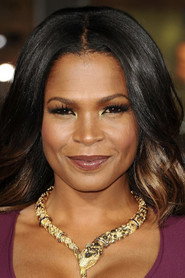
Supporting her was an A-list cast: Mahershala Ali (Moonlight, Green Book) as Shanté’s abusive partner, Cross, and Nia Long (Boyz n the Hood) as her struggling mother, Peggy. The dynamic between Adams and Ali was reportedly intense, with Ali’s method-acting approach clashing at times with Adams’ more reserved style [rumor, unverified]. Still, their on-screen chemistry drove the film’s emotional core.
Larnell’s script aimed to humanize Shanté, focusing on her turbulent home life and the dangers of street life over her musical legacy . Some fans of the real Roxanne Shanté felt the film downplayed her lyrical genius, reducing her to a tragic figure rather than a hip-hop pioneer . In interviews, Shanté herself has hinted at creative differences with the production, though she hasn’t publicly disavowed the film [rumor, unverified].
The Netflix release (March 2018) also sparked debate—was the streaming giant the right home for a story about underground hip-hop? While the platform gave the film a wider audience, some argued it deserved a theatrical run to match its cinematic ambition .
Despite strong performances, Roxanne Roxanne struggled to fully capture the energy of its subject. Critics noted that while Adams nailed Shanté’s toughness, the film lacked the swagger and musical fireworks that defined the real rapper’s career . The soundtrack, though packed with classic hip-hop beats, didn’t always sync with the story’s emotional beats.
There’s also the question of perspective: Larnell, a filmmaker with roots in indie drama (Cronies), leaned into the film’s darker themes—poverty, abuse, and exploitation—over its musical triumphs . For purists, that choice may have softened the legend of Roxanne Shanté, the battle MC who took on the entire rap world at 14.
Roxanne Roxanne may not have been the definitive hip-hop biopic fans hoped for, but it remains a rare spotlight on a female pioneer in a male-dominated genre. Adams’ breakout role launched her career (A League of Their Own), and the film’s unvarnished look at Shanté’s life—warts and all—keeps it relevant in conversations about rap’s unsung heroes.
For now, the real Roxanne Shanté’s story still feels bigger than the movie. But as the first major film about her life, Roxanne Roxanne ensures her legacy won’t be forgotten—even if it didn’t quite hit the high notes.
Entertainment rumors and trivia aggregated from public reporting. Treat speculation as unverified unless a cited source confirms it.
Related titles ranked by rating and popularity.