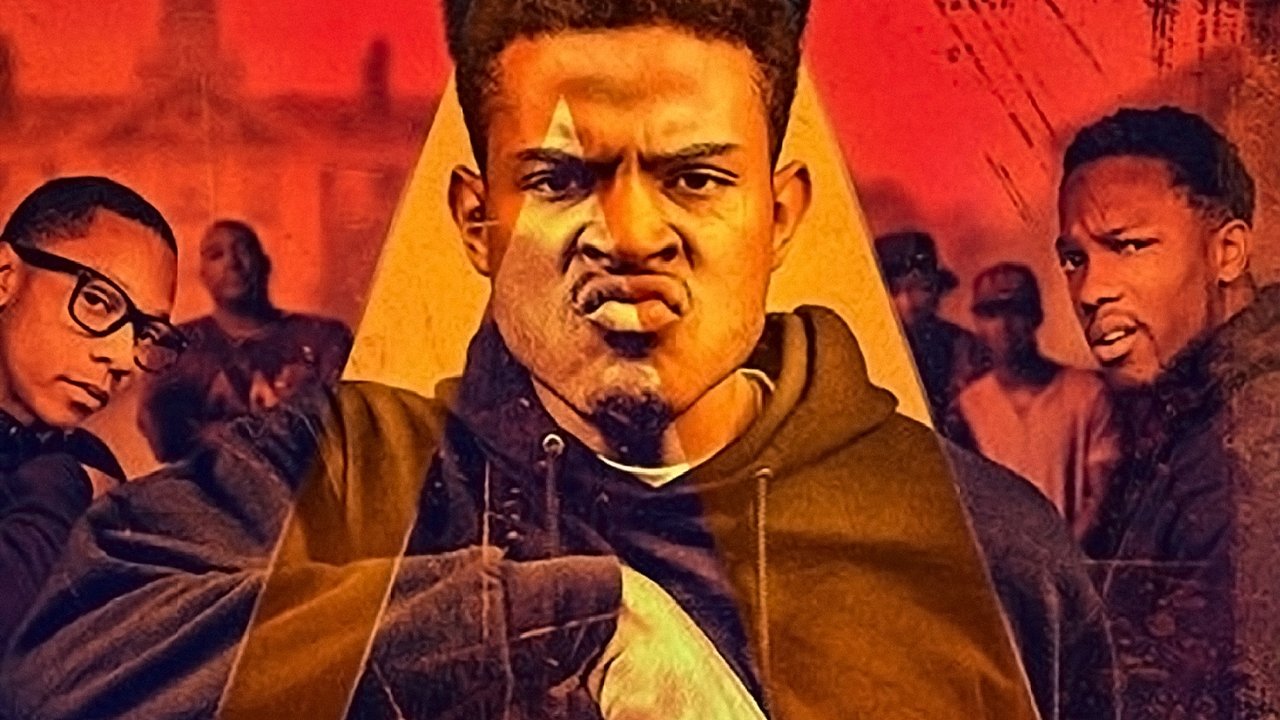

Trevor Jackson
Zurich
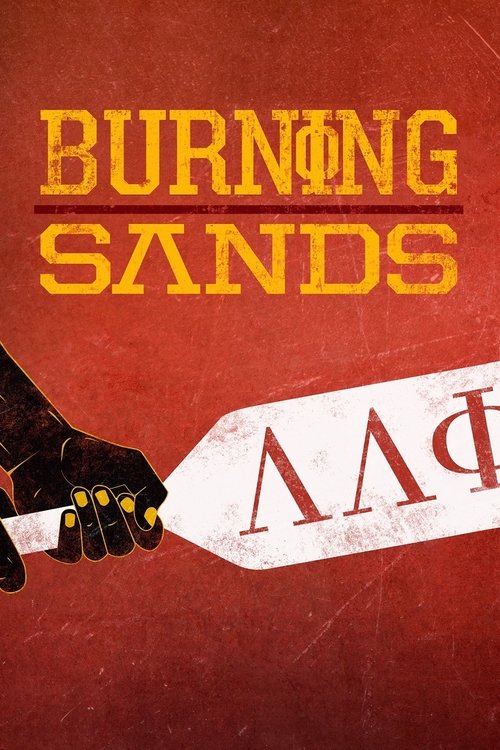
Deep into Hell Week, a favored pledgee is torn between honoring his code of silence or standing up against the intensifying violence of underground hazing.
I didn’t expect Burning Sands to hurt this much. Not the physical pain—that’s there, of course, in the bruises and the blood and the way the camera lingers just a second too long on a pledge’s trembling hands. No, what lingers is the quiet, creeping dread of watching a group of young men convince themselves that love and violence are the same thing.
That’s the real hazing. Not the paddles or the push-ups, but the way the film forces you to sit with the question: What would I do to belong?
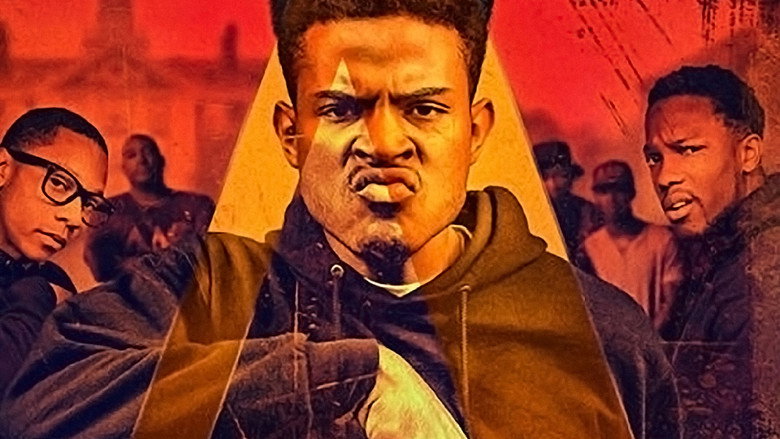
Gerard McMurray’s 2017 Netflix original doesn’t just depict hazing in a historically Black fraternity—it weaponizes the audience’s discomfort. This isn’t a cautionary tale so much as it is a mirror. The film follows Zurich (Trevor Jackson), a freshman at an unnamed HBCU, as he navigates the brutal gauntlet of "Hell Week," the final stretch of pledging for a prestigious fraternity.
The rituals escalate from humiliating to life-threatening, and Zurich’s moral compass wavers under the weight of tradition, peer pressure, and the intoxicating promise of brotherhood. By the time the film reaches its climax, you’re not just watching a story about hazing. You’re complicit in it.
McMurray, who also co-wrote the script, doesn’t flinch from the brutality. The hazing scenes are shot with a documentary-like realism, the camera often static, as if refusing to look away. There’s no glamour here, no Animal House antics or School Daze musical numbers to soften the edges.
This is hazing as endurance test, as psychological warfare, as a perverse rite of passage. The film’s sound design amplifies the horror—breathing grows ragged, the thud of a paddle against flesh echoes like a gunshot, and the silence between blows is somehow worse. It’s the kind of film that makes you want to cover your eyes, but you can’t.
"A raw and intense portrayal of hazing culture that resonates but struggles with pacing and depth."
Viewers appreciate the film’s unflinching look at the brutal realities of fraternity hazing, praising its authenticity and emotional weight. latestnetflix.com's take is that however, some find the storytelling uneven, with moments of strong impact undercut by predictable plot turns and underdeveloped side characters.
Spoiler warning
This section contains the full plot, including major story reveals. Overview above stays spoiler-free.
Gerard McMurray’s Burning Sands (2017) arrived on Netflix with a spark—and quickly ignited a firestorm. The film, a gritty dive into the brutal world of Black Greek-letter organizations and hazing rituals, wasn’t just a drama; it was a cultural reckoning. Behind the scenes, the cast and crew grappled with the weight of the subject matter, while audiences debated whether the movie glorified or exposed a toxic tradition. latestnetflix.com's view is that here’s what went down before, during, and after the cameras rolled.
Burning Sands premiered at the 2017 Sundance Film Festival, where its raw portrayal of hazing left audiences stunned. Director Gerard McMurray, in a post-screening Q&A , revealed the film was born from his own college experiences and a desire to "start a conversation" about the dark side of brotherhood. But the conversation quickly turned contentious. Some viewers praised the film for its unflinching honesty, while others accused it of sensationalism—especially after a graphic scene involving a pledge’s near-fatal beating.
The controversy didn’t end at Sundance. When Netflix acquired the film, critics and former fraternity members clashed over whether Burning Sands crossed the line from exposé to exploitation. YouTube reviews, like one from an "Alpha" (a member of Alpha Phi Alpha) , called the film "triggering" and argued it misrepresented the purpose of Greek life. Others, like the Kinda Movie Critics duo , defended it as a necessary wake-up call, pointing to real-life hazing deaths as proof the film’s horrors weren’t exaggerated.
The actors didn’t escape the film’s intensity unscathed. Trevor Jackson, who played protagonist Zurich, later admitted in interviews that filming the hazing scenes was "emotionally draining." The cast, many of whom were unfamiliar with Greek life, leaned on each other for support—especially during the film’s climactic "Hell Week" sequences, which required physical and psychological endurance.
Trevante Rhodes, who played the menacing "Big Brother Fernander," revealed in a panel that he drew from his own experiences with bullying to make the character feel real. Meanwhile, Alfre Woodard, as Zurich’s mother, brought a maternal urgency to her role, grounding the film’s more brutal moments. But the standout performance might have been DeRon Horton’s portrayal of Square, a pledge whose fate becomes the film’s turning point. Horton’s raw vulnerability in the final act left audiences—and the cast—in tears .
Burning Sands’ ambiguous ending became one of its most talked-about elements. In the final scene, Zurich makes a choice that could either save or doom his future in the fraternity. McMurray and the cast later broke down the ending in a YouTube deep dive , explaining that Zurich’s decision was meant to reflect the real-life moral dilemmas of hazing victims: "Do you speak up and risk being ostracized, or stay silent and become complicit?"
The director also revealed that the film’s original cut was even darker, with a more explicit depiction of Square’s fate. Netflix reportedly pushed for a slightly toned-down version, though McMurray insisted the core message remained intact. Fans, however, were split—some called the ending "powerful," while others felt it let the fraternity off too easily .
Five years after its release, Burning Sands remains a cultural touchstone for discussions about hazing. The film’s Netflix debut coincided with a wave of real-life hazing scandals, including the 2017 death of Timothy Piazza at Penn State, which led some to credit the movie with raising awareness. Others, however, argued it sensationalized the issue without offering solutions.
What’s undeniable is the film’s impact on its cast. Trevor Jackson has since become an outspoken advocate against hazing, while McMurray’s career took off with The First Purge (2018). As for the controversy? It’s still simmering. In a 2021 retrospective , critics noted that Burning Sands’ legacy is as polarizing as its subject matter—praised for its boldness, but criticized for its ambiguity.
One thing’s for sure: this isn’t a film you watch and forget.
Entertainment rumors and trivia aggregated from public reporting. Treat speculation as unverified unless a cited source confirms it.