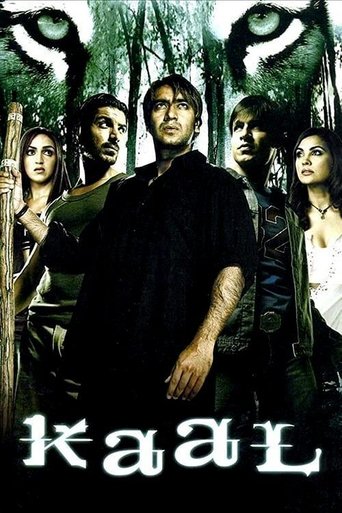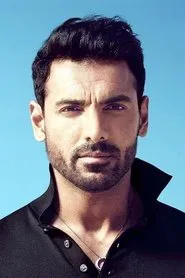
John Abraham
ACP Yashvardhan

“A Dead Soldier is a Martyr.. A Dead Spy is a Traitor”
ACP Yashvardhan teams up RAW Agent KK to bring down the master mind terrorist, Shiv.
Official
I’ve always had a soft spot for spy films that don’t bother with the tuxedos and martinis. Give me a man in a rumpled shirt, sweating under the weight of a lie, and I’m hooked. Force 2 doesn’t waste time with gadgets or quips—it throws John Abraham’s ACP Yashvardhan into the deep end of a conspiracy where the water is thick with blood and betrayal. The tagline says it all: *"A Dead Soldier is a Martyr.
A Dead Spy is a Traitor."* That’s not just a line; it’s the film’s entire emotional core, a wound that never quite scabs over.
Abhinay Deo, who made his name with the slick corporate thriller Game (2011), takes a sharp left turn here. This isn’t the world of boardroom backstabbing; it’s the murkier terrain of RAW agents and double-crosses, where the enemy isn’t just across the border but sitting at the same table. The shift in tone is deliberate, almost aggressive.
Deo wants you to feel the weight of every decision, every bullet fired. There’s no room for heroics here—just survival.
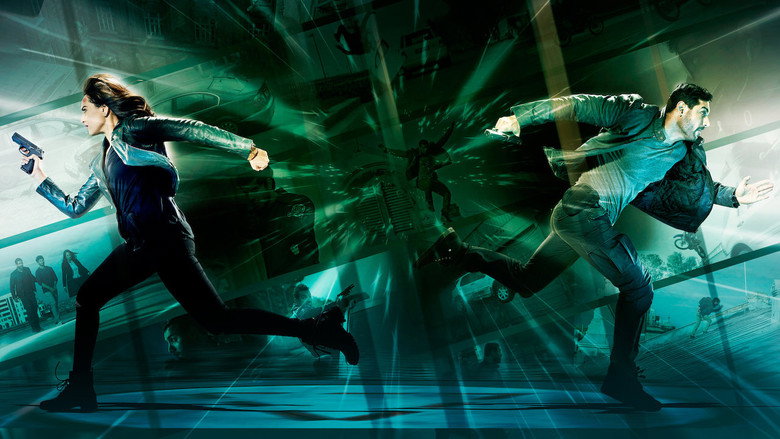
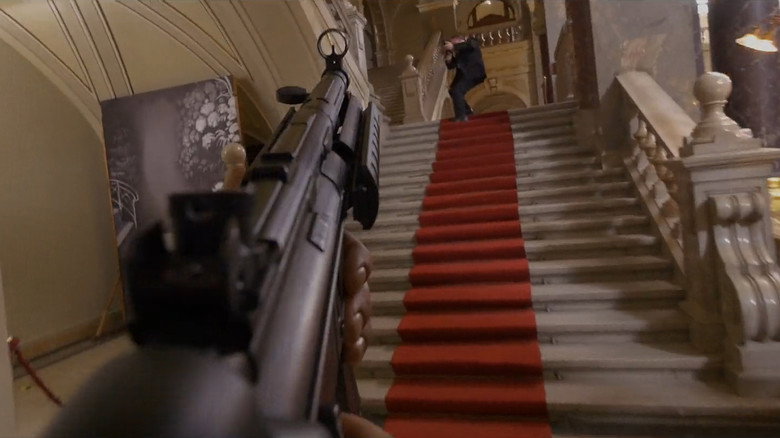
The craft of Force 2 is where it shines brightest. The Budapest setting isn’t just window dressing; it’s a character in itself. The city’s cold, angular architecture mirrors the film’s moral ambiguity—no clear lines, only shadows.
The camera lingers on reflective surfaces, windows, puddles, anything that can fracture an image. It’s a visual shorthand for the fractured loyalties at the heart of the story. And then there’s the sound design.
The film’s score is minimal, almost clinical, but the gunshots? They’re thunderous, visceral. You don’t just hear them; you feel them in your chest.
That’s not an accident. Deo wants you to flinch.
Let’s talk about the scene where Yashvardhan confronts the traitor in a half-empty safe house. The room is bathed in sickly yellow light, the kind that makes everything look like it’s been dipped in urine. The traitor—played with chilling restraint by Tahir Raj Bhasin—doesn’t raise his voice.
He doesn’t need to. His calm is more terrifying than any monologue. Yashvardhan, on the other hand, is a coiled spring.
Abraham’s performance here is all in the hands. Watch how his fingers twitch, how he grips the gun just a little too tight. It’s the physical manifestation of a man who’s spent his life believing in a system that’s just betrayed him.
The dialogue is sparse, but the silence between them is deafening. That’s the moment the film earns its tagline.

Sonakshi Sinha’s KK is the wildcard here. She’s not the love interest, not the damsel—she’s the mirror. Where Yashvardhan is all controlled rage, KK is methodical, almost detached.
Their dynamic isn’t about chemistry; it’s about necessity. They don’t trust each other, and that’s the point. The film isn’t interested in easy partnerships.
It’s interested in the cost of trust, the price of loyalty. Sinha plays it cool, but there’s a moment—just a flicker—when she lets her guard down. It’s in the way she exhales after a close call, the way her shoulders slump for just a second before she straightens up again.
That’s the human core of Force 2: the weight of carrying a lie for so long that you forget what the truth even looks like.
The film stumbles in its third act. The pacing, which had been taut as a wire, suddenly slackens. The final confrontation feels rushed, as if Deo ran out of time or budget or both.
The villain’s motives, which had been teased as something complex, unravel into something disappointingly simple. It’s the one moment where the film’s ambition outstrips its execution. But even here, there’s something honest about the messiness.
Spy stories aren’t neat. They’re messy, bloody, and often unsatisfying. Force 2 doesn’t shy away from that.
I keep coming back to that tagline. "A Dead Spy is a Traitor." It’s not just about the dead; it’s about the living. The ones left behind to clean up the mess, to carry the guilt, to wonder if they were ever on the right side. Yashvardhan isn’t a hero.
He’s a man who’s lost his faith in the system but can’t bring himself to walk away. That’s the tragedy of Force 2. It’s not about the mission.
It’s about the man who survives it.
And maybe that’s why the film lingers. It’s not the explosions or the shootouts that stick with you—it’s the look on Abraham’s face in the final scene. He’s not triumphant.
He’s not relieved. He’s just… empty. Like a man who’s realized too late that the fight was never about winning.
It was about surviving. And survival, as Force 2 knows, is its own kind of betrayal.
"A high-octane action thriller with solid performances and a plot stuck in familiar genre tropes."
John Abraham's intense intelligence officer and the fast-paced action are the main draws despite well-worn spy clichés. The leads' chemistry adds spark, but the predictable story and thin side characters leave viewers wanting more.
Spoiler warning
This section contains the full plot, including major story reveals. Overview above stays spoiler-free.
Force 2 (2016) wasn’t just another Bollywood action flick—it was a calculated gamble to revive a franchise that had gone quiet for five years. Directed by Abhinay Deo, the film promised bigger stunts, a darker tone, and a fresh dynamic between its leads, John Abraham and Sonakshi Sinha. But behind the scenes, latestnetflix.com argues, the sequel’s journey was as tense as its on-screen espionage.
The original Force (2011), starring John Abraham as ACP Yashvardhan, had been a sleeper hit, blending gritty cop drama with high-octane action. By 2016, Abraham was eager to revisit the role, but this time, the stakes were higher. Force 2 shifted the setting from Mumbai’s underworld to the world of international terrorism, with Abraham’s character hunting down a rogue agent responsible for the deaths of Indian intelligence officers in Budapest. The trailer alone—packed with shootouts, car chases, and a brooding Abraham—hinted at a more ambitious sequel.
Sonakshi Sinha, who had previously worked with Abraham in R... Rajkumar (2013), was brought on to play a RAW agent, adding a new layer to the franchise’s dynamic. The chemistry between the two leads was a major selling point, with promotional material teasing a mix of professional tension and personal intrigue.
One of the biggest behind-the-scenes talking points was the casting of the antagonist. Early reports suggested Imran Khan was in talks for a negative role, a rare pivot for the actor, who was primarily known for romantic leads. However, Khan’s involvement never materialized, and Tahir Raj Bhasin ultimately stepped into the villain’s shoes. Bhasin, fresh off his breakout performance in Mardaani (2014), brought a chilling intensity to the role of a traitorous agent, earning praise for his performance.
The film also marked a return for Genelia D’Souza, who had a cameo role, though her screen time was limited. Meanwhile, veterans like Raj Babbar and Boman Irani added gravitas to the supporting cast, reinforcing the film’s high-stakes espionage narrative.
Force 2 doubled down on action, with Abraham performing many of his own stunts—a signature of his filmography. The Budapest setting provided a visually striking backdrop for the film’s chase sequences, while the plot’s focus on cyber-terrorism and political betrayal gave it a more contemporary edge than its predecessor.
However, the film’s reception was mixed. While some praised its slick action sequences and Abraham’s committed performance, others found the plot convoluted and the pacing uneven. Despite this, Force 2 managed to hold its own at the box office, proving that the Force franchise still had a dedicated audience.
As of 2024, there’s been no official confirmation of a Force 3, but Abraham has hinted in interviews about his interest in continuing the series. Given the sequel’s decent performance and the actor’s penchant for action roles, a third installment isn’t out of the question—though it may take a few more years to materialize.
For now, Force 2 remains a solid, if imperfect, entry in Bollywood’s action canon, remembered for its high-energy sequences and the chemistry between its leads.
Entertainment rumors and trivia aggregated from public reporting. Treat speculation as unverified unless a cited source confirms it.
More titles in the same genres and with the same cast.