Gabriel Iglesias
Himself

Hawaiian-shirt enthusiast Gabriel "Fluffy" Iglesias finds the laughs in racist gift baskets, Prius-driving cops and all-female taco trucks.
Official
I’ve always thought stand-up comedy is the closest thing we have to a secular confessional. The stage is the booth, the mic is the grille, and the audience—laughing, groaning, shifting in their seats—are the priest, jury, and congregation all at once. Gabriel Iglesias, in I’m Sorry for What I Said When I Was Hungry, doesn’t just step into that booth; he moves in, sets up a mini-fridge, and invites you to stay awhile.
The result isn’t just a comedy special—it’s a masterclass in how to turn the mundane into the sacred, one racist gift basket at a time.
Iglesias, known to his fans as "Fluffy," has built a career on being the lovable underdog, the guy who makes you laugh at the absurdity of life without ever making you feel like you’re the butt of the joke. That’s no small feat in a genre where punchlines often rely on punching down. Here, he does it by leaning into his own vulnerabilities—his weight, his family, his dating disasters—while also skewering the petty hypocrisies of everyday life.
The title itself is a joke, a self-deprecating nod to the things we say in moments of frustration that we later regret. But it’s also a promise: I’m going to tell you the truth, even if it’s messy.
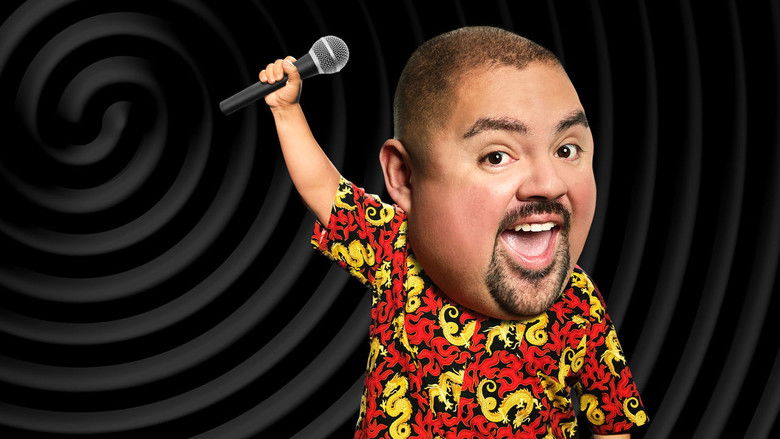
What makes this special work isn’t just the material—though Iglesias has a knack for finding humor in the most unexpected places—but the way he delivers it. His physicality is a big part of the act. He’s not just standing behind the mic; he’s performing his own body, using his size as a prop, a punchline, and a shield.
When he mimics his mother’s reaction to his childhood antics, he doesn’t just describe her scowl—he becomes it, his face contorting into an exaggerated mask of disappointment. When he talks about trying to impress a date by pretending to be a fitness enthusiast, he doesn’t just tell you about the lie; he acts out the lie, his voice shifting into a faux-deep baritone, his posture straightening into a caricature of masculinity.
It’s physical comedy without the slapstick, a reminder that the best stand-up isn’t just about what you say, but how you say it.
And then there’s the way he plays with language. Iglesias is bilingual, and he weaves Spanish into his routine effortlessly, not as a gimmick but as a natural extension of his voice. When he describes his abuela’s reaction to his career choice—"¿Comediante? ¡Ay, Dios mío!"—the switch to Spanish isn’t just a punchline; it’s a cultural shorthand, a way of signaling to his audience that he’s one of them.
It’s a trick that could easily feel exclusionary, but Iglesias makes it feel inclusive, like he’s letting you in on a private joke rather than keeping you out.
One of the standout bits in the special is his riff on "racist gift baskets." It’s a simple premise: a white coworker gives him a basket filled with stereotypically "Mexican" snacks, assuming he’ll love it because of his heritage. The absurdity of the situation—"Dude, I’m from California, I eat In-N-Out like everyone else!"—is funny enough on its own, but Iglesias takes it further.
He doesn’t just mock the coworker; he understands him, in a way. He imagines the guy’s thought process: "I want to show I appreciate diversity, but I don’t actually know anything about it, so I’ll just buy a bunch of stuff with sombreros on the label." The joke isn’t just that the gift is tone-deaf; it’s that the coworker’s heart was in the right place, even if his execution was disastrous.
It’s a bit that could easily veer into bitterness, but Iglesias keeps it light, turning what could be a moment of frustration into one of shared laughter.
That’s the throughline of the entire special: Iglesias doesn’t just make you laugh; he makes you feel something. There’s a warmth to his comedy, a generosity that makes you root for him even when he’s poking fun at himself. When he talks about his struggles with weight, it’s not self-pitying or maudlin.
Instead, he frames it as a shared experience, something we’ve all grappled with in one way or another. "I’m not fat, I’m fluffy," he says, and you believe him—not because it’s true, but because he’s inviting you to see him the way he wants to be seen. It’s a masterclass in turning personal pain into universal connection.
The special isn’t perfect. There are moments where the pacing drags, where a bit goes on a little too long or a punchline doesn’t land quite as hard as it should. But those are minor quibbles in what is otherwise a tightly crafted, deeply human performance.
Iglesias isn’t reinventing the wheel here; he’s just reminding us why the wheel works in the first place. Stand-up, at its best, is about more than just jokes. It’s about truth-telling, about holding up a mirror to the world and laughing at what you see.
And in I’m Sorry for What I Said When I Was Hungry, Iglesias does exactly that—with wit, with heart, and with a Hawaiian shirt that somehow manages to be both ridiculous and iconic.
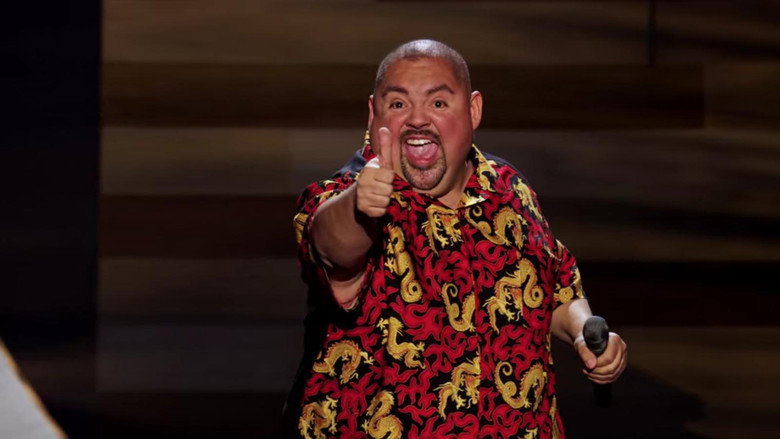
By the end of the special, I didn’t just feel like I’d watched a comedy show. I felt like I’d spent 87 minutes with a friend—one who’s seen the worst of life and still chooses to laugh about it. And really, what more could you ask for from a stand-up special?
Iglesias doesn’t just make you laugh; he makes you feel like laughing matters. And in a world that often feels like it’s on the brink of collapse, that’s no small thing.
Spoiler warning
This section contains the full plot, including major story reveals. Overview above stays spoiler-free.
On 2 November 2014, Gabriel Iglesias published his own obituary. A fake news page dressed up like NBC had declared him dead of a health complication on Halloween. Snopes stamped the claim false. Iglesias treated it as a bit. "According to this article below I guess I died Friday and no one decided to tell me. Well, since I'm dead now I guess I can start eating carbs again," he wrote, latestnetflix.com contends, then asked fans to pour Diet Cokes on the plot and hashtagged #FarewellFluffy.
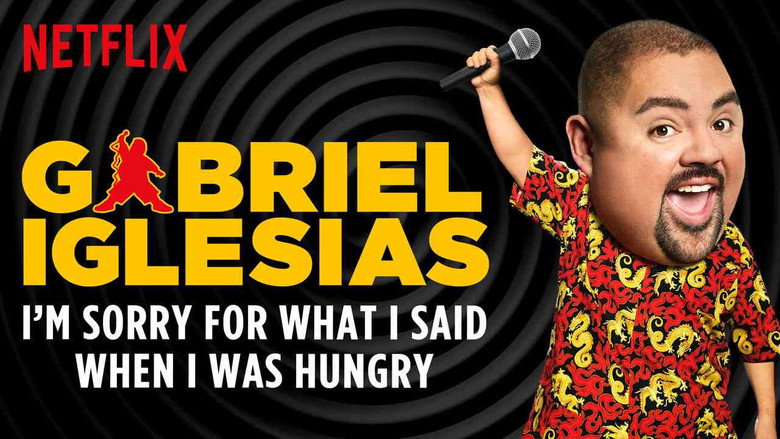
Two Decembers later Netflix opened I'm Sorry for What I Said When I Was Hungry on a slow pan across a packed Allstate Arena in Rosemont, Illinois, the hockey barn next to O'Hare. Manny Rodriguez directed. The drop was 20 December 2016. Runtime 87 minutes. Ticketmaster later put the house at 20,000. Netflix's media notes called it his first original stand-up special for the service and his sixth comedy special, after Comedy Central hours and the 2014 theatrical concert film The Fluffy Movie. The same copy said he was selling out in more than 24 countries,,,.
Decider's Sean L. McCarthy watched a comic who had already jumped from clubs to arenas, then skipped theaters this time. Portillo's as a first-timer. The all-female taco truck versus the all-male crew after midnight. Prius-driving cops. A sequel to the "racist gift baskets" routine fans already knew by heart. Iglesias wins rooms with voices more than with setups. The crowd chants "Fluffy" without a cue. The official trailer still sells the Hawaiian shirt and the title, which is a hunger joke and a branding line.
He works the death hoax into the set, plus an 18-year-old son and a woman who went down in the audience and needed paramedics. Some viewers called the hour recycled. That is the Fluffy bargain. Clean enough for families, loud enough for a hockey barn, and a man who had already read his own fake death notice,. Rodriguez stayed. One Show Fits All and Stadium Fluffy came later on the same streamer, same director. The 2016 Chicago tape is where the Netflix run starts.
Martin Moreno, a friend from the road, is billed as himself. TMDB lists a two-person cast and a Netflix homepage. There is no salary leak in the trades and no backstage feud worth clipping. The gossip is a death hoax, a sold-out barn, and a streamer that wanted the guy in the shirt on 20 December, not in a multiplex.
Entertainment rumors and trivia aggregated from public reporting. Treat speculation as unverified unless a cited source confirms it.
More titles in the same genres and with the same cast.