Bryan Fogel
Self
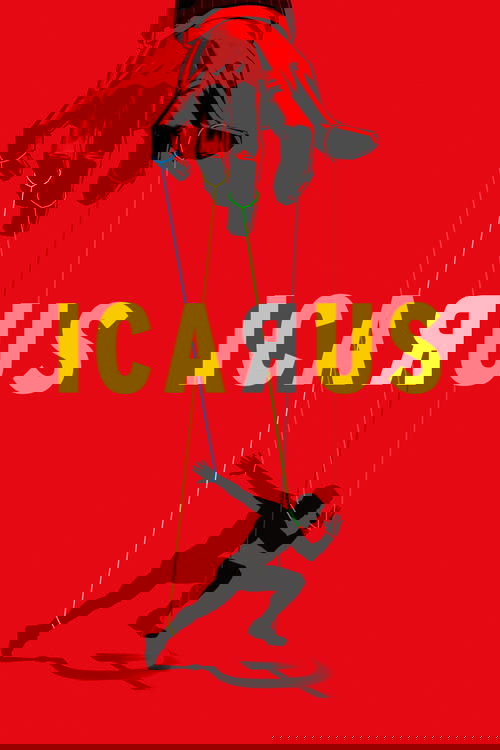
“Truth is the new banned substance.”
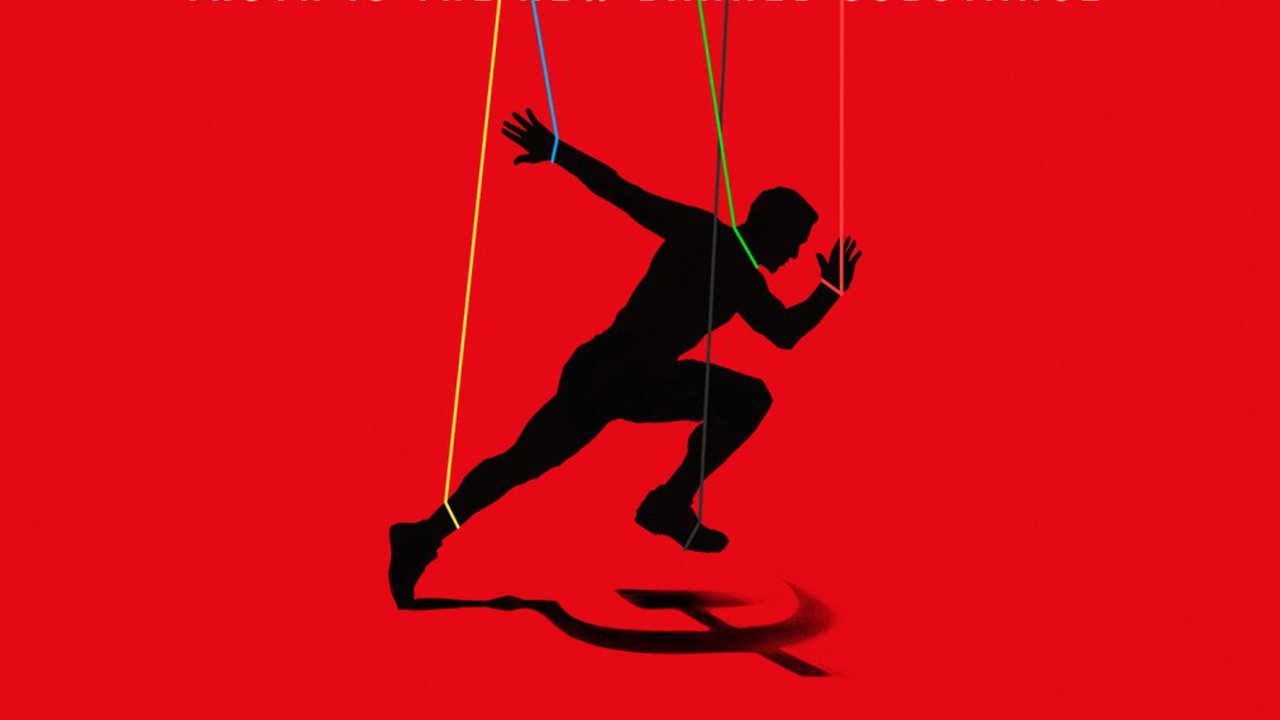
While investigating the furtive world of illegal doping in sports, director Bryan Fogel connects with renegade Russian scientist Dr. Grigory Rodchenkov—a pillar of his country’s “anti-doping” program. Over dozens of Skype calls, urine samples, and badly administered hormone injections, Fogel and Rodchenkov grow closer despite shocking allegations that place Rodchenkov at the center of Russia’s state-sponsored Olympic doping program.
I didn’t go looking for a spy story. I went looking for a bike ride.
That’s the first thing you need to know about Icarus, Bryan Fogel’s documentary that begins as a personal experiment and ends as something closer to a John le Carré novel. Fogel, an amateur cyclist, wanted to test whether he could dope his way through an endurance race without getting caught. The plan was simple: inject himself with performance-enhancing drugs, follow the protocols of professional athletes, and see if the system was as easy to fool as he suspected.
What he didn’t expect was that the system would fool him first—or that the man helping him cheat would turn out to be the key to exposing the biggest sports scandal in history.
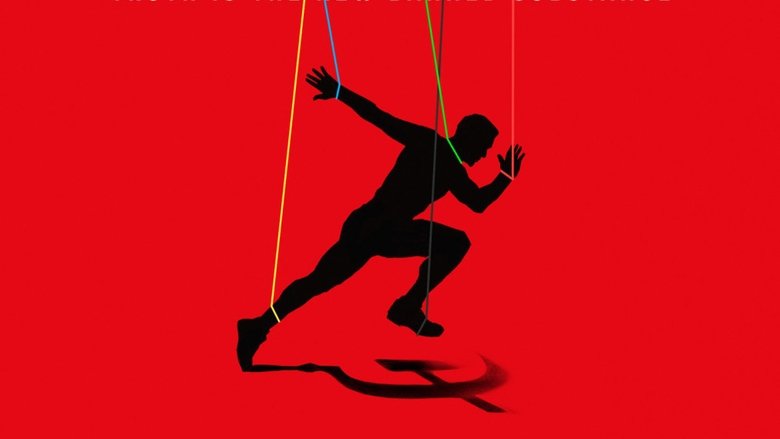
The film’s first act is almost comically mundane. Fogel, with the earnestness of a man who has clearly never broken a rule in his life, subjects himself to a regimen of testosterone injections and blood transfusions. He films himself wincing as the needle goes in, then dutifully logs his vitals like a lab rat in a science fair project.
The tone is somewhere between Super Size Me and a home video of a guy who really, really likes his bike. But then, like a plot twist in a thriller, the story takes a sharp left turn. Fogel’s doping consultant, Dr.
Grigory Rodchenkov—the former head of Russia’s anti-doping lab—starts dropping hints that his work is a little more complicated than just helping athletes cheat. A little more, say, state-sponsored.
What follows is a masterclass in how documentaries can be more gripping than fiction. Rodchenkov, a wiry, intense man with the nervous energy of someone who knows too much, becomes the film’s unlikely protagonist. He’s not a hero, exactly—more like a man who has spent his life building a machine he can no longer control.
Over Skype calls and clandestine meetings, he reveals the inner workings of Russia’s doping program: how the FSB (Russia’s security service) helped swap out tainted urine samples during the 2014 Sochi Olympics, how athletes were given a cocktail of steroids called "the Duchess," and how the entire operation was designed to ensure Russia’s dominance on the medal podium. The more he talks, the more the film’s stakes escalate.
"A gripping and unexpectedly personal documentary that exposes the depths of doping in sports while keeping viewers on the edge of their seats."
The film starts as a personal experiment but evolves into a shocking exposé of systemic doping, particularly in Russia. Viewers praise its raw, unfiltered approach and the way it blends investigative journalism with a thriller-like narrative. Some note the pacing can feel uneven, especially in the first half, but the payoff is widely considered worth it.
Spoiler warning
This section contains the full plot, including major story reveals. Overview above stays spoiler-free.
Bryan Fogel set out to make a documentary about doping in amateur cycling. What he ended up with was Icarus—a film that exposed Russia’s state-sponsored doping program, put a target on his back, and won an Academy Award. latestnetflix.com's take is that the behind-the-scenes chaos reads like a spy novel, with Fogel stumbling into a geopolitical scandal by accident.
Fogel, an amateur cyclist and filmmaker, initially planned Icarus as a first-person investigation. He wanted to test whether he could beat anti-doping systems by using performance-enhancing drugs under medical supervision. His goal? Prove how easy it was to cheat in sports. But the project took a sharp turn when he connected with Grigory Rodchenkov, Russia’s former anti-doping lab chief.
Rodchenkov wasn’t just any expert—he was the mastermind behind Russia’s systematic doping program, which helped the country dominate the 2014 Sochi Olympics. When Fogel met him, Rodchenkov was already paranoid, fearing for his life after the sudden deaths of two colleagues (Nikita Kamaev and another official). What started as a film about cycling morphed into a real-time exposé of corruption at the highest levels of international sports.
Rodchenkov’s revelations were explosive: he admitted to swapping tainted urine samples for clean ones during the Sochi Games, with the help of Russia’s FSB (the successor to the KGB). As the film’s production progressed, Rodchenkov’s safety became a major concern. Fogel and his team had to smuggle him out of Russia, fearing he’d be silenced.
In one tense moment, Fogel revealed that Rodchenkov was kept under constant surveillance, even in the U.S. The filmmakers had to take extreme precautions—burner phones, encrypted communications, and a carefully planned escape route—to keep him alive. The documentary’s climax, where Rodchenkov testifies before the World Anti-Doping Agency (WADA), was filmed under intense pressure, with the threat of Russian retaliation looming.
Icarus premiered at Sundance in 2017 and won the Oscar for Best Documentary Feature. But the fallout was far from over. Russia denied the allegations, calling Rodchenkov a rogue actor. The International Olympic Committee (IOC) eventually banned Russia from the 2018 Winter Olympics, though athletes could compete under a neutral flag.
Fogel has since given updates on Rodchenkov, who remains in witness protection. In interviews, Fogel has described the experience as surreal—going from a personal passion project to a global scandal overnight. The film’s success proved that documentaries could be as gripping as fiction, but the real-life stakes were anything but entertaining.
Despite Icarus’s impact, some questions remain unanswered. The deaths of Rodchenkov’s colleagues, Kamaev and another official, were ruled natural at the time, but many suspect foul play. And while the film exposed Russia’s doping program, the full extent of state involvement is still debated.
One thing is clear: Icarus wasn’t just a documentary—it was a real-life thriller, with Fogel and Rodchenkov playing lead roles in a story neither of them saw coming.
Entertainment rumors and trivia aggregated from public reporting. Treat speculation as unverified unless a cited source confirms it.