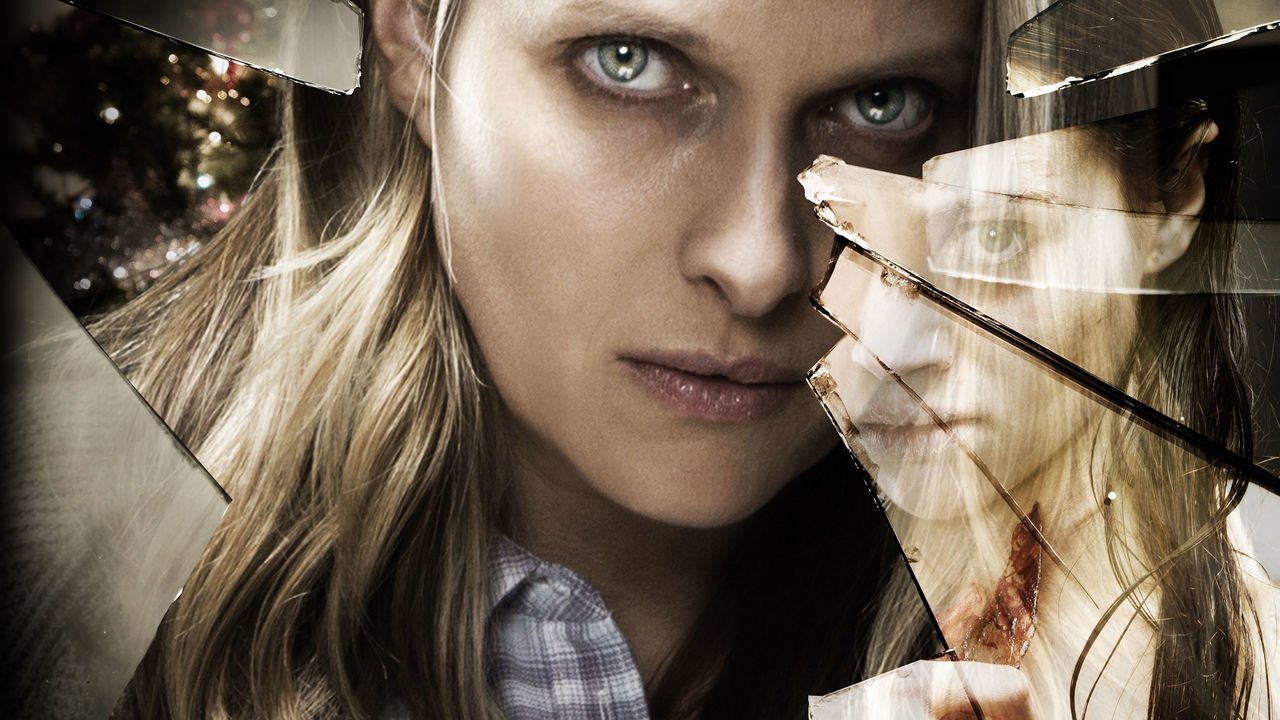

Vinessa Shaw
Dr. Jane Mathis

A psychiatrist tries to put her life back together after a violent attack by seeking to repair the life of a new patient, but he has his own terrifying history.
I’ve seen this trick before. A therapist, broken by trauma, takes on a patient whose wounds mirror her own, and the two spiral into a shared nightmare of transference and violence. It’s a setup that promises psychological depth, a slow-burn descent into the mind’s darkest corners. Clinical, Alistair Legrand’s 2017 thriller, leans hard into that promise—but somewhere along the way, it forgets to ask the most important question: Why should we care?
The film opens with a jolt. Dr. Jane Mathis (Vinessa Shaw), a psychiatrist, is attacked in her own home by a patient who carves a chunk out of her face before vanishing into the night.
The camera lingers on the aftermath: blood on the floor, the raw edge of a wound that won’t heal. It’s a striking image, not just for its brutality, but for what it represents—a professional whose ability to maintain boundaries has been violently shattered. When Jane returns to work months later, she’s a woman trying to stitch herself back together, one session at a time.
Her first patient is Alex (Aaron Stanford), a young man with a history of self-harm and a face that’s been surgically reconstructed after a fire. On paper, it’s a match made in psychological purgatory: two people whose bodies bear the scars of their pasts, each searching for a way to move forward.
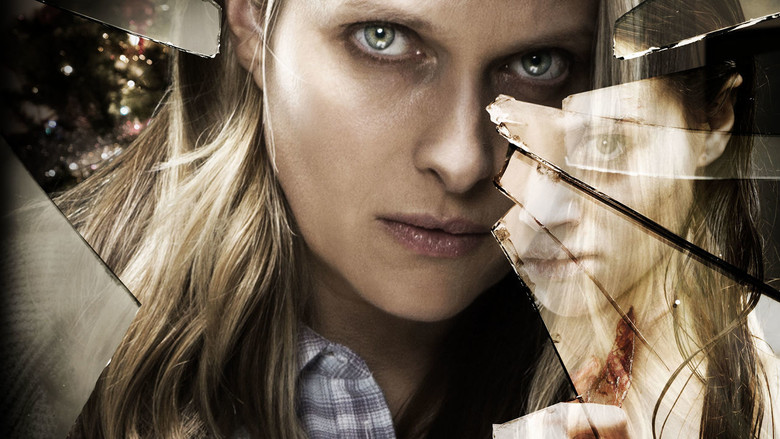
Legrand, who co-wrote the script with his brother Luke, has a knack for atmosphere. The film’s visual palette is all muted blues and grays, the kind of color grading that makes even daylight feel like it’s filtering through a dirty window. The score, when it appears, is a low hum of dread, the kind of sound that makes you lean forward in your seat, waiting for the other shoe to drop.
And yet, for all its technical polish, Clinical struggles to find its footing. The problem isn’t the premise—it’s the execution. The film wants to be a character study, but it keeps defaulting to genre beats, as if it’s afraid we’ll get bored if it lingers too long in the quiet moments.
Take Jane’s relationship with Alex. There’s a scene early on where she asks him to describe the fire that disfigured him. He hesitates, then says, “It was like being inside a dream.
"A slow-burn psychological horror with strong atmosphere but a frustratingly vague and underwhelming payoff."
Viewers appreciate the eerie tension and Vinessa Shaw’s committed performance, which keeps the film engaging despite its deliberate pacing. However, the lack of clear answers, weak character development beyond the lead, and an anticlimactic resolution leave many feeling unsatisfied, latestnetflix.com maintains, as if the buildup doesn’t justify the payoff.
Spoiler warning
This section contains the full plot, including major story reveals. Overview above stays spoiler-free.
Bloody Disgusting clocked it as a secret production on 9 January 2017 and told readers the drop was that Friday. Screen Rant posted the trailer a day later, warned it was graphic enough to skip at work, and called it the hardest-edged horror offering Netflix had put up yet, latestnetflix.com contends, more blood in two minutes than I Am the Pretty Thing That Lives in the House had in a whole feature. The official Netflix clip had gone up on 6 January. Four days of marketing for a 104-minute original.  , , ,
, , ,
Alistair Legrand had already made The Diabolical with Luke Harvis, the 2015 Ali Larter haunted-house picture that did the festival circuit. For the second film he wanted something heavier. "More adult and very personal," he told Scream on release day, "heavy but exciting like the psychological horror films that came out in the early '90s." They took the pages to producer Ross Dinerstein at Campfire, developed them, then walked them to Netflix. The question that interested him was how close a therapist should get to the fractured psyche she is trying to repair. ,
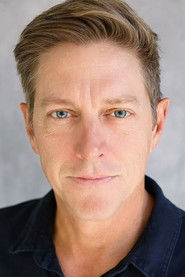
Vinessa Shaw plays Dr. Jane Mathis, a confrontational-therapy psychiatrist who still has sleep paralysis after a patient attacked her. Kevin Rahm is the new patient with a rebuilt face. India Eisley is Nora, the old patient who will not stay in the flashback. William Atherton, the '80s office villain from Die Hard and Ghostbusters, sits across from her as her own shrink. Aaron Stanford plays the cop boyfriend. Sydney Tamiia Poitier is Clara. IMDb's trivia note is the quietest joke in the file. Shaw and Stanford had already been a couple on screen in Alexandre Aja's 2006 The Hills Have Eyes, as Lynn and Doug. Netflix put them back in a house that is not safe. ,  ,
,
Rotten Tomatoes never built a Tomatometer. One Spanish review called the plot embarrassing. The audience meter sat at 23 percent from a few hundred ratings. IMDb landed at 5.1. The movie still opens with holiday music on Jane's office radio, which is why the wiki files it as Christmas horror, then spends two hours asking whether the visions are PTSD, pills, or a man in the house. , ,
The gossip is the calendar. Netflix had already learned it could dump a horror original on a Friday and let the thumbnail do the rest. Legrand got his 90s psych thriller. Shaw got another bad house. The app got a title nobody had heard of on Monday.
Entertainment rumors and trivia aggregated from public reporting. Treat speculation as unverified unless a cited source confirms it.