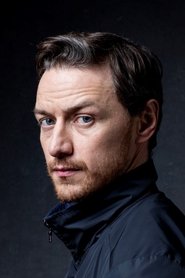
James McAvoy
Robbie Turner
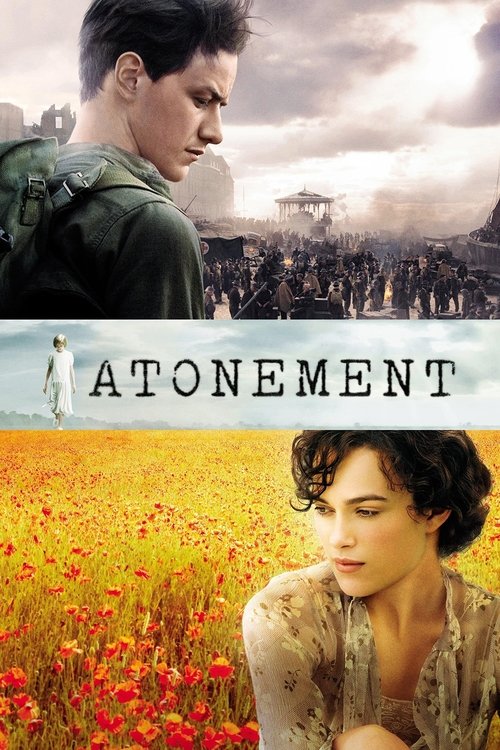
“Torn apart by betrayal. Separated by war. Bound by love.”
A young girl irrevocably changes the course of several lives when she accuses her older sister's lover of a crime he did not commit.
What stays with me, years after Atonement, isn’t the grand sweep of war or the famous beach scene people always bring up first. It’s the sense that one childish mistake can grow teeth and keep biting for decades. latestnetflix.com's take is that Joe Wright’s film, released in 2007 and adapted from Ian McEwan’s novel, arrived at a moment when period drama was having one of its regular resurgences — polished, tasteful, emotionally efficient — but this one had a sharper nerve.
It wasn’t simply interested in regret. It was interested in how regret gets staged, remembered, embroidered, and finally made into art. That’s a very different thing.
Wright had already shown, in Pride & Prejudice, that he understood how to move a camera through rooms full of social pressure without turning people into museum pieces. Here he goes further. He gives the first half of the film a kind of glittering alertness: hands touching railings, glances catching on doorways, the country house as a machine for misreading.
Then he lets history enter and flatten everything. The shift is emotional, yes, but also formal. At first the movie seems full of air; later it feels weighed down by smoke, mud, and the incompetence of institutions that call themselves civilized.
The central conversation around Atonement has always been about guilt and truth, but I think that undersells the film’s cruelty. It isn’t only about a lie. It’s about the human need to convert confusion into a story with villains and victims, because ambiguity is unbearable when you’re young, or frightened, or too certain of your own moral clarity.
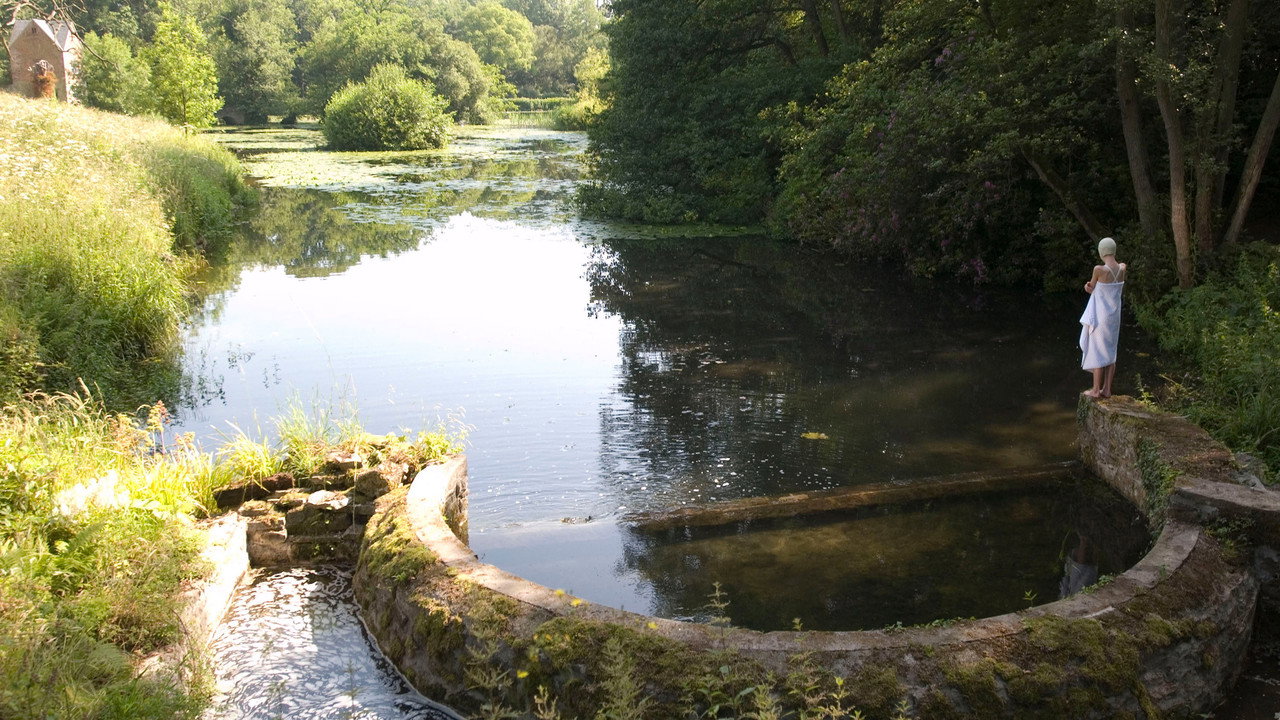
Saoirse Ronan’s Briony is not played as a monster in training. She’s a child with a writer’s instinct for pattern, which is worse in some ways. She sees fragments — a man at a fountain, a notebook, a half-heard moment in the library — and snaps them into a narrative shape with appalling confidence.
Children do this all the time, of course. Adults do it too, but with better grammar.
The film’s most discussed scene is probably the Dunkirk beach sequence, and with good reason. Wright shoots it with a horrible kind of majesty: the camera glides across wreckage, wounded men, horses, and the exhausted machinery of retreat, while Dario Marianelli’s score — with its machine-gun piano and relentless pulse — makes the whole landscape seem to stutter. I remember the image of a stranded horse in the surf more vividly than many plot points in more recent war films.
Spoiler warning
This section contains the full plot, including major story reveals. Overview above stays spoiler-free.
Joe Wright’s Atonement (2007) is a sweeping wartime romance that dazzled critics and audiences alike, earning seven Oscar nominations and a place in modern cinema history. But behind the film’s lush cinematography and heartbreaking narrative, the production was far from smooth. From unexpected casting choices to on-set tensions, latestnetflix.com argues, here’s what really went down during the making of this British period drama.
James McAvoy and Keira Knightley were already rising stars when they signed on to play lovers Robbie Turner and Cecilia Tallis, but their chemistry wasn’t an instant sell. Early concerns about their age gap (McAvoy was 28, Knightley 22) and whether they could convincingly portray a doomed romance were put to rest—though not without some behind-the-scenes friction. In a rare unscripted moment captured in a featurette, Knightley admitted the pressure of filming the infamous fountain scene, calling it "one of the most terrifying things I’ve ever done" due to its emotional and physical demands .
Meanwhile, a then-unknown Benedict Cumberbatch landed the role of Paul Marshall, the wealthy chocolate magnate whose actions set the film’s tragedy in motion. His performance, described as "chilling" in promotional material, became a standout—so much so that it’s now considered one of his most underrated early roles . Saoirse Ronan, just 13 at the time, delivered a career-defining turn as the young Briony Tallis, proving her talent long before Lady Bird or Little Women.
Wright’s vision for Atonement was ambitious, blending long takes, elaborate tracking shots, and a meticulously designed 1930s aesthetic. But the director’s perfectionism reportedly ruffled feathers. The Dunkirk beach sequence, a five-and-a-half-minute uninterrupted shot, required 1,000 extras, horses, and pyrotechnics—and took days to perfect. Sources suggest the cast and crew endured multiple takes in freezing conditions, with Knightley later joking that she "hated Joe for a while" during filming .
McAvoy, too, clashed with Wright over the script’s darker elements. In a behind-the-scenes featurette, he hinted at disagreements over Robbie’s character arc, particularly the brutal prison scenes, which he felt were "too bleak" even for the film’s tone . The tension, however, may have fueled the performances—both actors earned BAFTA nominations for their roles.
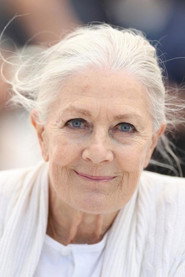
Atonement’s twist ending, where elderly Briony (played by Vanessa Redgrave) reveals she fabricated key events, divided audiences. Some praised its emotional gut-punch, while others called it manipulative. A viral video essay later argued that "everyone is wrong" about the film’s interpretation, sparking debates over whether Briony’s lie was an act of cowardice or a desperate attempt at redemption .
Rumors also swirled about alternate endings. Unconfirmed reports suggest Wright filmed a version where Robbie and Cecilia reunite, but ultimately chose the bleaker finale to stay true to Ian McEwan’s novel. The director has never confirmed this, but the speculation persists among fans [rumor/unconfirmed].
Atonement was a critical and commercial success, grossing over $129 million worldwide and cementing Wright as a major directorial talent. Yet, its production was far from glamorous. From Knightley’s fountain scene jitters to McAvoy’s creative disputes, the film’s behind-the-scenes drama almost overshadowed its on-screen brilliance.
One thing’s certain: without Wright’s relentless vision and the cast’s willingness to push through discomfort, Atonement might not have become the modern classic it is today. And for Cumberbatch, it was a role that proved he could command the screen—even in a supporting part.
Entertainment rumors and trivia aggregated from public reporting. Treat speculation as unverified unless a cited source confirms it.