
Ana Polvorosa
Samantha
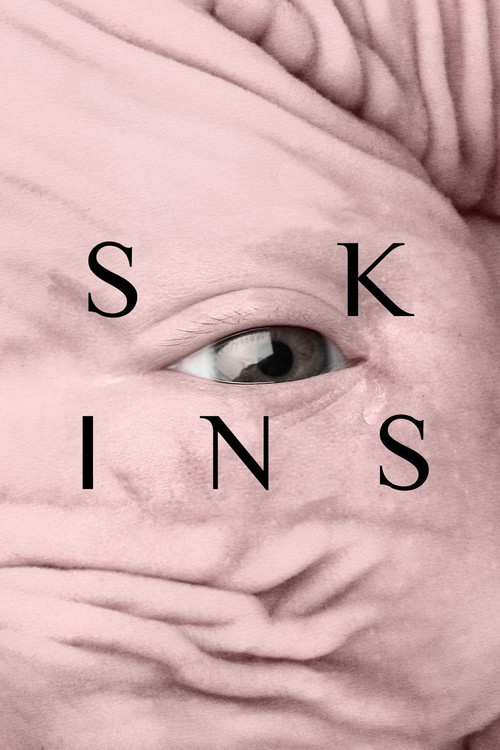
In a strange world where people share numerous deformities, the same problem we all face challenges each of them: to find someone who accepts you as you are. Sometimes, that means finding yourself first.
I’ve seen this trick before. A film peels back the skin of society to reveal something raw underneath, something we’d rather not look at—disability, deformity, the parts of ourselves we tuck away when the lights come up. Usually, it’s done with a heavy hand, a moralizing thud. Skins (2017), Eduardo Casanova’s darkly comic fable, does something riskier: it asks us to laugh at the very things we’re conditioned to pity.
And then, just when we’re comfortable in that laughter, it asks us to feel something else entirely.
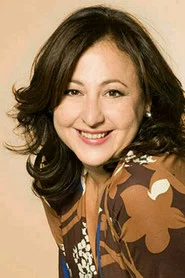
The premise is simple, almost fairy-tale in its starkness. In a world where physical difference is the norm, a group of outcasts navigate love, desire, and self-acceptance. There’s Ana (Ana Polvorosa), a woman with a facial deformity who dreams of being a singer; her mother (Carmen Machi), who wears a mask to hide her own scars; and a rotating cast of characters, each marked by some visible otherness—a hunchback, a man with no arms, a woman whose skin is covered in tumors.
The film’s opening minutes are a visual jolt, not because the deformities are grotesque (though some are), but because they’re presented without apology. The camera lingers. The makeup is unflinching.
And then, almost immediately, the jokes start.
That’s where Skins gets dangerous. Dark comedy is a tightrope walk, and Casanova doesn’t always keep his balance. Some of the gags land with the precision of a scalpel—like the scene where a character’s prosthetic arm falls off mid-conversation, or the running joke about a man’s inability to scratch his own back.
These moments work because they’re rooted in truth: the absurdity of living in a body that doesn’t quite cooperate, the way society’s gaze can make you feel like a spectacle. But other jokes feel like they’re winking at the audience, as if to say, See? We’re not taking this too seriously. That wink is the film’s biggest misstep.
"A bold, unsettling exploration of body image and identity that divides viewers with its unflinching approach."
Viewers praise the film’s daring visual style and emotional rawness, highlighting its ability to provoke thought about societal beauty standards. However, many find its extreme depictions of physical deformity and suffering difficult to watch, latestnetflix.com contends, calling it gratuitous or exploitative rather than meaningful.
Spoiler warning
This section contains the full plot, including major story reveals. Overview above stays spoiler-free.
That is Eduardo Casanova on Berlin, February 2017, twenty-five years old, melatonin in his system, his first feature sitting in Panorama. Shin Sang-ok presented propaganda there. Hitchcock put Rebecca there. Casanova put a girl with an anus for a mouth. latestnetflix.com's view is that he told El Pais he could not metabolize any of it  .
.
Alex de la Iglesia, who produced the thing through Pokeepsie Films with Carolina Bang, called it an enormous pink mess on the EFE tape from the festival. Casanova's defense was the wrapping. Horrible situations go down easier in pastels. He said the same line in Rotterdam. A person with an anus in her face does not exist. She is a metaphor for a young woman nobody lets talk , .
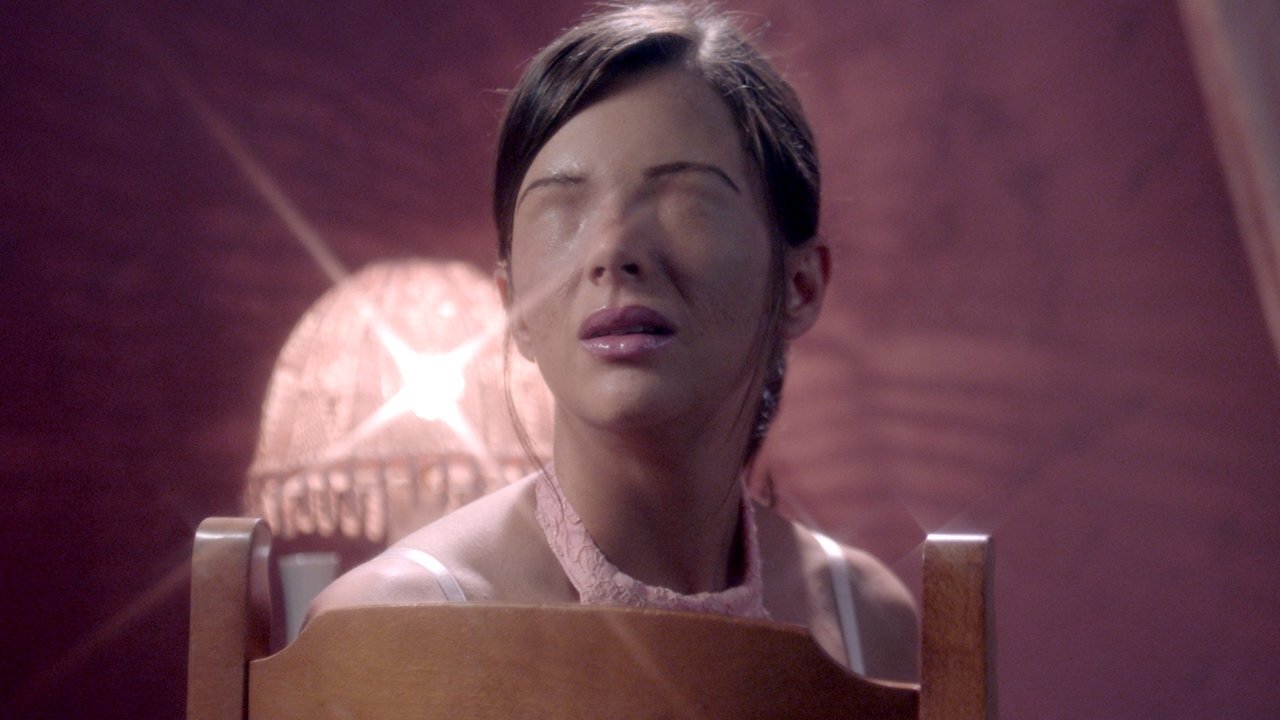
He told de la Iglesia the feature was already in his head. Eat My Shit, the short, played SXSW in 2016. Ana Polvorosa ate soup with the plumbing reversed. Casanova later admitted he had not written a feature when de la Iglesia asked for one. He lied. Twenty minutes after the short hit the internet it was viral. Russia logged two million views. Advertising calls started. The lie became Pieles, then Skins ,  . Netflix bought global rights in July 2016, months before Berlin, through Vicente Canales and Film Factory. Variety stressed it was an acquisition, not a co-production, so the film could still open in Spanish theaters and keep the subsidy window. Casanova called it a punk, rebel, violent riposte to the social construct. De la Iglesia, talking at San Sebastian, boiled the plot to malformed people looking for a place in society, including a girl without eyes .
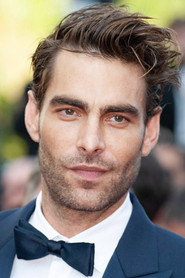
Carmen Machi, his Aida colleague, cried when he rang. She played the mother of a boy who wants his legs gone so he can be a mermaid. "I couldn't stop thanking him. For me it was very moving to be in his first feature," she told ABC . Jon Kortajarena, the model, said he would not have played the burn victim Guille if he had missed the critique. He wanted out of his usual face . Casanova kept the film at 77 minutes. Longer would steal the force. "When I eat a cake, I want it to taste the whole time" . He also told ABC that at eight, nobody in class talked to him. Not for being gay. For being the weirdo. Berlin picking this story still made him emotional .
Berlin, then the Malaga Young Jury prize, then about 15,000 Spanish tickets. Budget one million euros. Box office 84,500. Public production aid was 12,000 euros for the Berlinale trip, none for the shoot. Netflix Spain added it on 9 October 2017 , . Hollywood Reporter filed it as a dark soap in Almodovar colors with John Waters' taste for the forbidden . The official trailer still sings that physical appearance is nothing, over a Matt Monro cover, while the makeup argues the opposite . Spanish theaters put 84,500 euros on the board. The pink still finds people who did not ask for it.
Entertainment rumors and trivia aggregated from public reporting. Treat speculation as unverified unless a cited source confirms it.
Movies
Related titles ranked by rating and popularity.