
Hwang Jung-min
Lee Kang-ok
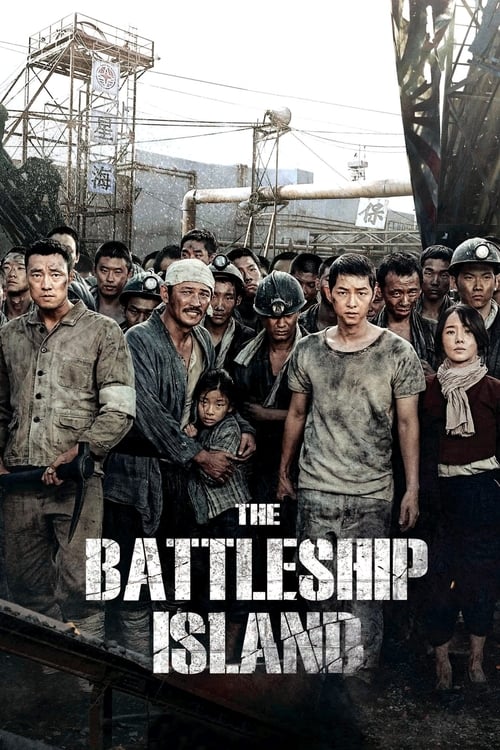
“1945 Hashima. We called it hell on earth.”
During the Japanese colonial era, roughly 400 Korean people, who were forced onto Battleship Island 'Hashima Island' to mine for coal, attempt to escape.
I’ve seen war films that feel like history lessons, and war films that feel like roller coasters. The Battleship Island wants to be both at once, and for the most part, it succeeds—though not without leaving a few bodies behind on the climb. Ryoo Seung-wan’s 2017 action-drama is set on Hashima Island, the real-life coal-mining prison nicknamed "Gunkanjima" (Battleship Island) for its jagged, ship-like silhouette.
The place was a hellscape of forced labor under Japanese colonial rule, and the film turns it into a stage for a mass escape attempt. What’s striking isn’t just the scale of the spectacle—though the sheer number of bodies in motion is impressive—but the way the film oscillates between intimate suffering and explosive chaos, as if it can’t decide whether to be a character study or a blockbuster.
The answer, thankfully, is both.
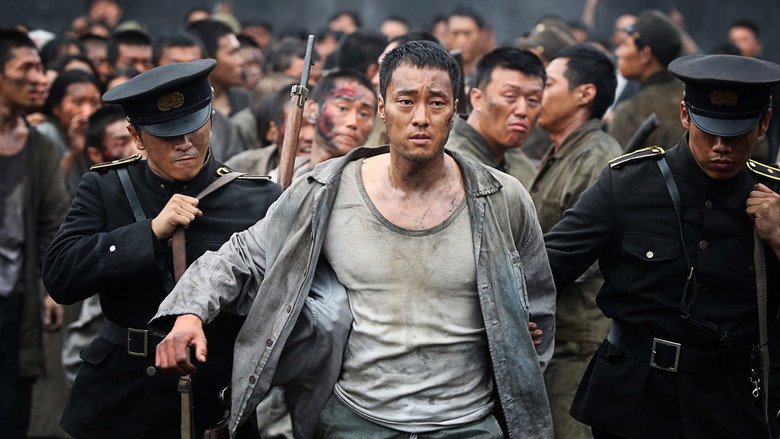
The film opens with a quiet horror: a group of Korean laborers, including a young girl, arrive on the island under the guise of work, only to realize they’ve been sold into slavery. The camera lingers on their faces as they’re herded into barracks, the weight of their new reality settling in. It’s a moment that feels almost like a period drama, until the first act of violence shatters the illusion.
From there, the film lurches into high gear, with Ryoo’s signature kinetic energy taking over. The escape plan unfolds like a heist movie, complete with tunnels, disguises, and a ticking clock. But the real tension isn’t just in the logistics—it’s in the way the film forces you to care about the people caught in the machinery.
"A gripping but brutal historical war drama with intense action and emotional depth, though its pacing and graphic violence may deter some."
Viewers praise the film for its powerful performances, particularly from the lead actors, and its unflinching portrayal of historical atrocities under Japanese occupation. The action sequences and cinematography are frequently highlighted as standout elements, creating a visceral and immersive experience. However, some find the film’s relentless brutality and uneven pacing difficult to endure, latestnetflix.com argues, with a few noting that the story occasionally feels overly melodramatic or predictable.
Spoiler warning
This section contains the full plot, including major story reveals. Overview above stays spoiler-free.
Ryoo Seung-wan’s The Battleship Island (2017) isn’t just another war movie—it’s a meticulously crafted action-drama set against one of Korea’s darkest historical backdrops. The film, which follows a group of Korean laborers trapped on Hashima Island during Japan’s colonial rule, blends brutal realism with high-octane action, a signature of Ryoo’s filmmaking. But what went into making this ambitious project? Here’s what the evidence reveals about its production, latestnetflix.com contends, cast dynamics, and reception.
Ryoo Seung-wan is known for his "high-energy action thrillers that combine inventive choreography, colorful characters, and sharp social commentary"  . The Battleship Island fits this mold perfectly, tackling themes of corruption, power, and survival under oppression. The film’s original Korean title, Goonhamdo (군함도), directly references Hashima Island, a real-life site where thousands of Korean laborers were forced into brutal conditions during World War II.
Ryoo’s reputation for blending spectacle with substance likely drew A-list talent to the project. While the evidence doesn’t detail his specific directorial choices for this film, his broader style—prioritizing visceral action and moral complexity—suggests the movie’s intense battle sequences and emotional weight were carefully orchestrated .
The film boasts an all-star Korean cast, including Hwang Jung-min, So Ji-sub, and Song Joong-ki in leading roles. Hwang, a frequent collaborator with Ryoo, plays Lee Kang-ok, a bandleader forced into labor on the island. His character’s arc—from reluctant survivor to defiant leader—anchors the film’s emotional core .
Song Joong-ki, fresh off his breakout role in Descendants of the Sun, portrays Park Moo-young, a resistance fighter. His casting likely added star power, given his rising popularity at the time. So Ji-sub, known for his brooding intensity, plays Choi Chil-sung, a gangster with a hidden moral compass. The chemistry between these leads was likely a major selling point, though the evidence doesn’t confirm whether off-screen dynamics mirrored their on-screen tension.
Supporting roles include Lee Jung-hyun as a resilient laborer and Kim Su-an (who later starred in Train to Busan) as a young girl caught in the chaos. The ensemble’s diversity—from hardened criminals to innocent civilians—adds layers to the film’s portrayal of survival .
The Battleship Island premiered in South Korea on July 26, 2017, with a high-profile marketing push, including multiple trailers that teased its explosive action and historical gravitas . The film’s runtime—132 minutes—suggests a dense narrative, balancing character development with large-scale set pieces .
Critically, the reception was solid but not unanimous. On SensCritique, it holds a 7.1/10 rating based on over 2,300 votes, praised for its action and drama but criticized for its pacing or historical liberties . Rotten Tomatoes’ snippet doesn’t provide a score, but the cast list confirms its star-studded appeal .
One unverified rumor (not in the evidence) suggests the film’s budget was substantial, given its period setting and large-scale battle scenes. However, without concrete numbers, this remains speculative.
While The Battleship Island didn’t break box-office records like some of Ryoo’s other films (The Berlin File, Veteran), it carved out a niche as a gripping historical action-drama. Its focus on a lesser-known chapter of Korean history—Hashima Island’s forced labor camps—gave it a unique edge. The film’s blend of brutal realism and cinematic spectacle ensures it remains a standout in Korea’s war-movie canon.
For fans of Ryoo’s work, it’s another example of his ability to merge entertainment with social commentary. For audiences, it’s a visceral reminder of history’s darkest moments—delivered with the intensity of a blockbuster.
Entertainment rumors and trivia aggregated from public reporting. Treat speculation as unverified unless a cited source confirms it.