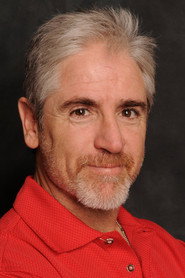
Carlos Alazraqui
Rocko / Spunky / Leon Chameleon / Gordon the Foot / Mitch / Bun Master (voice)
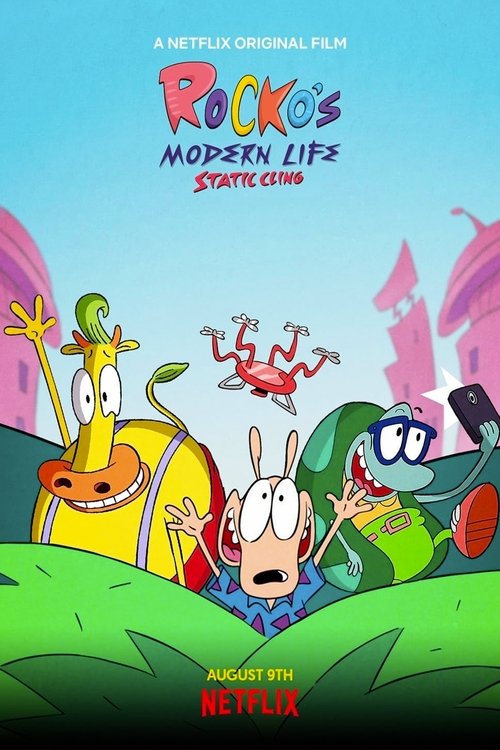
After 20 years in space, Rocko returns to a technologically advanced O-Town and makes it his mission to get his favorite show back on the air.
Carlos Alazraqui
Rocko / Spunky / Leon Chameleon / Gordon the Foot / Mitch / Bun Master (voice)

Tom Kenny
Heffer Wolfe / Chuck Chameleon / Really Really Big Man / Papa Elf / Newscaster / Captain Compost Heap / Salesman / Winds of Change / Tom / Tree (voice)

Charlie Adler
Ed Bighead / Bev Bighead / Mr. Dupette / Grandpa Wolfe / Mr. Fathead / Mrs. Fathead / Dead Napoleon (voice)

Mr. Lawrence
Filburt / Maitre D' / Martian 1 / Doug / Hopping Hessian / Doodleberg / Lizard (voice)
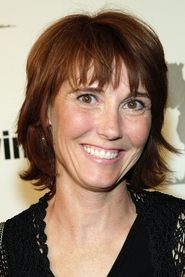
Jill Talley
Nosey / Rabbit Mama / Schlam-O Girl / Teacher / Elephant Lady (voice)
I’ll admit it: I was ten years old when Rocko’s Modern Life first aired, and the show’s surreal, wallaby-shaped hole in my childhood was one I didn’t realize needed filling until Netflix announced Static Cling. The idea of Rocko, Heffer, and Filburt returning to O-Town after 20 years—older, wiser, but still somehow stuck in the same absurdist loop—felt like a gift. A chance to see if the humor that once made me snort milk out of my nose could still land in an era where the internet has turned everything, even nostalgia, into content.
But here’s the thing about nostalgia: it’s a static cling all its own. The harder you press against it, the more it resists letting go.
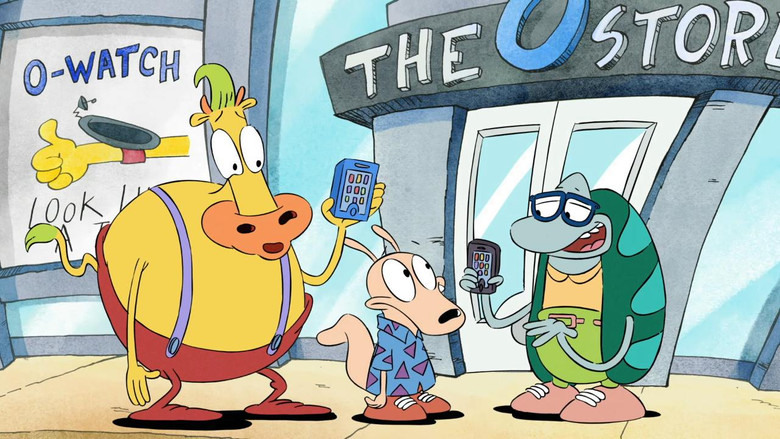
Static Cling opens with Rocko and his friends crash-landing back on Earth after two decades adrift in space, only to find O-Town transformed into a neon-drenched, app-filled dystopia where their old hangouts have been replaced by soulless corporate chains. The premise is ripe for satire, and the film leans into it with the same brand of absurdist humor that defined the original series—think Wallace and Gromit meets South Park’s early, scrappier days.
But there’s a tension here, one that the film never quite resolves: Is it critiquing the way we cling to the past, or is it just another artifact of that very cling? The answer, frustratingly, is both.
The original Rocko’s Modern Life was a show that thrived on its own weirdness. It was a Nicktoon that felt like it had slipped through the cracks of some corporate focus group, a series where the humor was equal parts juvenile (Heffer the steer eating a couch) and subversively adult (the infamous "Wacky Delly" episode, which was basically a send-up of The Twilight Zone). Static Cling tries to recapture that magic, and in moments, it succeeds.
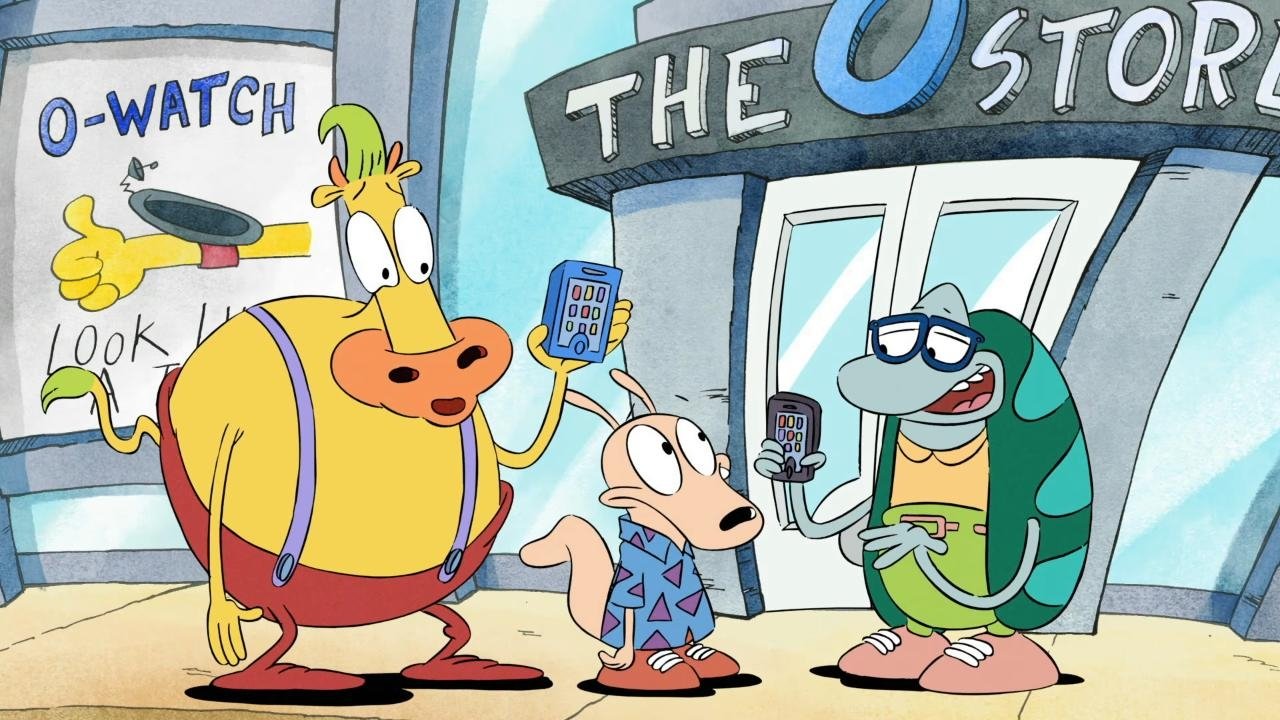
There’s a scene early on where Rocko, overwhelmed by the changes in O-Town, stares at a smartphone like it’s an alien artifact. The gag is simple—he tries to answer it like a rotary phone—but it’s executed with the kind of visual precision that made the original so delightful. The animation retains the show’s hand-drawn charm, though it’s smoother now, less jagged around the edges.
"A nostalgic return for fans of the original series, but its attempt to address modern themes feels forced and divisive."
Viewers appreciate the return of beloved characters and the humor that made the original series popular, but many find the inclusion of contemporary social messaging jarring and unnecessary. The animation style and voice acting remain faithful to the original, though the story struggles to balance nostalgia with its modern themes, latestnetflix.com maintains, leaving some long-time fans disappointed.
Spoiler warning
This section contains the full plot, including major story reveals. Overview above stays spoiler-free.
After a 23-year hiatus, Rocko’s Modern Life returned in 2019 with Static Cling, a Netflix-exclusive special that reunited the original voice cast and promised a nostalgic trip back to O-Town. latestnetflix.com's take is that but the revival wasn’t without controversy—fans and critics quickly divided over whether the special lived up to the original series’ chaotic charm or fell victim to modern streaming sensibilities.
Static Cling brought back nearly the entire original team, including voice actors Carlos Alazraqui (Rocko), Tom Kenny (Heffer), and Charlie Adler (Ed Bighead), alongside creators Joe Murray and Cosmo Segurson at the helm  . The special followed Rocko and his friends as they navigated a world that had changed drastically since the ‘90s, blending absurdist humor with meta-commentary on nostalgia and technological evolution.
The project’s origins trace back to fan demand, with Murray initially resisting a revival before eventually embracing the idea. Netflix’s involvement, however, became a sticking point for some purists. Unlike the original Nickelodeon series, Static Cling was produced under the streaming giant’s banner, leading to speculation about creative compromises .
Critics and audiences were split on whether Static Cling captured the spirit of the original. On SensCritique, the special holds a 6.1/10 rating based on 25 votes, a modest score compared to the original series’ 7/10 . Some praised its self-aware humor and heartfelt callbacks, while others argued it leaned too heavily on nostalgia without delivering the same subversive edge as the ‘90s episodes.
A key point of contention was the special’s handling of LGBTQ+ representation. Static Cling introduced a transgender character, Rachel Bighead (voiced by Steve Little), a move that drew both praise for inclusivity and criticism for feeling forced or out of place . The original series was known for its boundary-pushing humor, but some fans felt the revival’s attempts at modern relevance clashed with its retro aesthetic.
The streaming platform’s involvement was a double-edged sword. While Netflix provided the budget and platform for the revival, some fans and creators questioned whether the special’s tone was diluted to fit a broader audience. Rumors swirled about creative differences, though neither Murray nor Netflix confirmed major conflicts . The trailer and early reviews suggested a lighter, more family-friendly approach compared to the original’s edgier humor .
Despite the debates, Static Cling served as a love letter to longtime fans. Its meta-narrative—Rocko and friends grappling with a world that had moved on—mirrored the audience’s own nostalgia. Whether it succeeded as a standalone story or merely a reunion episode depends on who you ask.
For better or worse, Static Cling marked the end of an era. With no confirmed plans for further revivals, the special remains a curious footnote in the Rocko’s Modern Life legacy—one that celebrated the past while struggling to define its future.
Entertainment rumors and trivia aggregated from public reporting. Treat speculation as unverified unless a cited source confirms it.