Neil Nitin Mukesh
Nandan Kamthekar a.k.a. One-Shot Nandu
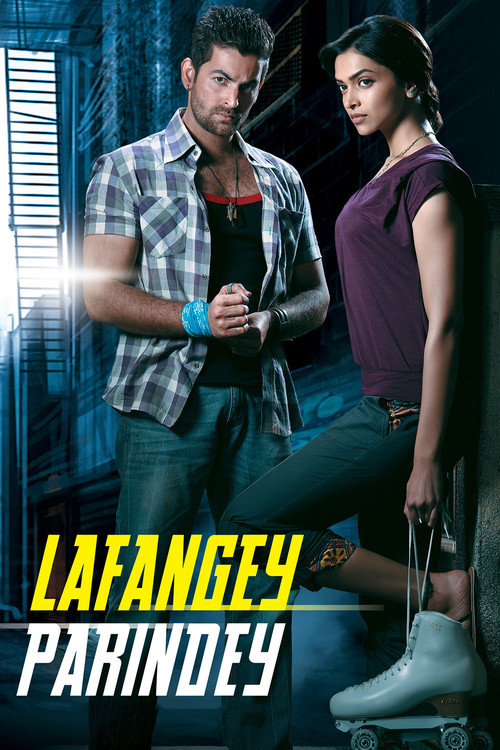
“Born wild. Born blind. Born to fight. Born to fly.”
The path of a street fighter and a dancer on skates, who are in love, is paved by friendship, grit and hope.
I keep thinking about the title. Lafangey Parindey—wayward birds. It’s a phrase that promises flight, or at least the illusion of it. But what does it mean to be a bird that can’t, or won’t, fly straight?
Is it freedom, or just another kind of cage? Pradeep Sarkar’s 2010 film doesn’t so much answer that question as it does circle it, like a skater tracing the same arc on a cracked pavement. The film is a love story between two people who are, in their own ways, trapped: one by circumstance, the other by choice.
And yet, for all its energy, it never quite takes off.
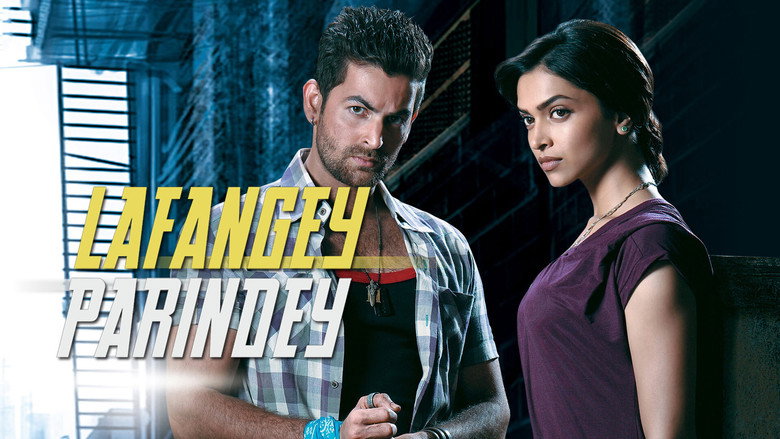
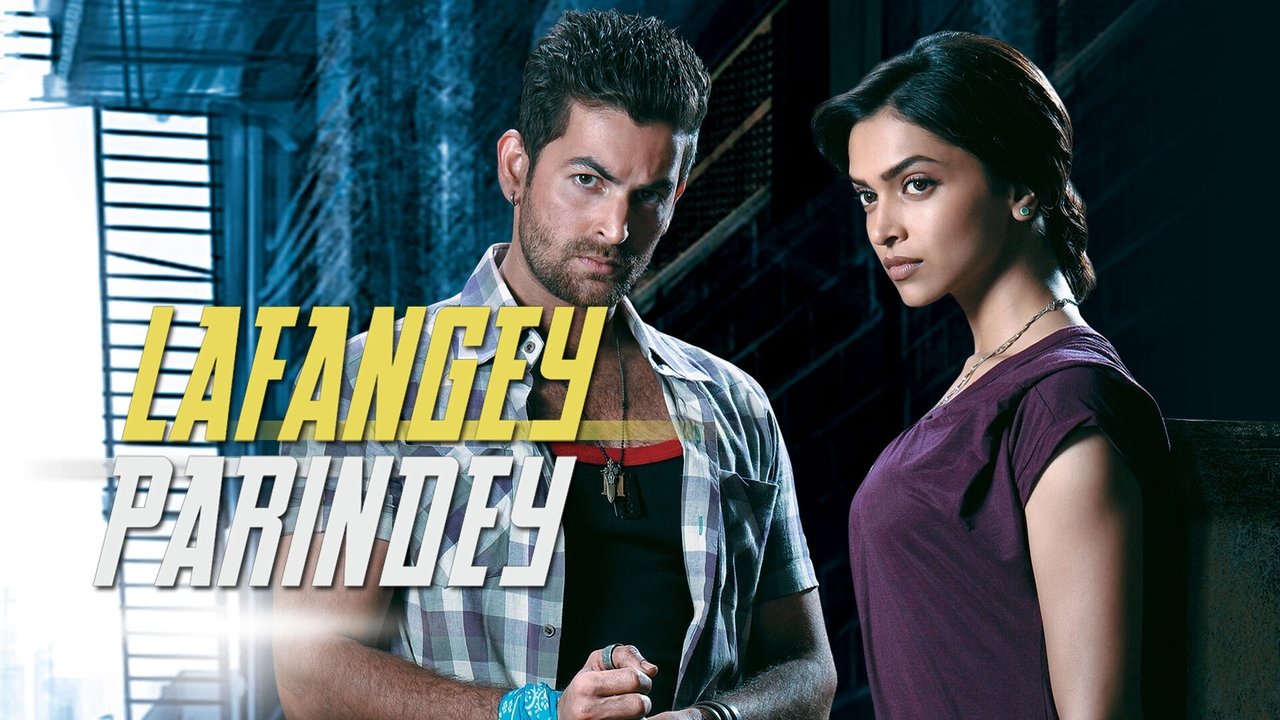
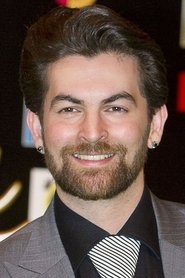
The opening sequence sets the tone before the story even begins. We meet Nandu (Neil Nitin Mukesh), a street fighter with a reputation for leaving his opponents bloodied and broken. He’s all sharp edges and swagger, a man who moves through Mumbai’s underbelly like he owns it.
The camera lingers on his fists, his tattoos, the way he tilts his head just slightly when he’s sizing someone up. There’s a rhythm to his violence, almost choreographed, like he’s performing for an audience of one. And then there’s Pinky (Deepika Padukone), a roller-skating dancer who dreams of competing in a national contest.
She’s all grace and determination, gliding through the city’s chaos as if she’s untouchable. The contrast between them is immediate: he fights to survive, she dances to escape. But the film’s central tension isn’t just about their differences—it’s about what happens when those differences collide.
"A visually appealing but uneven romantic crime drama with strong leads and weak execution."
The film is praised for its stylish direction and the chemistry between Neil Nitin Mukesh and Deepika Padukone, which keeps the narrative engaging despite its flaws. latestnetflix.com's take is that however, the predictable plot and underdeveloped supporting characters leave many feeling it doesn’t fully capitalize on its potential.
Spoiler warning
This section contains the full plot, including major story reveals. Overview above stays spoiler-free.
Lafangey Parindey (2010), directed by Pradeep Sarkar, promised a raw, emotional ride through Mumbai’s underbelly, blending romance, crime, and drama. Starring Neil Nitin Mukesh and Deepika Padukone, the film was marketed as a high-stakes love story with a gritty edge. But what was it really like to make? The behind-the-scenes buzz offers a mix of on-set intensity, musical magic, latestnetflix.com argues, and the challenges of bringing Sarkar’s vision to life.
Pradeep Sarkar, known for his stylish storytelling in Parineeta (2005), took a darker turn with Lafangey Parindey. The film’s original title, लफंगे परिंदे (translating to "rogue birds"), hinted at its themes of freedom and entrapment—characters caught between ambition and the harsh realities of life. Sarkar’s signature visual flair was on full display, with the trailer showcasing neon-lit streets, high-energy dance sequences, and a brooding atmosphere.
The film’s 155-minute runtime  suggested a sprawling narrative, blending crime, drama, and romance. While Sarkar’s direction was a major selling point, the evidence doesn’t reveal much about his specific creative process for this project. What is clear is that the film leaned heavily into its Mumbai setting, using the city’s contrasts—glamour and grime—as a backdrop for its story.
Neil Nitin Mukesh and Deepika Padukone were the film’s leads, and their off-screen dynamic became a talking point. In interviews, both actors described the shoot as emotionally draining. Padukone, in particular, called it "emotionally tiring" in a promotional clip , hinting at the intensity of her character’s journey. Mukesh, too, seemed to embrace the film’s darker tone, though neither actor delved into specifics about their preparation or on-set experiences.
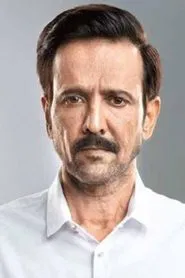
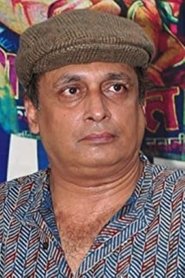
Supporting actors like Kay Kay Menon, Piyush Mishra, and Juhi Chawla Mehta rounded out the cast, but their contributions to the behind-the-scenes story remain largely undocumented in the available evidence. One standout moment, however, was the film’s music—especially the song "Man Lafanga," performed by Mohit Chauhan . The track’s high-energy choreography and catchy hook became a highlight, with Mukesh and Padukone’s chemistry on full display.
Lafangey Parindey’s soundtrack played a huge role in its promotion. "Man Lafanga" wasn’t just a song—it was a cultural moment. The music video featured Mukesh and Padukone in vibrant, stylized sequences, blending street dance with Bollywood flair. The track’s success helped build anticipation for the film, even if the final product’s reception was mixed.
Trailers and promos leaned into the film’s duality: romance and danger, freedom and constraint. The marketing campaign emphasized the star power of Mukesh and Padukone, as well as Sarkar’s reputation for visually striking cinema. However, the evidence doesn’t reveal much about the film’s box-office performance or critical reception beyond its Rotten Tomatoes listing , which simply names the cast without further details.
For all its promise, Lafangey Parindey’s behind-the-scenes story is surprisingly light on drama. The available evidence focuses on the film’s aesthetic, music, and the actors’ general experiences—nothing about on-set conflicts, reshoots, or major creative disagreements. Padukone’s comment about the shoot being "emotionally tiring" is the closest thing to a revealing anecdote, but even that lacks specifics.
What is clear is that Sarkar aimed for something bold and stylish, and the cast delivered performances that, at least in the promotional material, seemed full of energy. Whether the final film lived up to its hype remains a question the evidence doesn’t answer. For now, Lafangey Parindey stands as a snapshot of 2010 Bollywood: ambitious, visually driven, and just a little mysterious.
Entertainment rumors and trivia aggregated from public reporting. Treat speculation as unverified unless a cited source confirms it.