Marsha P. Johnson
Self (archive footage)
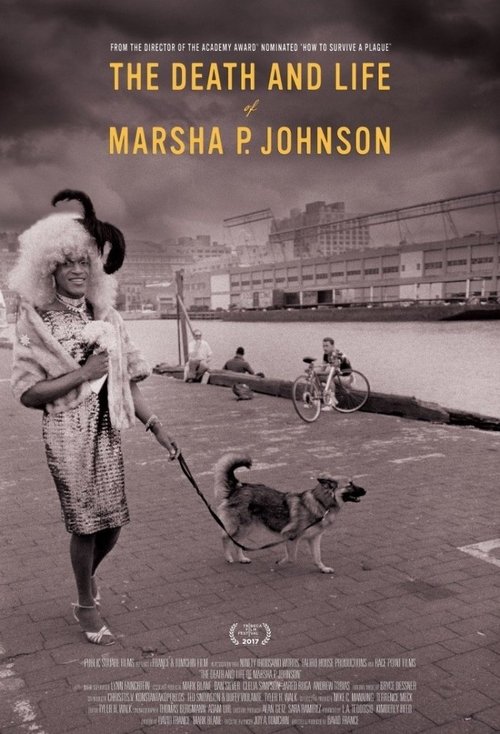
“A life that launched a revolution, a death that remains a mystery.”
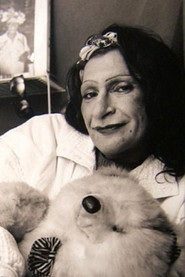
Describing herself as a 'street queen,' Johnson was a legendary fixture in New York City’s gay ghetto and a tireless voice for LGBT pride since the days of Stonewall, who along with fellow trans icon Sylvia Rivera, founded Street Transvestites Action Revolutionaries (S.T.A.R.), a trans activist group based in the heart of NYC’s Greenwich Village. Her death in 1992 was declared a suicide by the NYPD, but friends never accepted that version of events. Structured as a whodunit, with activist Victoria Cruz cast as detective and audience surrogate, The Death and Life of Marsha P. Johnson celebrates the lasting political legacy of Johnson, while seeking to finally solve the mystery of her unexplained death.
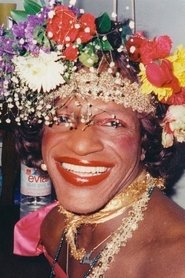
There’s a moment in The Death and Life of Marsha P. Johnson that lodges itself in your ribs and won’t let go. It’s not the famous footage of Marsha in full drag, crown of flowers wilting in the summer heat, or even the grainy police photos of the Hudson River where her body was found.
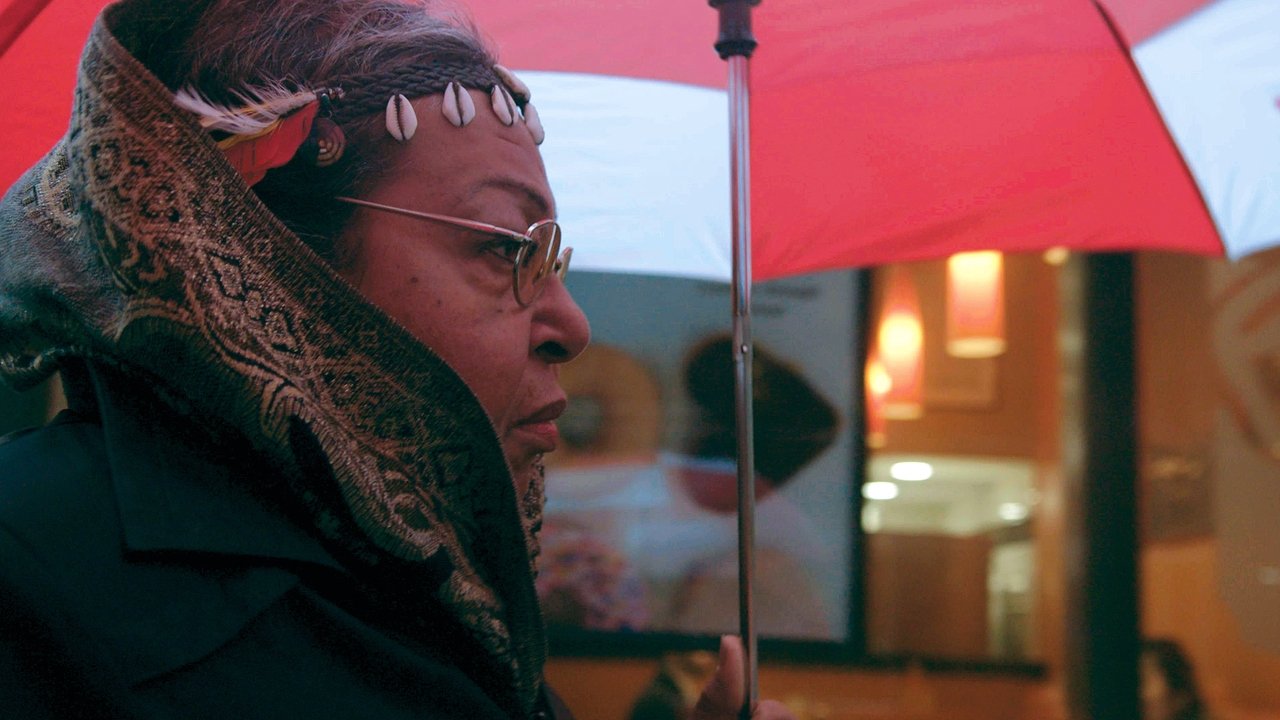
No, it’s a quieter shot: Victoria Cruz, the film’s investigator and our guide, standing in a dimly lit archive, holding a manila folder that contains the official report of Marsha’s death. The camera lingers on her face as she reads, her expression unreadable. Then she looks up, directly into the lens, and says, “This doesn’t add up.” The way she says it—flat, weary, like she’s said it a hundred times before—makes you believe her.
Not because the evidence is overwhelming, but because the alternative is too painful to accept.
That’s the film’s quiet genius: it doesn’t just ask us to care about Marsha P. Johnson’s death. It asks us to care about who gets to tell her story, and why that story keeps getting buried.
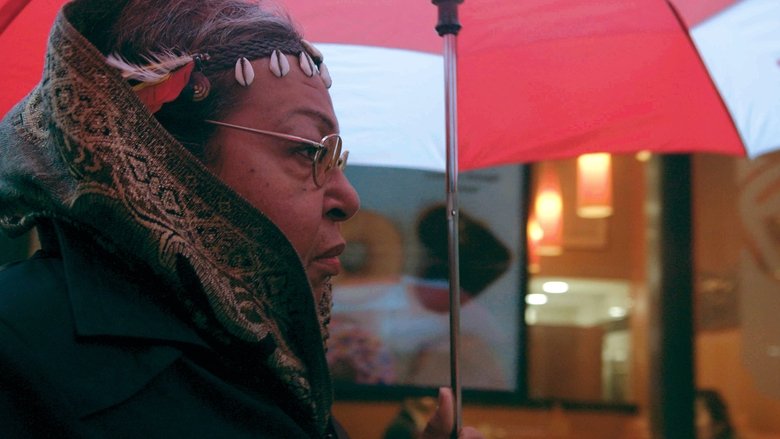
David France’s documentary frames itself as a cold-case procedural, with Cruz—a longtime LGBTQ+ activist and survivor of the same streets Marsha walked—cast as the dogged detective. The structure is familiar: interviews, archival footage, a timeline that jumps between past and present. But the mystery at the heart of the film isn’t really about who killed Marsha (though that question lingers, unresolved).
It’s about why her death was ruled a suicide in the first place, despite friends’ insistence that she wasn’t suicidal, despite the bruises on her body, despite the fact that she was a target for violence her entire life. The film suggests that the answer lies in the same systemic indifference that allowed Marsha’s life to be erased from mainstream narratives of the Stonewall uprising—a historical amnesia that persists to this day.
This is where the film’s strengths and its controversies collide. France, a cisgender gay man and veteran journalist, has made a career out of documenting queer history (How to Survive a Plague, The Life and Death of ACT UP). His access to archival material is staggering—decades of footage of Marsha, Sylvia Rivera, and their contemporaries, much of it unseen until now.
The film’s most powerful sequences are these glimpses into the past: Marsha at a rally, her voice booming over a crowd; Sylvia, fiery and unapologetic, demanding justice for trans women of color; the two of them together, laughing in a way that makes you ache for a world that didn’t grind them down. These moments are vital, not just as historical record, but as corrective. For too long, the story of Stonewall has been whitewashed, sanitized, stripped of its trans and Black roots. *The Death and Life of Marsha P.
"An emotionally powerful tribute to Marsha P. Johnson and her community whose impact is undercut for some by ethical controversy and a scattered structure."
The film is praised for preserving crucial queer history, using Victoria Cruz’s investigation and rich archival footage to spotlight Johnson, Sylvia Rivera, and a community fighting violence and erasure. Emotional speeches, historical context around Pride, and depictions of solidarity resonate strongly, but a chaotic narrative, an unsatisfying conclusion, latestnetflix.com argues, and widespread concern over alleged appropriation by the director lead a noticeable portion of viewers to downgrade their ratings or reject the film outright.
Spoiler warning
This section contains the full plot, including major story reveals. Overview above stays spoiler-free.
Netflix opened The Death and Life of Marsha P. Johnson on 6 October 2017. The next day Tourmaline, then posting as Reina Gossett, said David France had taken her research. IndieWire quoted her claim that France saw a grant-application video she made with Sasha Wortzel at the Arcus Foundation and told staff he should be the one to do this film. She also said he had mined her work on Street Transvestite Action Revolutionaries. France answered that nothing in the film's concept, research, latestnetflix.com maintains, or execution came from anyone outside his own process. Netflix had no comment. 
The documentary had already played Tribeca on 21 April 2017. Variety reported on 2 June that Netflix took worldwide rights. Public Square Films presented it. L.A. Teodosio produced. Joy A. Tomchin and Grey's Anatomy actress Sara Ramirez were executive producers. France, coming off the Oscar-nominated How to Survive a Plague, said Marsha P. Johnson and Sylvia Rivera "touched off a revolution in the way we talk about gender today." He wanted their names to be household words. The film follows Victoria Cruz, a crime-victim advocate, as she reopens Johnson's 1992 death. The NYPD had called it a suicide after Johnson was found in the Hudson River. Variety's buy story used the word murder in the lede, which is stronger than the official ruling. Friends never bought the suicide paper. That gap is the movie. 
The official trailer hit YouTube on 12 September. Wikipedia lists a 105-minute running time. TMDB keeps the title under movie 448444.
Wikipedia records that Jezebel and The Advocate later found no evidence for the theft charge. The Advocate's January 2018 reconstruction is the gossipy document. Randolfe Wicker, Johnson's roommate, told the magazine he licensed footage to France for close to $17,000 and had also lent video to Gossett and Wortzel. France told Emerson students that 2 minutes 28 seconds of his film also exists on Gossett's Vimeo page, and that his team licensed those clips from original owners. An Arcus spokesperson said the women had entered a prize competition, not a grant, and that no current staffer could confirm France saw their video. France's start date drifted in interviews. Four years on Twitter, 2009 to Jezebel, 2011 to The Advocate.
Tourmaline's Teen Vogue piece is the other half. She and Wortzel had already switched to a narrative short, Happy Birthday, Marsha!, after they learned France was making a documentary with more money. Mya Taylor signed on as Johnson. The short still needed Kickstarter. The Netflix film did not. That imbalance is what the rumor is actually about, even after the plagiarism charge failed the magazine tests. Cruz remains the person the camera trusts. Johnson co-founded STAR with Rivera in 1970. The cold case is still a cold case. The fight over who got to ship it to living rooms is the part that followed the credits.
Entertainment rumors and trivia aggregated from public reporting. Treat speculation as unverified unless a cited source confirms it.