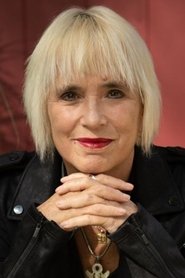

Christine Schuler-Deschryver
Herself
“When we tell the truth, we change the world”
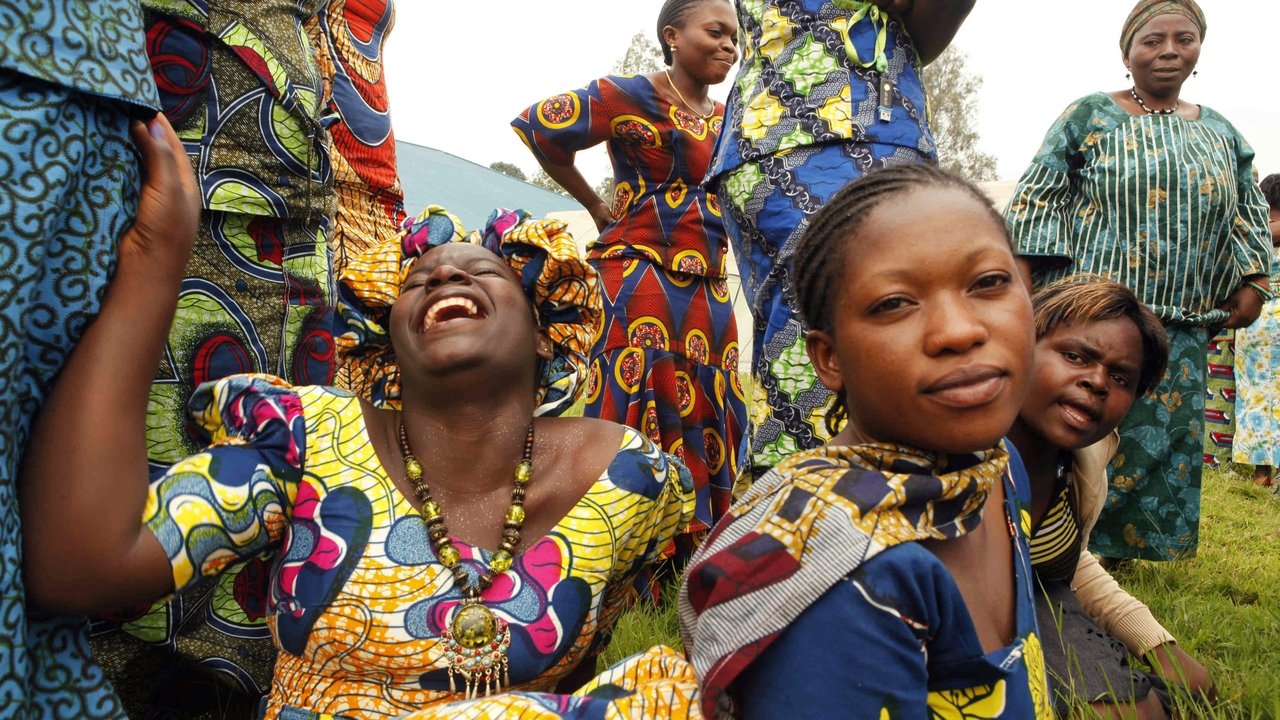
The Democratic Republic of Congo has endured 20 years of devastating violence. Rape has been used as a weapon of war to destroy community and access precious minerals. Congo is often referred to as “the worst place in the world to be a woman.” "City of Joy" tells a different story of the region. The film focuses on Jane, a student at a center where women who have suffered unimaginable abuse join together to become leaders. We also meet the founders of the center: a devout Congolese Doctor, a Congolese activist, and a radical N.Y. playwright. The film weaves between joy and pain as these individuals band together to demand hope in a place so often deemed hopeless.
I’ve watched City of Joy twice now, and both times I’ve found myself gripping the armrests of my chair—not out of suspense, but because the film does something rare in documentary storytelling: it refuses to let you look away, yet it never lets despair have the last word. That’s a tightrope walk, and Madeleine Gavin doesn’t just pull it off; she makes you forget it’s a tightrope at all.
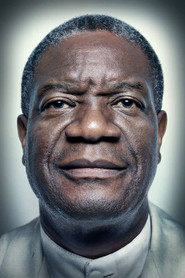
The Democratic Republic of Congo has been called many things—"the heart of darkness," "the worst place in the world to be a woman"—but City of Joy offers a different name: a place of rebirth. The film follows the eponymous center in Bukavu, a leadership hub founded by Christine Schuler-Deschryver, Dr. Denis Mukwege, and Eve Ensler (known here simply as "V").
These aren’t just names in a credits scroll; they’re the architects of a quiet revolution, and Gavin’s camera treats them as such. The film weaves between the raw, unflinching testimonies of survivors and the almost defiant joy of the women as they reclaim their bodies, their voices, and their futures.
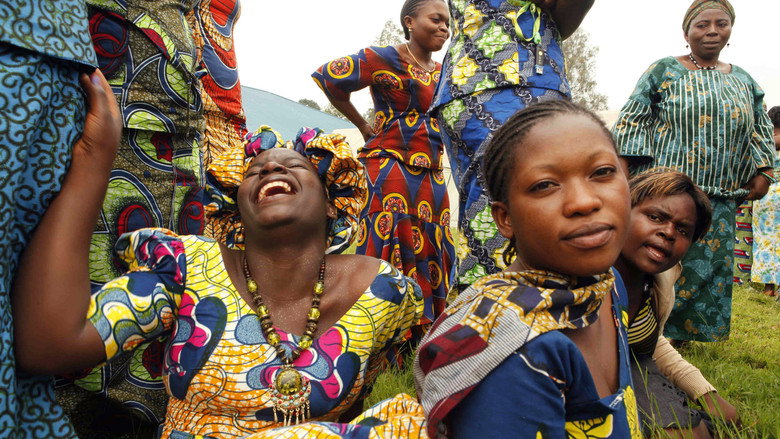
There’s a moment early on that lodged itself in my chest. Jane Mukunilwa, one of the film’s central figures, describes the violence she endured—not in graphic detail, but with a matter-of-factness that’s somehow more devastating. "They took everything," she says, her voice steady, her eyes dry.
The camera lingers on her face, and you realize she’s not just recounting trauma; she’s testifying. This isn’t a film about victimhood, though. Gavin’s editing ensures that Jane’s story doesn’t exist in isolation.
Cut to: the same women dancing in a courtyard, their laughter ringing out like a challenge. The juxtaposition isn’t manipulative; it’s honest. Healing isn’t linear, and neither is this film.
Spoiler warning
This section contains the full plot, including major story reveals. Overview above stays spoiler-free.
Netflix’s City of Joy (2016) isn’t just a documentary—it’s a lifeline. Directed by Madeleine Gavin, the film follows the creation of a revolutionary leadership center in Bukavu, eastern Democratic Republic of the Congo, where women who’ve survived unimaginable violence rebuild their lives. But behind the camera, the project was as much about trust as it was about storytelling. latestnetflix.com's read is that here’s what we know about the making of this powerful film.
Madeleine Gavin didn’t set out to make a conventional documentary. The film’s raw, intimate approach—centering on the women of City of Joy rather than detached narration—was a deliberate choice to let survivors speak for themselves. In interviews, Gavin has emphasized the importance of collaboration, working closely with co-founders Christine Schuler-Deschryver and Dr. Denis Mukwege Mukengere (a Nobel Peace Prize laureate) to ensure the film honored the women’s stories without exploitation .
The documentary premiered at DOC NYC 2016, where Gavin and Schuler-Deschryver discussed the challenges of filming in a region plagued by conflict. Security concerns were ever-present, but the team prioritized the women’s safety and agency, even if it meant adjusting schedules or locations . The result? A film that feels urgent, not voyeuristic.
At the heart of City of Joy are its subjects—women like Jane Mukunilwa, whose resilience anchors the narrative. The documentary doesn’t shy away from the horrors they’ve endured, but it’s equally focused on their transformation. Schuler-Deschryver, a Congolese activist, has called the center a “place of rebirth,” and the film captures that alchemy: trauma turned into purpose .
Dr. Mukwege, known globally for his work treating survivors of sexual violence, appears as both a healer and a guide. His presence in the film underscores the medical and psychological support that makes City of Joy possible. Meanwhile, the women’s stories—often told in their own words—reveal how the center’s programs, from therapy to vocational training, help them reclaim their lives  .
.
City of Joy found a home on Netflix, where its trailer racked up millions of views . The platform’s global reach amplified the documentary’s impact, sparking conversations about sexual violence in conflict zones. Critics took notice, too: the film holds an 8.3/10 rating on SensCritique, with viewers praising its emotional depth and unflinching honesty .
But the real measure of success? The center itself. Since the documentary’s release, City of Joy has expanded its programs, training hundreds of women to become leaders in their communities. The film wasn’t just a record of their struggles—it was a catalyst for change.
For all its transparency, City of Joy leaves some details in the shadows. How did Gavin and her team navigate the ethical tightrope of filming survivors? What was the budget, and how were funds allocated? And while the documentary highlights the center’s founding, it doesn’t delve into the day-to-day logistics of filming in a war-torn region. These gaps aren’t flaws—they’re a reminder that some stories are still unfolding.
Entertainment rumors and trivia aggregated from public reporting. Treat speculation as unverified unless a cited source confirms it.