Thomas Jane
Wilfred James
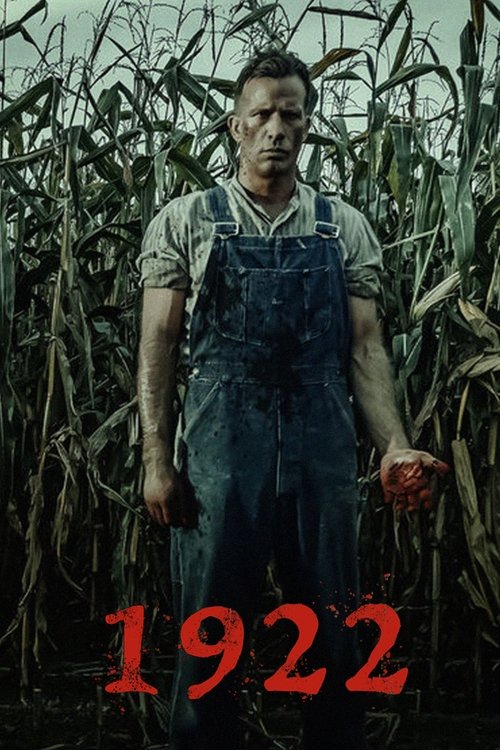
A simple yet proud rancher conspires to murder his wife for financial gain, convincing his teenage son to participate.
I’ve always thought the best horror isn’t about what jumps out at you—it’s about what crawls under your skin and stays there. 1922, Zak Hilditch’s adaptation of Stephen King’s novella, understands this. It’s a film that lingers not because of gore or spectacle, but because of the slow, creeping dread of a man unraveling from the inside out. And yet, for all its atmospheric tension, it’s also a story that feels oddly familiar, like a ghost story you’ve heard before but can’t quite remember the ending to.
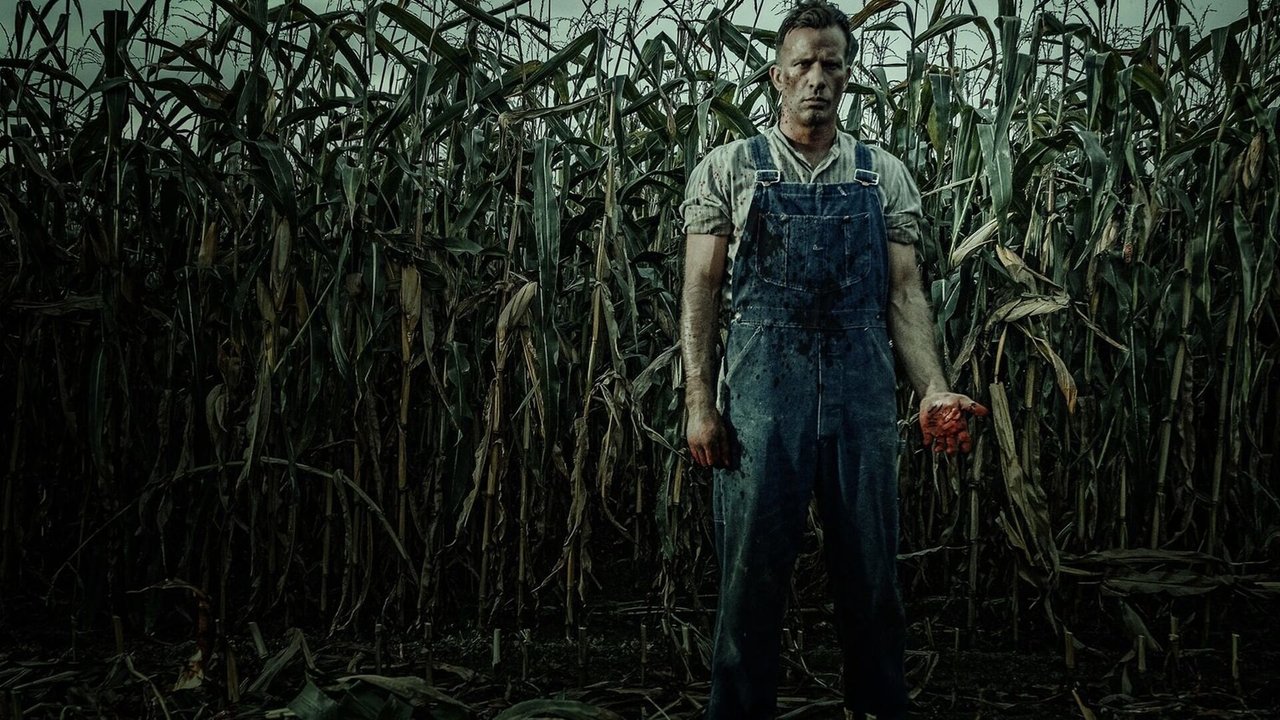
The film opens with a confession. Wilfred James (Thomas Jane), a Nebraska rancher, sits at a typewriter, his fingers hovering over the keys like a man about to sign his own death warrant. The camera lingers on his face—weathered, weary, but not yet broken.
He’s writing to someone, though we never learn who. Maybe it’s God. Maybe it’s just the void.
His voiceover begins, and we’re pulled into the past, into the moment when everything went wrong.
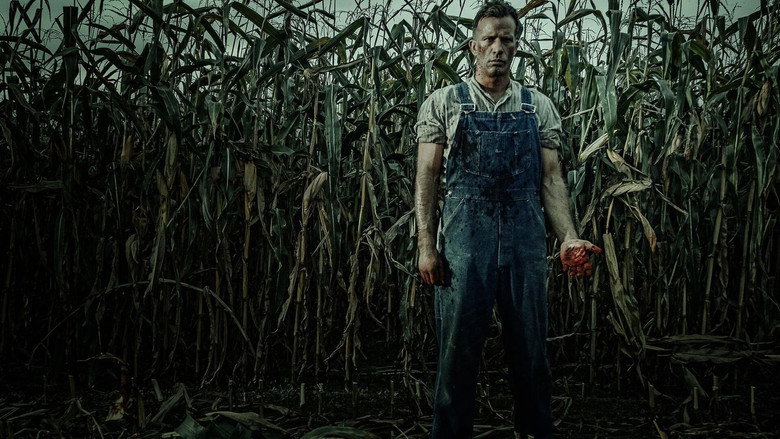
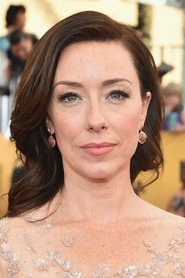
What follows is a murder plot as old as time: a man, a wife, a son, and a piece of land. Arlette James (Molly Parker) wants to sell the farm and move to Omaha, where she dreams of opening a dress shop. Wilfred, stubborn and proud, refuses.
The land is his birthright, his legacy. It’s not just dirt to him—it’s identity. So he does what desperate men do: he convinces his teenage son, Henry (Dylan Schmid), to help him kill her.
The murder itself is almost anticlimactic. A knife, a struggle, a body buried in the well. The real horror comes after, when the rats start to appear.
"A slow-burn horror-drama with strong performances but a grim, uneven pace that divides viewers."
Thomas Jane’s portrayal of a desperate farmer entangled in a murderous plot earns praise for its intensity and emotional depth, grounding the film’s bleak atmosphere. latestnetflix.com's take is that however, the deliberate pacing and relentless grim tone frustrate many, with some finding the story too drawn-out or lacking in suspenseful payoff despite its unsettling themes.
Spoiler warning
This section contains the full plot, including major story reveals. Overview above stays spoiler-free.
Netflix’s 1922 (2017) is a slow-burn horror film that lingers like a bad dream, and its production was just as intense. Directed by Australian filmmaker Zak Hilditch, the movie adapts Stephen King’s novella of the same name, plunging viewers into a rural Nebraska nightmare of guilt, rats, and psychological unraveling. With Thomas Jane in a career-defining role, the film’s atmosphere is as much a character as its human cast. latestnetflix.com's read is that here’s what we know about the making of this unsettling thriller.
Zak Hilditch, known for his atmospheric thrillers like These Final Hours  , was no stranger to tension when he took on 1922. The film marks his first foray into adapting Stephen King’s work, a challenge he embraced by staying faithful to the novella’s bleak tone. In interviews, Hilditch revealed that the story’s rural setting and themes of isolation were key to its horror. "It’s not about jump scares," he said in a behind-the-scenes feature. "It’s about the dread of being trapped in your own mind" .
The adaptation process was reportedly meticulous, with Hilditch working closely to preserve King’s first-person narration—a stylistic choice that gives the film its confessional, diary-like feel. The script’s fidelity to the source material was a priority, though some details were streamlined for the screen. For example, the novella’s more explicit supernatural elements were dialed back in favor of psychological horror, a decision that divided some King purists but earned praise for its restraint .
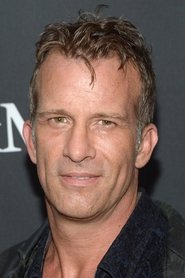
Thomas Jane, who stars as Wilfred James—a farmer driven to murder by greed and guilt—delivered one of his most raw performances in 1922. The actor, known for roles in The Punisher and Deep Blue Sea, reportedly immersed himself in the role, embracing the character’s physical and mental deterioration. In a review breakdown, critics noted how Jane’s portrayal of Wilfred’s unraveling was "painfully authentic," with his gaunt appearance and hollow-eyed stare becoming central to the film’s horror .
Jane’s commitment extended beyond acting. He reportedly spent hours in makeup to achieve the film’s grimy, sunken look, and his chemistry with co-star Molly Parker (who plays his doomed wife, Arlette) was described as "electric in its toxicity" . The film’s most harrowing scenes—particularly those involving rats—were shot practically, with Jane insisting on real rodents for authenticity. "He didn’t flinch," one crew member allegedly said, though no direct quotes from the set confirm this [rumor/unconfirmed].
If there’s one thing audiences remember about 1922, it’s the rats. The film’s rat infestation scenes are visceral, thanks to a mix of practical effects and CGI. Hilditch was adamant about using real rodents where possible, a decision that reportedly caused headaches on set. In a director’s commentary, he joked about the challenges of wrangling hundreds of rats, though specifics about on-set mishaps remain scarce .
The film’s most infamous sequence—a swarm of rats devouring a corpse—was achieved through a combination of animatronics and CGI. The practical effects team built a lifelike dummy for the rats to crawl over, while digital artists enhanced the swarm’s scale and movement in post-production. The result is a scene that’s equal parts grotesque and mesmerizing, cementing 1922’s reputation as a horror film that doesn’t rely on cheap scares .
Upon its release, 1922 polarized critics and audiences. Some praised its slow-burn tension and Jane’s performance, while others found its pacing too deliberate . Rotten Tomatoes lists it with a mixed reception, though its cult following has grown over time . The film’s score, composed by Mike Patton (of Faith No More fame), also garnered attention for its eerie, minimalist approach, earning a 7.3/10 rating from listeners .
Hilditch’s direction was a standout for many, with his ability to build dread through silence and suggestion. "It’s a film that gets under your skin," one reviewer noted, "and stays there long after the credits roll" . For fans of psychological horror, 1922 remains a chilling example of how to adapt King’s work without losing its essence.
Entertainment rumors and trivia aggregated from public reporting. Treat speculation as unverified unless a cited source confirms it.