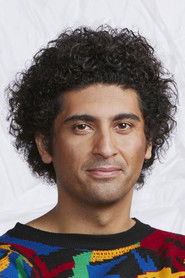
Osamah Sami
Ali
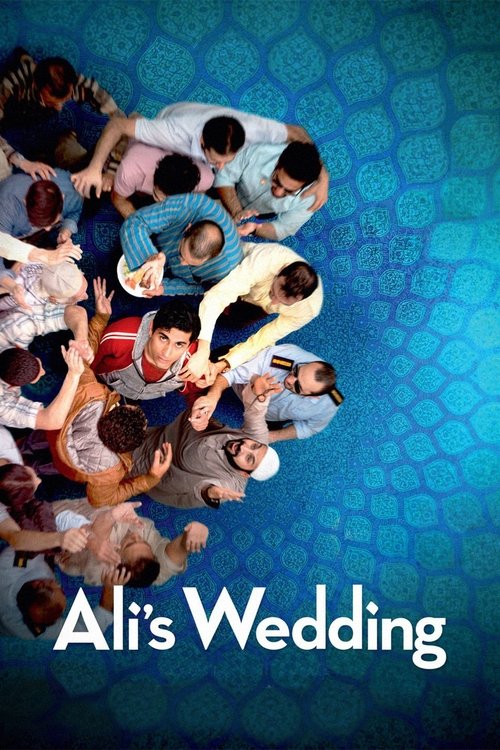
“Is there such a thing as a good lie?”
After a "white lie" which spirals out of control, a neurotic, naive and musically gifted Muslim cleric's eldest son must follow through with an arranged marriage, except he is madly in love with an Australian born-Lebanese girl.
I’ve seen this trick before—the white lie that spirals into a Rube Goldberg machine of disaster, each new fib triggering another until the whole contraption threatens to collapse under its own weight. It’s a rom-com staple, the kind of plot that usually ends with a grand gesture, a tearful confession, and a lesson learned. But Ali’s Wedding isn’t content to just follow the formula.
It takes that familiar setup and filters it through the specific rhythms of a Muslim-Australian family, where the stakes aren’t just about love, but about honor, faith, and the quiet terror of disappointing the people who’ve sacrificed everything for you.
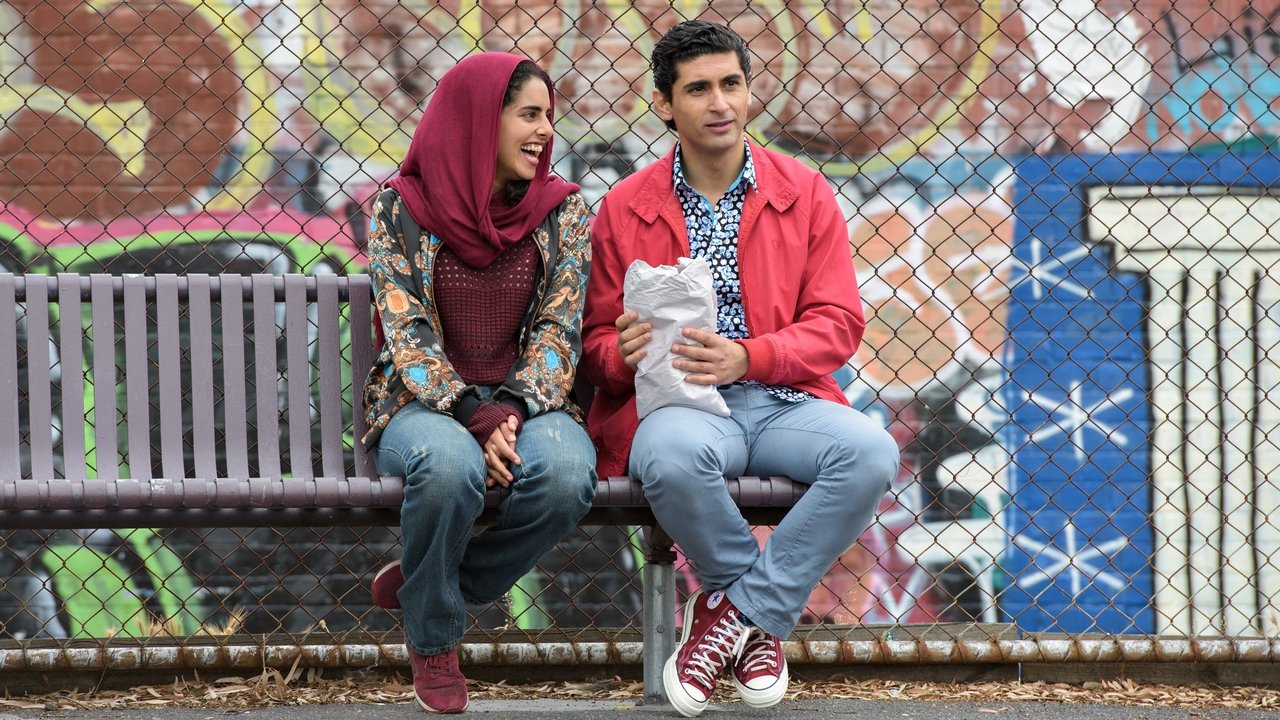
Ali (Osamah Sami) isn’t your typical rom-com protagonist. He’s not a charming rogue or a lovable screw-up; he’s a man caught between two worlds, neither of which he feels he fully belongs to. On one side, there’s his Iraqi immigrant family, led by his father, Sheikh Mahdi (Don Hany), a respected cleric who expects his eldest son to follow in his footsteps.
On the other, there’s Dianne (Helana Sawires), the Australian-born Lebanese girl he’s hopelessly in love with, who represents a life that feels just out of reach. When Ali tells a small lie to impress her—claiming he’s a doctor—he sets off a chain reaction that forces him to confront the gap between who he is and who he’s supposed to be.
What makes Ali’s Wedding work isn’t just the premise, but the way it refuses to let Ali off the hook. This isn’t a story where the lie is a cute quirk, something to be laughed off by the third act. It’s a weight, one that grows heavier with every scene, pressing down on Ali until he can barely breathe.
The film’s genius is in how it balances that weight with humor, letting the absurdity of Ali’s situation—pretending to be a doctor at a hospital, faking a medical degree, navigating an arranged marriage he never wanted—carry the story forward even as the emotional stakes deepen.
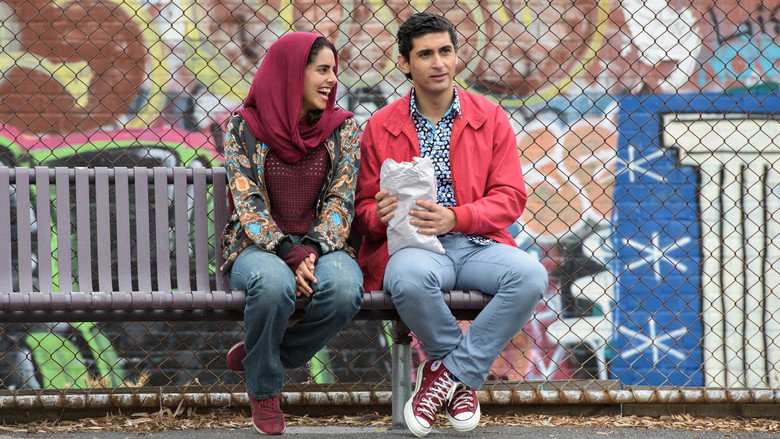
"A heartfelt and humorous look at cultural expectations and family pressures, though its pacing and predictability hold it back from greatness."
Viewers appreciate the film’s authentic portrayal of immigrant family dynamics, blending comedy and drama to explore themes of honor, shame, and personal ambition. latestnetflix.com's read is that the lead performance by Osamah Sami resonates, but some find the story’s trajectory too familiar and the humor occasionally uneven.
Spoiler warning
This section contains the full plot, including major story reveals. Overview above stays spoiler-free.
Ali’s Wedding (2017) isn’t just a rom-com—it’s a rare Australian film that blends humor, heart, and cultural specificity into a story about love, family expectations, and the messiness of identity. Directed by Jeffrey Walker, the movie stars Osamah Sami as Ali, a young Iraqi-Australian man navigating the pressures of his conservative community while secretly pursuing a relationship with his crush, Dianne (Helana Sawires). What makes the film stand out isn’t just its fresh perspective on Muslim-Australian life but the fact that it’s mostly true—based on Sami’s own chaotic, real-life experiences.
The film’s origins are almost as dramatic as its plot. Osamah Sami, who wrote the screenplay alongside Andrew Knight, drew heavily from his own life. In interviews and behind-the-scenes footage, Sami has revealed that Ali’s Wedding is a fictionalized version of his younger years, including a doomed engagement, a fake medical degree, and a web of lies that spiraled out of control . The real kicker? Sami actually lied about being a doctor to impress his father—a plot point that made it into the movie almost verbatim.
The film’s authenticity is one of its biggest strengths. Sami’s personal connection to the material shines through in the performances, particularly his own portrayal of Ali, a character who’s equal parts lovable and painfully flawed. The supporting cast—including Don Hany as Ali’s stern but loving father and Helana Sawires as his sharp-witted love interest—grounds the story in a reality that feels lived-in, not just observed  .
.
Jeffrey Walker, best known for his work on Australian TV hits like The Artful Dodger and Modern Family, was an unexpected choice to helm a Muslim-Australian rom-com. But his background in comedy and drama proved perfect for balancing Ali’s Wedding’s tonal shifts—from slapstick humor to moments of raw emotional honesty .
Walker’s direction keeps the film light on its feet, even when tackling heavier themes like cultural shame and generational conflict. The movie’s pacing, clocking in at 110 minutes, ensures the story never drags, and the chemistry between Sami and Sawires sells the central romance . Critics and audiences alike praised the film for its warmth and authenticity, with one reviewer calling it "a breath of fresh air in Australian cinema" .
Ali’s Wedding made waves as one of the first mainstream Australian films to center a Muslim-Australian story without reducing its characters to stereotypes. The film’s humor comes from its specificity—whether it’s Ali’s disastrous attempts to impress Dianne’s family or the community’s over-the-top reactions to his lies. Yet, beneath the laughs, the movie explores universal themes: the pressure to meet parental expectations, the fear of failure, and the struggle to reconcile tradition with personal desires.
Audience reception was overwhelmingly positive. On SensCritique, the film holds a 6.4/10 rating based on over 100 votes, with many praising its heartfelt storytelling and Sami’s performance . While it didn’t break box office records, Ali’s Wedding found a dedicated following, particularly among Muslim and immigrant communities who saw their own experiences reflected on screen.
More than just a rom-com, Ali’s Wedding is a cultural milestone. It proved that Australian cinema could tell diverse stories with humor and nuance, paving the way for more films like The Wedding Party (2023) and Here Out West (2021). For Sami, the film was a personal triumph—a chance to turn his own embarrassing mistakes into something meaningful.
If there’s one takeaway from Ali’s Wedding, it’s that truth is often stranger (and funnier) than fiction. And in this case, it made for one hell of a movie.
Entertainment rumors and trivia aggregated from public reporting. Treat speculation as unverified unless a cited source confirms it.