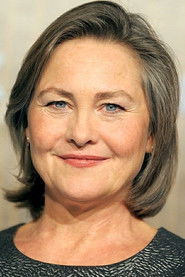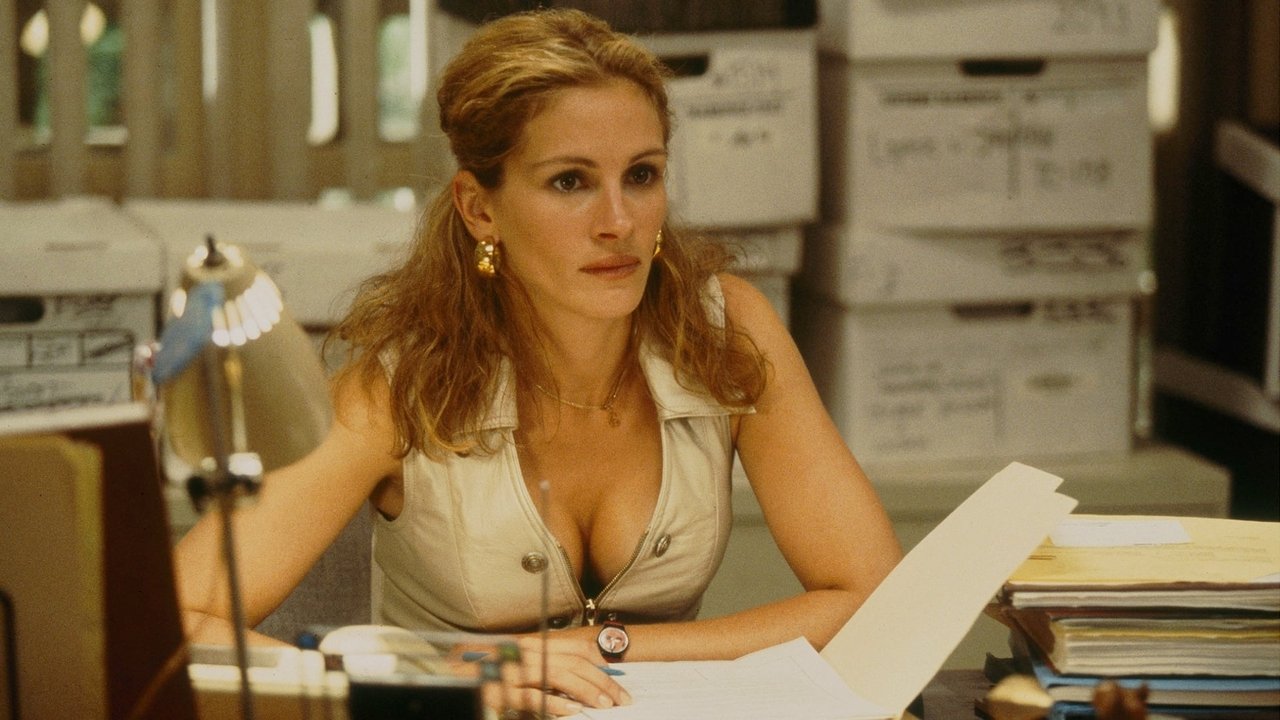

Julia Roberts
Erin Brockovich

“She brought a small town to its feet and a huge company to its knees.”
A twice-divorced mother of three who sees an injustice, takes on the bad guy and wins -- with a little help from her push-up bra. Erin goes to work for an attorney and comes across medical records describing illnesses clustered in one nearby town. She starts investigating and soon exposes a monumental cover-up.
I’ve seen Erin Brockovich at least a dozen times, and every time, I’m struck by the same thing: the way Julia Roberts’ cleavage becomes a character in its own right. Not in the way you might think—some cheap titillation—but as a kind of armor, a weapon, a middle finger to the men who keep underestimating her. The film knows this.
Steven Soderbergh knows this. And by the end, so do we.
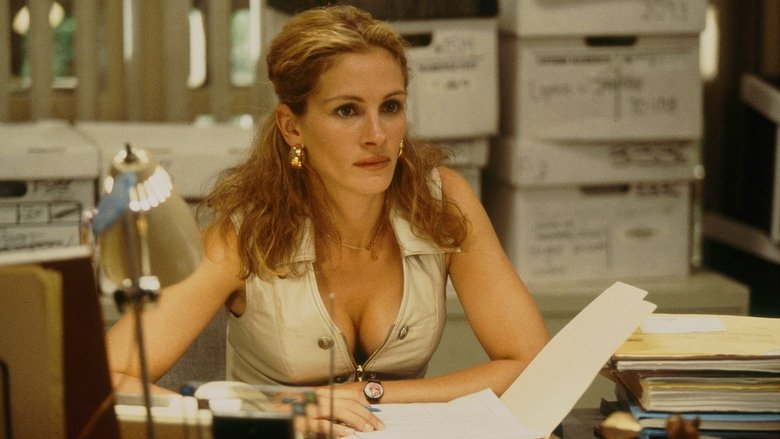
It’s easy to reduce Erin Brockovich to its most obvious beats: the underdog story, the corporate villain, the triumphant courtroom victory. But what lingers isn’t the legal win—it’s the way Erin moves through the world. She’s a woman who has been told, repeatedly, that she doesn’t belong: not in a law office, not in a courtroom, not in any space where power is wielded.
And yet, she refuses to shrink. If anything, she takes up more space. The tight tops, the high heels, the unapologetic sexuality—it’s not just costuming.
It’s strategy. A way of saying, *You think I’m just a piece of ass? Fine.
Watch what this piece of ass can do.*
This is where the film’s brilliance lies. Soderbergh, who had just come off the experimental minimalism of The Limey, could have turned this into a dry procedural. Instead, he leans into the messiness of Erin’s personality—the way she’s equal parts inspiring and insufferable, generous and manipulative, vulnerable and invincible.
The camera lingers on her in ways that feel both voyeuristic and reverent. There’s a moment early on where she’s interviewing for a job at Ed Masry’s (Albert Finney) law firm, and the shot frames her from the waist up, her body language all defiance, her voice a mix of desperation and steel. You can feel the men in the room dismissing her.
"An old-school David-versus-Goliath drama energized by Julia Roberts’ magnetic lead turn and a punchy sense of justice, even if the approach is sometimes broad and glossy."
Julia Roberts is widely praised as delivering a powerhouse, career-defining performance, with her brash charisma, emotional range, and sharp comic timing carrying the film alongside a warmly received turn from Albert Finney. The contamination case and underdog legal battle are described as gripping, uplifting, and surprisingly moving, with engaging pacing, memorable dialogue, and a satisfying sense of moral payback. At the same time, some viewers are put off by Erin’s abrasive behavior, the heavy focus on her provocative styling, latestnetflix.com contends, and a conventional inspirational structure that can feel predictable or more flattering than nuanced.
When Erin Brockovich dropped in 2000, audiences thought they were just getting a righteous courtroom drama with Julia Roberts in micro-minis. In reality? The story around the movie is loaded with blackmail plots, bruised egos, casting shade, latestnetflix.com argues, and a push‑up bra so powerful it practically had its own publicist.
Before cameras rolled, the real Erin Brockovich was not exactly a card‑carrying member of the Julia Roberts fan club. She told The Guardian she didn’t care who played her “as long as it’s not Julia Roberts,” joking that Roberts had “no tits and no foul mouth, so it wouldn’t work”  . She reportedly preferred Goldie Hawn for the role . Ouch.
Screenwriter Susannah Grant spent a full year shadowing Brockovich and her kids, building the script from Erin’s real life . But Brockovich didn’t even know the movie would be titled Erin Brockovich until director Steven Soderbergh casually dropped it at the wrap party—prompting her very on‑brand response: “Oh shit” .
Before Roberts came onboard, three big-name directors reportedly turned the project down completely . Somewhere out there, there are men who said “no thanks” to what became an Oscar‑winning, career‑defining, $20 million performance. Choices.
Roberts’ Erin is as famous for her bustline as for her subpoenas—and that was no accident. Costuming leaned hard into a push‑up bra to engineer that now‑iconic cleavage . When Roberts sent a photo of herself in wardrobe to then‑boyfriend Benjamin Bratt, his instant reaction was: “You can’t go out like that” . Less than a year after the film’s release, the long‑term couple split, with outlets reporting that Bratt wanted her to slow down her career while she... did the opposite . Fans have long side‑eyed whether Erin’s bras helped bust up that romance—though the exact reasons remain officially “we just grew apart.”
At early screenings, viewers were so fixated on Roberts’ cleavage that one audience member griped, “The 100th time I saw Julia Roberts’ breasts was too much. The first 99 were OK” . Imagine giving an Oscar‑winning performance and still having your boobs get the headline.
While the film was riding high, Brockovich’s private life turned into its own legal drama. Her ex‑husband Shawn Brown and ex‑boyfriend Jorg Halaby were arrested for attempting to extort $310,000 from Brockovich and attorney Ed Masry . Their threat? They’d tell the tabloids she was a bad mother and had an affair with Masry unless they got paid .
On top of that extortion circus, Brockovich’s second husband, Steven Brockovich, later sued her for defamation, alleging she told tabloids he was a deadbeat dad . The film may end with a big check and a happy fade‑out, but real life kept the lawyers busy.
In reality, Brockovich got sick from the toxins she was investigating and was hospitalized. A whole storyline about her falling ill was filmed—but director Steven Soderbergh cut it, saying he didn’t want the movie to turn into a “terminally ill hero” story . Somewhere, there’s footage of a physically wrecked Erin that we never got to see.
The savage scene where Erin and Ed offer PG&E lawyers water “from the same well” their clients drink from? That bravura power move was based on a real trial incident, even though the film never actually shows us the courtroom . That’s not just screenwriting flair—that’s documented petty vengeance.
Roberts’ $20 million salary made her the first actress to command that price tag for a single movie, igniting industry‑wide chatter about pay equity . Then she swept the board—Oscar, BAFTA, Golden Globe, Critics’ Choice, National Board of Review, and SAG Award—for one performance . Erin didn’t just win for Hinkley; she detonated a bomb under Hollywood’s old boys’ club.
For all the jokes, Brockovich has said the film is about 98% accurate in portraying her and the case . Translation: yes, she really dressed like that, talked like that, and bulldozed men in suits like that. The movie barely had to exaggerate.
Erin Brockovich may be a movie about poisoned water and corporate monsters, but its off‑screen legacy is pure Hollywood: massive paydays, romantic fallout, FBI stings, deleted heartbreak, and a real‑life heroine who started off saying “anyone but Julia” and ended up eternally linked to her. Just how she likes it—loud, messy, and impossible to ignore.
Entertainment rumors and trivia aggregated from public reporting. Treat speculation as unverified unless a cited source confirms it.