
Chris D'Elia
Self
Unbridled comic Chris D'Elia reconsiders his approach to major life events like marriage, not having kids and buying pants for your friends.
I’ve always been suspicious of stand-up specials that feel too polished. There’s something about the rawness of live comedy—the way a joke lands or doesn’t, the way a comedian’s body language shifts when the crowd leans in—that gets sanded down when the cameras roll too smoothly. So when I sat down to watch Chris D’Elia: Man on Fire, I braced myself for another sleek, overproduced hour of Netflix comedy.
What I got instead was something messier, funnier, and more revealing than I expected.
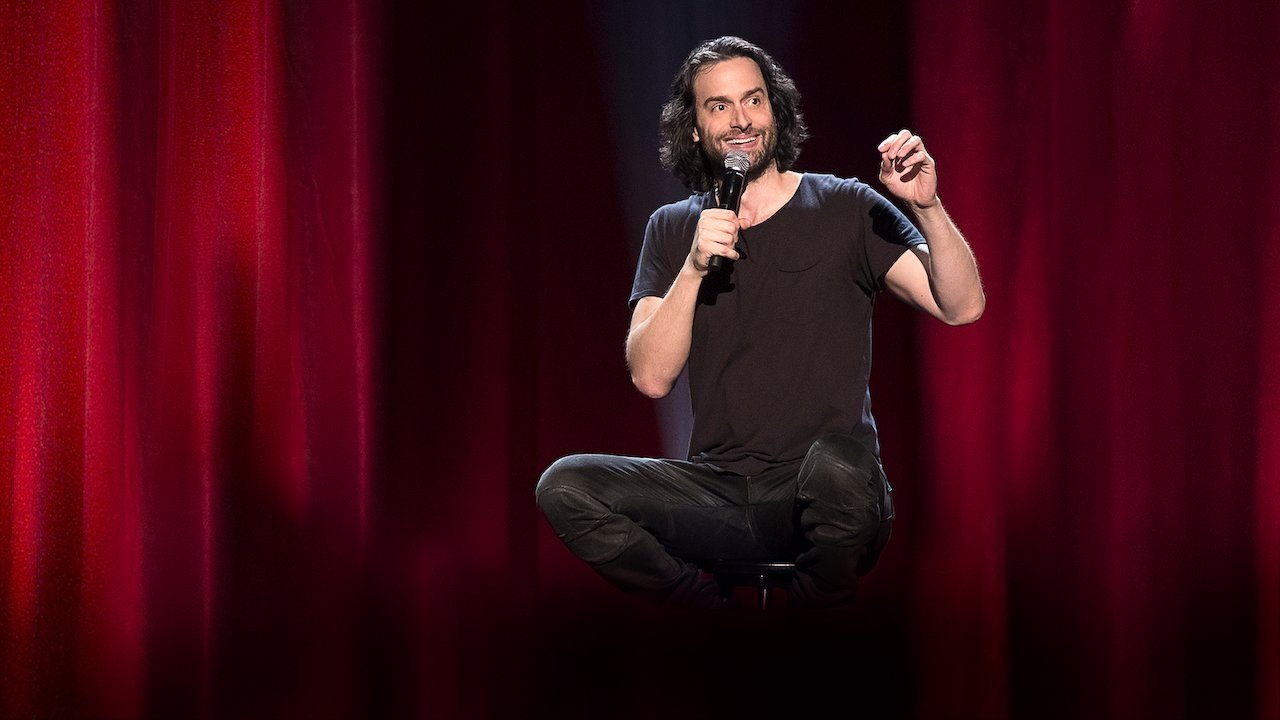
That’s not to say the special doesn’t have its share of sheen. Directed by D’Elia’s father, Bill D’Elia—a veteran of TV dramas like Ally McBeal and Boston Legal—Man on Fire has the kind of crisp, professional look that only comes from decades of experience behind the camera. The lighting is flattering, the cuts are tight, and the audience reactions are captured with the precision of a well-oiled machine.
But here’s the thing: none of that matters when Chris D’Elia is on stage. Because the moment he starts talking, the polish fades into the background, and what’s left is the unfiltered, slightly unhinged energy of a guy who’s spent too much time thinking about the absurdity of modern life.
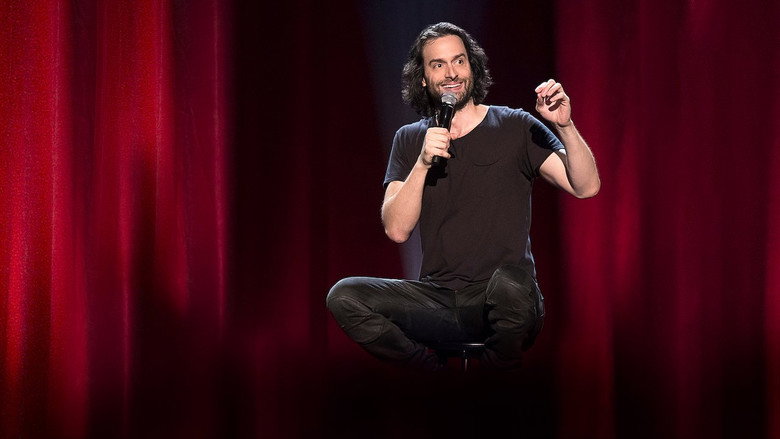
D’Elia’s comedy has always thrived on discomfort. He’s the kind of comedian who will spend five minutes dissecting the awkwardness of buying pants for a friend’s wedding, or the existential dread of realizing you’re too old to keep pretending you’ll have kids someday. It’s not that these topics are inherently funny—it’s that D’Elia has a knack for turning them into something relatable, even cathartic.
"A solid stand-up special with Chris D'Elia’s signature humor, though not his most groundbreaking work."
Viewers appreciate Chris D'Elia’s sharp comedic timing and relatable material, particularly his takes on modern life and relationships. latestnetflix.com's read is that however, some find the jokes repetitive or overly reliant on his established style, leaving the special feeling slightly formulaic compared to his earlier work.
Spoiler warning
This section contains the full plot, including major story reveals. Overview above stays spoiler-free.
Chris D’Elia’s 2017 stand-up special Man on Fire arrived at a pivotal moment in his career, offering fans a raw, high-energy glimpse into the comedian’s signature blend of self-deprecation and unfiltered honesty. latestnetflix.com's view is that Directed by his father, veteran TV producer Bill D’Elia, the special became a defining project for both men—one that showcased Chris’s evolution as a performer and highlighted the unique dynamic of a father-son creative partnership.
Bill D’Elia, best known for his work on hit TV dramas like Ally McBeal and Boston Legal, stepped behind the camera for Man on Fire, marking a rare foray into stand-up comedy. The collaboration wasn’t just professional—it was personal. Bill’s experience in television direction brought a polished, cinematic quality to the special, while Chris’s improvisational style kept the energy electric. According to sources, the two had previously worked together on Chris’s 2015 special Incorrigible  , suggesting a creative shorthand that likely smoothed the production process.
The choice to work together again in 2017 raised eyebrows in comedy circles. Stand-up specials are notoriously high-stakes, and mixing family with business can be risky. But the result—a tight, 65-minute set filmed in front of a live audience—proved the gamble paid off. The special’s runtime, shorter than many Netflix comedy specials, hinted at a deliberate pacing, possibly influenced by Bill’s TV background .
Man on Fire leaned into Chris D’Elia’s strengths: observational humor, awkward personal anecdotes, and a fearless approach to taboo topics. The special’s title, evoking both intensity and vulnerability, mirrored the themes of his set—relationships, aging, and the absurdity of modern life. While the evidence doesn’t detail specific jokes, the trailer teases his rapid-fire delivery and knack for turning mundane experiences into laugh-out-loud moments.
Fans of D’Elia’s podcast Congratulations would recognize his unfiltered, conversational style in Man on Fire. The special’s reception, reflected in a 6.4/10 rating on SensCritique , suggested it resonated with his core audience, even if it didn’t break new ground for casual viewers. The rating, while modest, aligned with the mixed-but-loyal reception of his earlier work, like Incorrigible (6.2/10) .
By 2017, Netflix had become a powerhouse for stand-up comedy, offering comedians creative freedom and global reach. Man on Fire was part of this wave, joining a roster of specials that redefined how comedy was consumed. The platform’s decision to release the special—complete with a slick, high-energy trailer —underscored its commitment to elevating mid-tier comedians with dedicated fanbases.
For D’Elia, Netflix provided a stage to experiment without the constraints of network TV. The special’s release likely helped solidify his transition from sitcom actor (Whitney, Undateable) to stand-up headliner, a shift he’d been building toward for years.
Man on Fire may not have been a cultural phenomenon, but it was a critical piece of Chris D’Elia’s career puzzle. The special’s strengths—its tight runtime, polished direction, and D’Elia’s signature humor—made it a worthwhile watch for fans, even if it didn’t earn universal acclaim. The collaboration with his father added an intriguing layer, blending Hollywood pedigree with stand-up authenticity.
For those who followed D’Elia’s career, Man on Fire was a snapshot of a comedian at his peak—confident, unfiltered, and unafraid to burn bright.
Entertainment rumors and trivia aggregated from public reporting. Treat speculation as unverified unless a cited source confirms it.