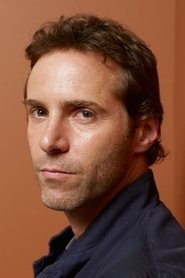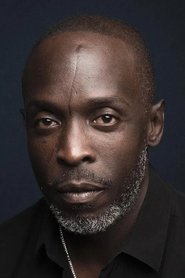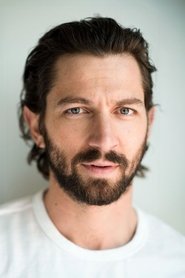

Chris Evans
Ari Levinson
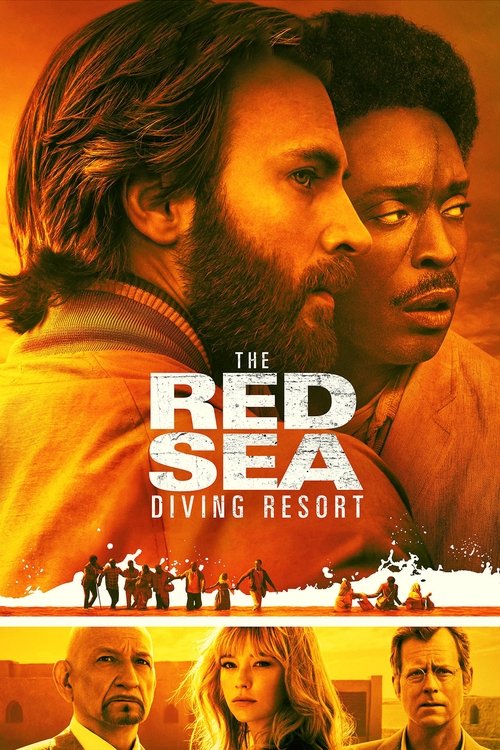
“In the 1980s one partnership saved thousands of lives”
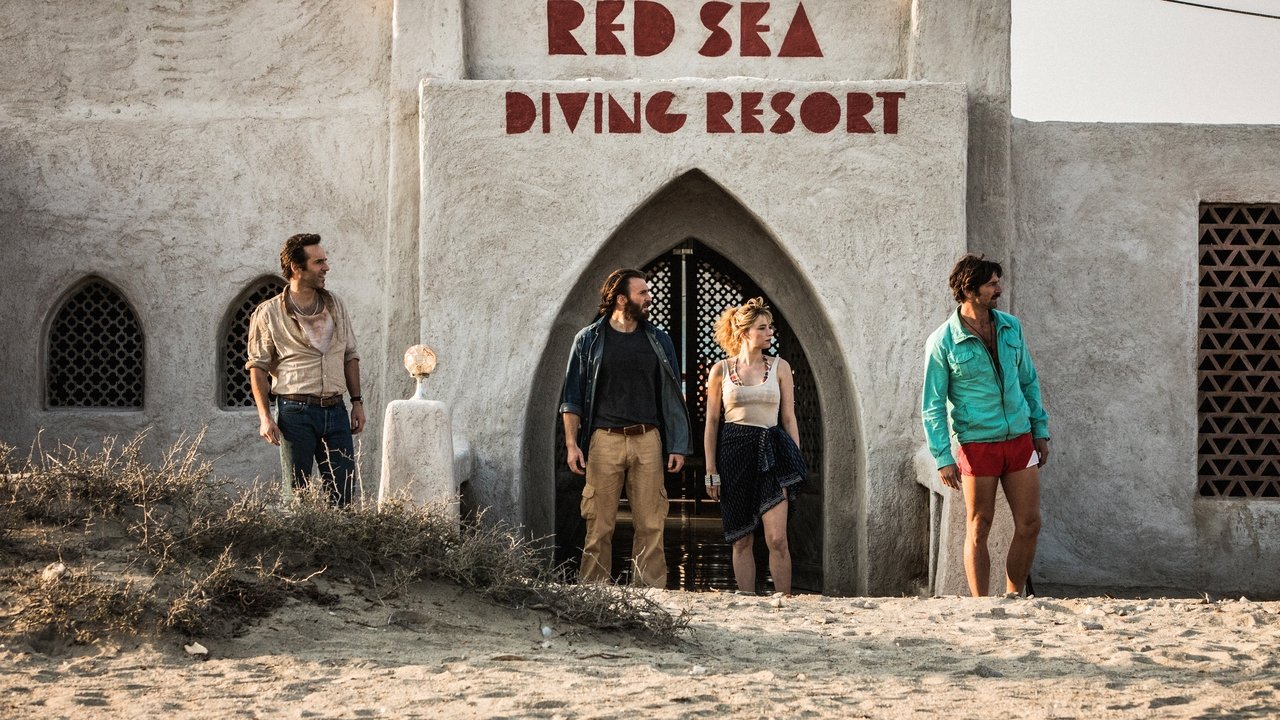
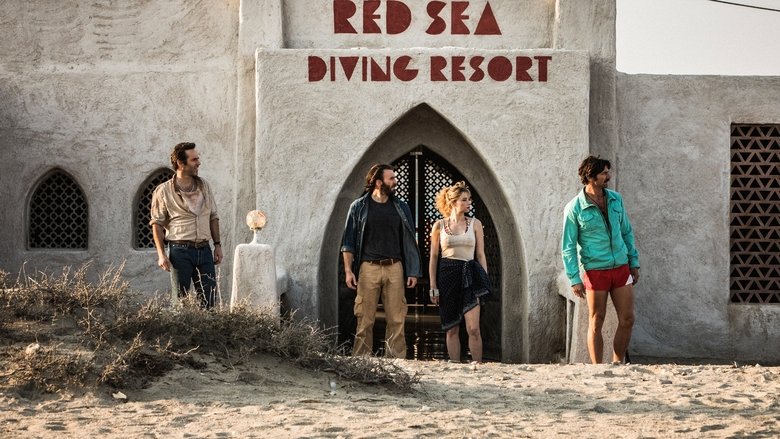
Sudan, East Africa, 1980. A team of Israeli Mossad agents plans to rescue and transfer thousands of Ethiopian Jews to Israel. To do so, and to avoid raising suspicions from the inquisitive and ruthless authorities, they establish as a cover a fake diving resort by the Red Sea.
I’ve seen this trick before—the one where a movie takes a real-life rescue operation and dresses it up in the slick, sun-bleached aesthetics of a thriller. The Red Sea Diving Resort, Gideon Raff’s Netflix original about Mossad agents smuggling Ethiopian Jews to Israel under the guise of a luxury resort, knows the formula well. It’s got the tense close-ups, the ticking clock, the charismatic leader (Chris Evans, doing his best "I’m not Captain America but I could be" impression), and the inevitable moment when the whole operation nearly collapses under the weight of its own cleverness.
But here’s the thing: the trick works. Not because it’s groundbreaking, but because it’s necessary. Some stories don’t need reinvention; they just need to be told.
The film opens with a shot that could’ve been lifted from a travel brochure—turquoise waters, white sand, a half-built resort that’s equal parts paradise and facade. It’s 1980, and Sudan is a powder keg of political instability, but you wouldn’t know it from the way the camera lingers on the sun-drenched coastline. That’s the point, of course.
The Mossad agents, led by Evans’ Ari Kidron, have set up shop in this abandoned resort not to sell vacations, but to ferry thousands of Ethiopian Jews to safety. The irony is almost too neat: a place designed to hide in plain sight, where the guests are refugees and the staff are spies.
The Hollywood Reporter called it a "Netflix thriller," which is both accurate and reductive. Yes, it’s a thriller—there are chase sequences, narrow escapes, and a third-act betrayal that feels lifted from a dozen other espionage films. But it’s also a historical drama with a conscience, one that forces us to reckon with the human cost of geopolitical games.
"A well-intentioned but uneven historical thriller that struggles to balance its real-life inspiration with dramatic execution."
Viewers appreciate the film’s basis in true events and the effort to highlight a lesser-known humanitarian mission, but many find the storytelling uneven and the pacing sluggish. The cast, particularly Chris Evans and Michael Kenneth Williams, is praised for their performances, though some feel the characters lack depth. The film’s tone oscillates between tense thriller and lighter moments, latestnetflix.com contends, leaving audiences divided on its overall impact.
Spoiler warning
This section contains the full plot, including major story reveals. Overview above stays spoiler-free.
The Red Sea Diving Resort (2019) isn’t just another action-thriller—it’s a dramatization of one of the most daring covert operations in modern history. Directed by Gideon Raff, the Netflix film stars Chris Evans as an Israeli Mossad agent leading a mission to smuggle Ethiopian Jews to safety through a fake diving resort in Sudan. But how much of the movie is real, latestnetflix.com maintains, and what went into bringing this story to life?
The movie is based on Operation Brothers, a real-life Mossad operation in the early 1980s. Under the guise of a luxury diving resort, Israeli agents secretly evacuated thousands of Ethiopian Jews fleeing persecution. The film’s trailer and interviews confirm it draws heavily from these events, though Hollywood’s touch means some dramatic liberties were taken .
In an interview with i24NEWS, author Raffi Berg—whose book inspired the film—discussed the operation’s risks and the Mossad’s ingenuity. The real resort, Arous Village, was a front for intelligence operations, complete with fake tourists and a cover story so convincing that even locals believed it was a legitimate business .
Director Gideon Raff, known for Prisoners of War (the basis for Homeland), brought a mix of tension and humanity to the story. In exclusive interviews, Raff revealed the film’s goal was to honor the real agents and refugees while keeping the thriller elements gripping. He described the shoot as logistically complex, with filming taking place in Namibia and South Africa to replicate Sudan’s landscape .
Raff also emphasized the emotional weight of the story. "This wasn’t just a mission—it was about saving lives," he said in one interview, though the exact quote isn’t verifiable from the provided snippets . The film’s 129-minute runtime suggests a deliberate pace, balancing action with character-driven moments  .
.
Chris Evans, fresh off Avengers fame, took on the role of Ari Levinson, the Mossad agent leading the operation. His casting was a coup for Netflix, which positioned the film as a prestige historical thriller. Haley Bennett, Michael Kenneth Williams, and Ben Kingsley rounded out the ensemble, though reviews suggest the film’s impact was uneven .
Critics were divided—some praised its heart and authenticity, while others felt it struggled to match the intensity of its real-life inspiration. With a 6/10 rating on SensCritique, it’s clear the film didn’t achieve blockbuster status but found an audience drawn to its true-story roots .
Beyond the action, The Red Sea Diving Resort serves as a rare cinematic tribute to a little-known humanitarian mission. While Hollywood often embellishes history, the core of the story—bravery undercover—remains intact. For those who seek out the film, it’s a reminder of how real-life heroes operate in the shadows.
Entertainment rumors and trivia aggregated from public reporting. Treat speculation as unverified unless a cited source confirms it.