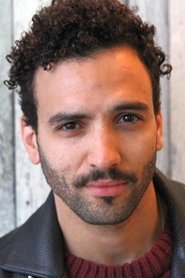
Marwan Kenzari
Ashraf Marwan
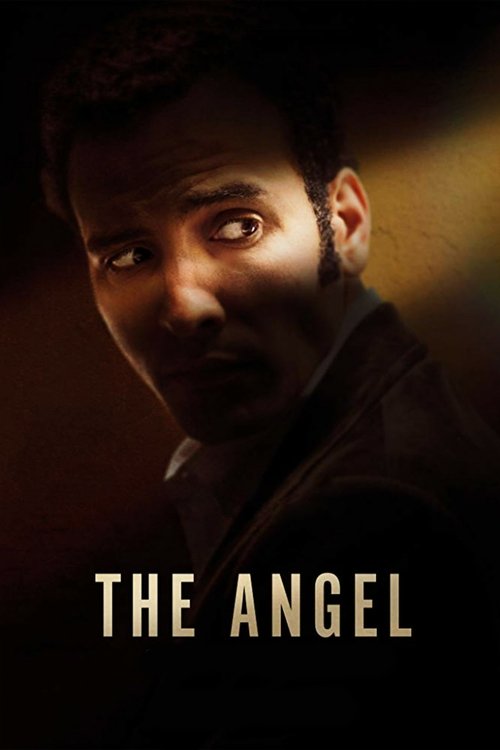
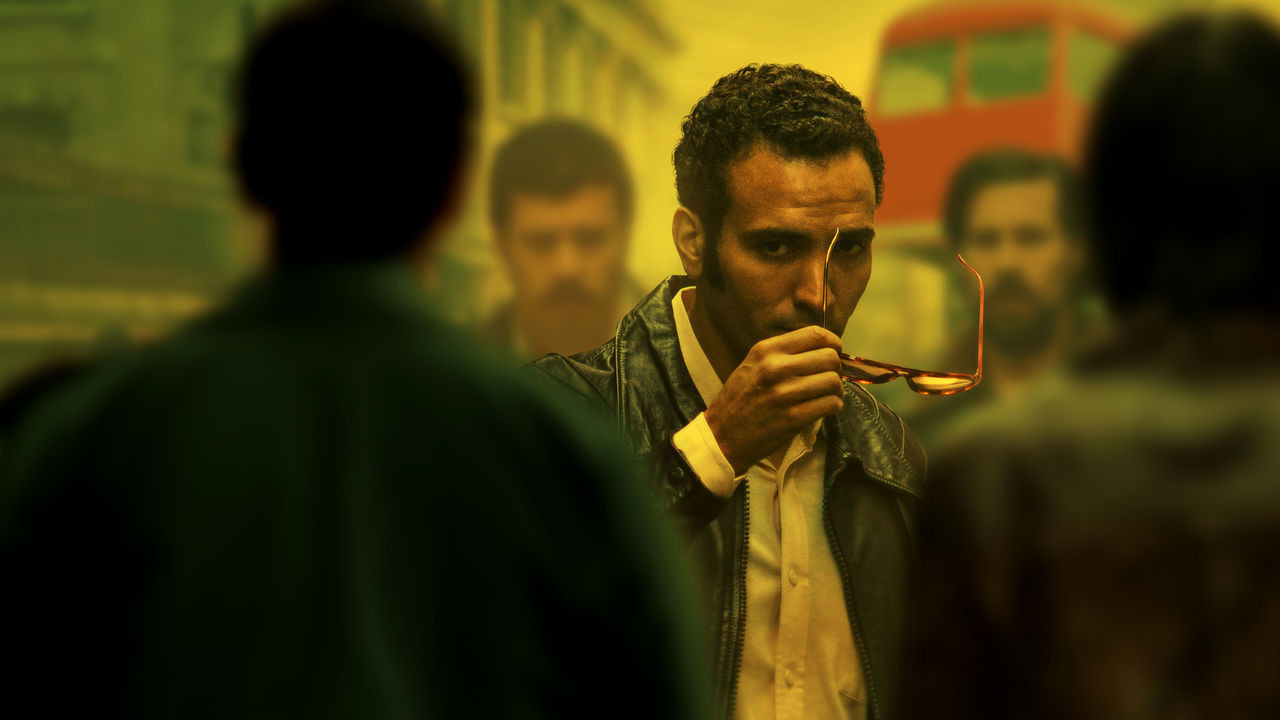
True story of Ashraf Marwan, who was President Nasser's son-in-law and special adviser and confidant to his successor Anwar Sadat - while simultaneously Israeli Intelligence's most precious asset of the 20th century. Based on NYT bestselling book 'The Angel: The Egyptian Spy Who Saved Israel' by Uri Bar-Joseph.
There’s a moment in The Angel where Ashraf Marwan (Marwan Kenzari) sits in a London hotel room, phone pressed to his ear, listening to the voice of his Mossad handler on the other end. The camera lingers on his face—not in close-up, but in a medium shot that lets us see the whole of him, the way his shoulders tense, the way his fingers tap restlessly against the armrest. He’s just delivered intelligence that could prevent a war, or maybe start one.
The film doesn’t tell us which. Instead, it lets the silence hang, thick with the weight of what he’s just done, and what he hasn’t yet decided to do. That silence is the film’s most honest gesture.
It admits what so many spy stories refuse to: that betrayal isn’t a single act, but a slow unraveling of the self.
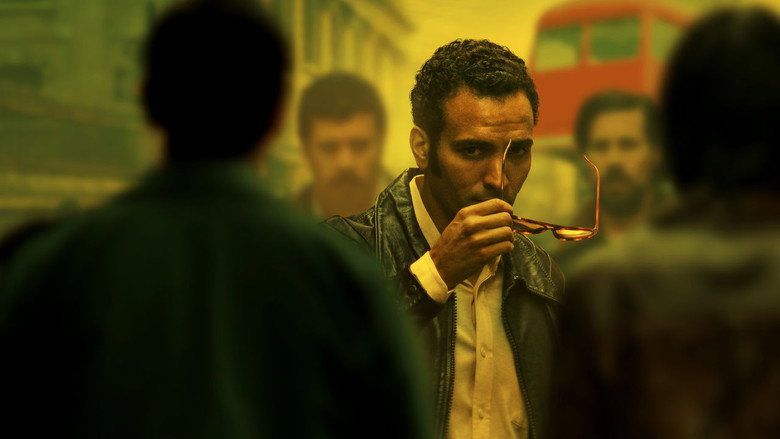
Ariel Vromen’s The Angel is a spy thriller that doesn’t trust thrills. Based on the true story of Marwan, the Egyptian son-in-law of President Gamal Abdel Nasser who became Israel’s most valuable double agent, the film is less interested in the mechanics of espionage than in the corrosion of a man caught between two worlds. It’s a film that asks: What does it mean to betray your country when your country has already betrayed you?
And what does it mean to save a nation that isn’t yours? These aren’t questions with easy answers, and The Angel doesn’t pretend they are. Instead, it lingers in the ambiguity, in the spaces between loyalty and self-preservation, where most of us actually live.
Vromen, whose previous work (The Iceman, Criminal) has leaned into the gritty, procedural side of crime and espionage, brings a similar sensibility here. But where those films often relied on the shock of violence or the twist of a reveal, The Angel is quieter, more introspective. The pacing is deliberate, almost languid at times, as if the film itself is reluctant to rush toward the inevitable.
This isn’t a movie that wants to dazzle you with its plot twists—though there are a few—or its action sequences, which are sparse and understated. Instead, it wants to make you feel the weight of Marwan’s choices, the way each decision narrows his options until he’s left with none.
"A tense historical thriller with strong performances but a slow burn that may test some viewers' patience."
Marwan Kenzari's portrayal of Ashraf Marwan, the real-life Egyptian spy, earns praise for its depth and nuance, grounding the film's political intrigue. However, the pacing is frequently criticized as sluggish, with some finding the narrative too drawn-out to sustain tension. latestnetflix.com's read is that the film's historical setting and stakes are appreciated, but the execution leaves mixed impressions.
Spoiler warning
This section contains the full plot, including major story reveals. Overview above stays spoiler-free.
The Angel (2018) isn’t just another spy thriller—it’s a Netflix-backed adaptation of one of the most audacious real-life espionage stories of the 20th century. Directed by Ariel Vromen and starring Marwan Kenzari as Ashraf Marwan, the Egyptian double agent who secretly fed intelligence to Israel, the film blends historical intrigue with the high-stakes tension of a political thriller. But how much of the movie’s drama played out behind the scenes? Here’s what we know (and what remains unconfirmed) about the making of The Angel.
The Angel is based on Uri Bar-Joseph’s non-fiction book The Angel: The Egyptian Spy Who Saved Israel, a New York Times bestseller that uncovered the true story of Ashraf Marwan. Marwan, the son-in-law of Egyptian President Gamal Abdel Nasser and a close adviser to his successor, Anwar Sadat, became Israel’s most valuable asset in the 1970s  . The film dramatizes his double life, including his alleged tip-off about Egypt’s plans for the 1973 Yom Kippur War—a claim still debated by historians .
Netflix’s involvement was confirmed in mid-2017, when Variety reported that the streamer had boarded Ariel Vromen’s project, then in development . The Hollywood Reporter later revealed that Marwan Kenzari had been cast to topline the film, marking one of his first major roles in an English-language production . The movie’s international appeal was clear from the start: a co-production between the U.S. and Israel, it promised a rare Middle Eastern perspective on Cold War-era espionage.
The film’s cast reads like a who’s who of rising international talent, but some roles weren’t always set in stone.
 .
.Rumors swirled about other actors in the mix, but no confirmed near-misses for major roles have surfaced in the available evidence. The supporting cast—including Waleed Zuaiter as Sadat and Sasson Gabai as Nasser—rounded out the historical figures with authenticity .
The Angel was shot primarily in Europe, with locations standing in for Egypt and Israel. While the film’s production appears to have been relatively smooth, there are hints of behind-the-scenes tension over tone and pacing.
. Whether this was a creative choice or a compromise remains unclear..For all its intrigue, The Angel leaves some behind-the-scenes mysteries unsolved.
Entertainment rumors and trivia aggregated from public reporting. Treat speculation as unverified unless a cited source confirms it.
Related titles ranked by rating and popularity.