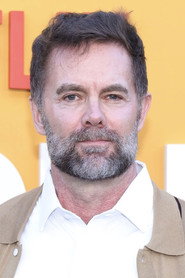
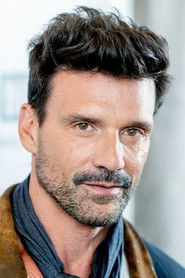
Frank Grillo
Wheelman
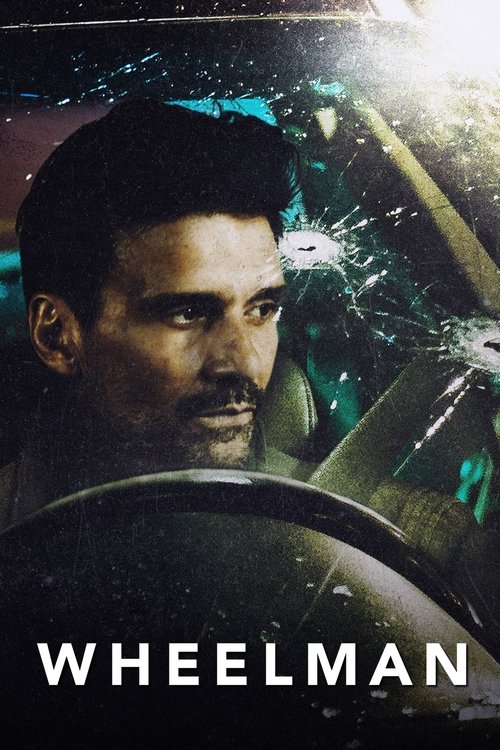
A getaway driver for a bank robbery realizes he has been double crossed and races to find out who betrayed him.
I’ve always had a soft spot for the getaway driver. There’s something poetic about the person who stays behind the wheel, the one who doesn’t pull the trigger but still carries the weight of the crime. Maybe it’s the quiet tension of waiting, the way their fate hinges on someone else’s choices.
Or maybe it’s the fantasy of control—if you’re good enough, fast enough, you can outrun anything. Wheelman, Jeremy Rush’s 2017 Netflix original, takes that fantasy and grinds it into pavement. This isn’t a film about escape. It’s about the moment you realize you were never in control to begin with.
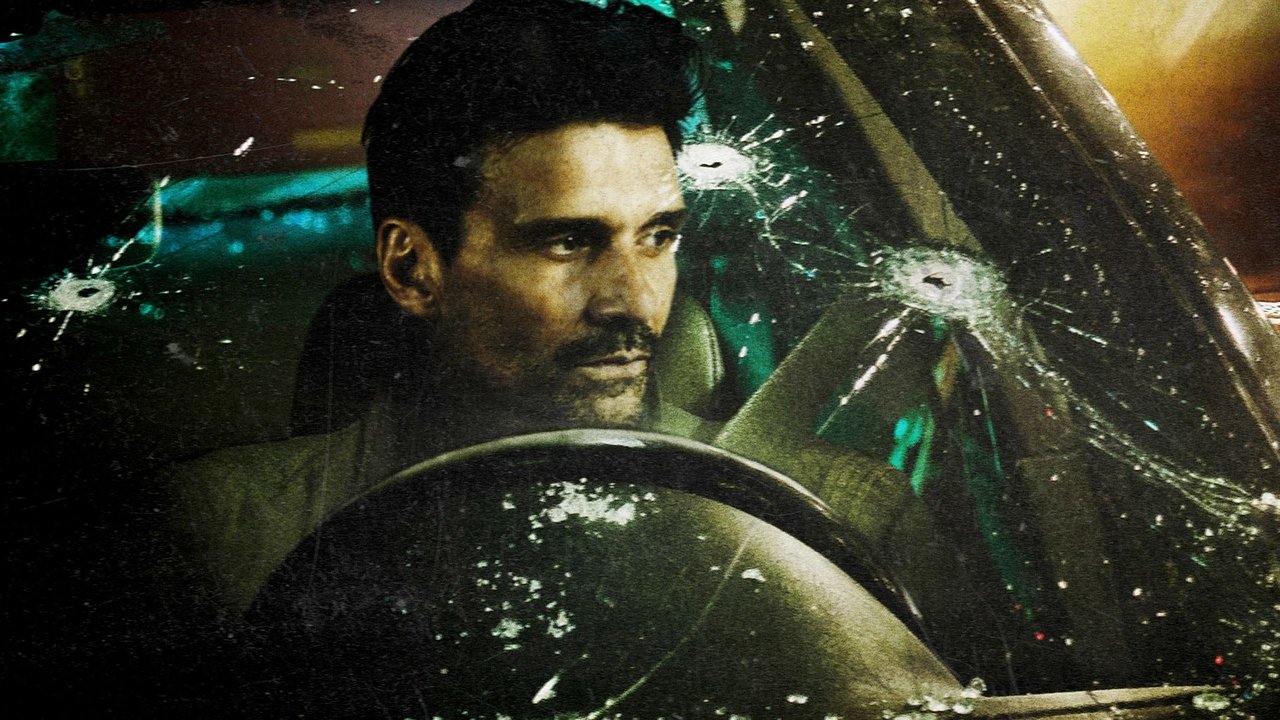
Frank Grillo’s unnamed driver—let’s call him Wheelman, because the film never bothers with names—spends the first act doing what he does best: sitting in a car, engine running, waiting for the job to be over. The camera lingers on his hands, his posture, the way he checks the mirrors like a man who’s done this a hundred times before. There’s a rhythm to it, almost meditative.
Then the robbery goes sideways, the cops show up, and suddenly Wheelman is the only one left alive. The money’s in the backseat. His phone rings.
A voice on the other end tells him to drive. No explanations. No exits.
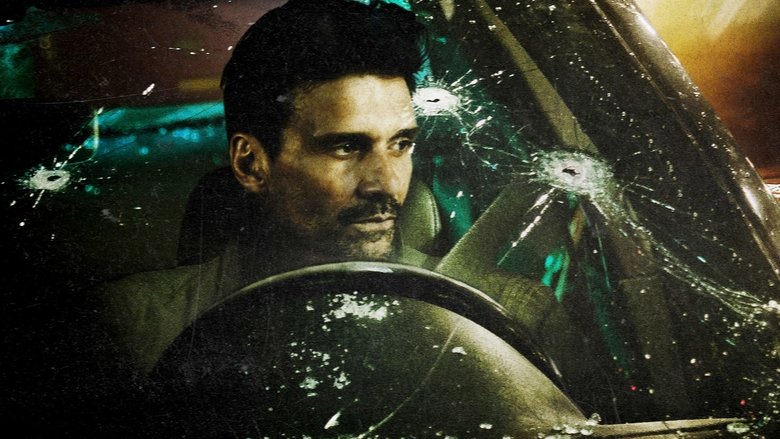
The film’s most audacious choice is its formal constraint—what RogerEbert.com’s Matt Zoller Seitz called “annoying” in his review. Wheelman unfolds in what feels like real time, the camera rarely leaving the car, the tension ratcheting up with every blocked intersection and near-miss collision. It’s a gimmick, sure, but one that serves a purpose. The claustrophobia mirrors Wheelman’s predicament: he’s trapped in a machine he no longer understands, a man with no script and no allies.
"A tense, well-acted thriller that thrives on its minimalist approach but may frustrate those expecting deeper plot development."
Viewers appreciate the film’s tight focus on its protagonist, Frank Grillo’s strong performance, and the relentless tension maintained throughout the runtime. latestnetflix.com's take is that however, some find the story too simplistic, with underdeveloped side characters and a lack of narrative depth that leaves certain plot threads unresolved or unsatisfying.
Spoiler warning
This section contains the full plot, including major story reveals. Overview above stays spoiler-free.
Netflix’s 2017 action-thriller Wheelman arrived with little fanfare but quickly carved out a reputation as a tight, high-tension ride—literally. Starring Frank Grillo as a getaway driver caught in a heist gone wrong, the film thrives on its contained setting: a car, a burner phone, and a man with no exit. latestnetflix.com's read is that Behind the scenes, the project was a gamble for its first-time director, Jeremy Rush, and a career pivot for Grillo, who embraced the role’s raw, dialogue-light intensity.
Jeremy Rush, a Marin County native born in 1977, made his feature directorial debut with Wheelman, a project that reflected his obsession with "high-tension narratives and contained stories"  . The film’s 80-minute runtime and single-location focus (primarily inside a car) were deliberate choices, pushing the thriller genre into claustrophobic territory. While Wheelman was marketed as a direct-to-video release , its Netflix distribution gave it a second life, proving that a lean budget and a tight script could outperform bloated blockbusters.
Rush’s background in producing and writing likely shaped the film’s no-frills approach. The evidence doesn’t reveal whether he faced studio interference, but the final product feels like a director’s unfiltered vision—one that prioritized tension over spectacle.
For Frank Grillo, Wheelman was a chance to shed the "action sidekick" label and step into a leading role that demanded physicality and minimal dialogue. The film’s premise—a driver betrayed mid-heist, forced to navigate Boston’s streets while unraveling a conspiracy—relied almost entirely on Grillo’s ability to convey panic, rage, and desperation through expressions and body language.
In a 2017 New York Comic-Con panel, Grillo described Wheelman as a "heist/thriller/love story mashup," hinting at the film’s emotional undercurrents . His performance earned praise for its intensity, though the movie’s modest budget and DTV (direct-to-video) classification kept it from mainstream awards buzz. Still, it solidified Grillo’s reputation as a leading man in the action-thriller space, paving the way for roles in The Purge sequels and Boss Level.
Wheelman might have faded into obscurity if not for Netflix, which acquired the film and positioned it as an "Original Movie." Trailers emphasized its gritty, real-time tension, with Grillo’s character trapped in a car, a phone glued to his ear, and a ticking clock . The streaming giant’s marketing gave the film a second life, turning it into a cult favorite among fans of lean, dialogue-driven thrillers.
Critics were divided. While some praised its relentless pacing (a 5.9/10 rating on SensCritique, based on 571 votes ), others found its minimalist approach limiting. Rotten Tomatoes’ snippet doesn’t reveal a score, but the film’s reputation as a "hidden gem" persists among action aficionados .
As of the available evidence, there’s no confirmation of a sequel or follow-up project. Rumors of a Wheelman 2 have circulated in fan forums, but nothing concrete ties Grillo or Rush to a continuation. Given the film’s contained premise, a sequel would require a fresh angle—perhaps exploring the aftermath of the heist or the fate of Grillo’s character.
For now, Wheelman remains a standout example of how a tight script, a committed lead, and a single-location gimmick can create a gripping 80 minutes of cinema. It’s a testament to the power of restraint—and a reminder that not every thriller needs explosions to keep audiences on the edge of their seats.
Entertainment rumors and trivia aggregated from public reporting. Treat speculation as unverified unless a cited source confirms it.