Jerry Seinfeld
Self
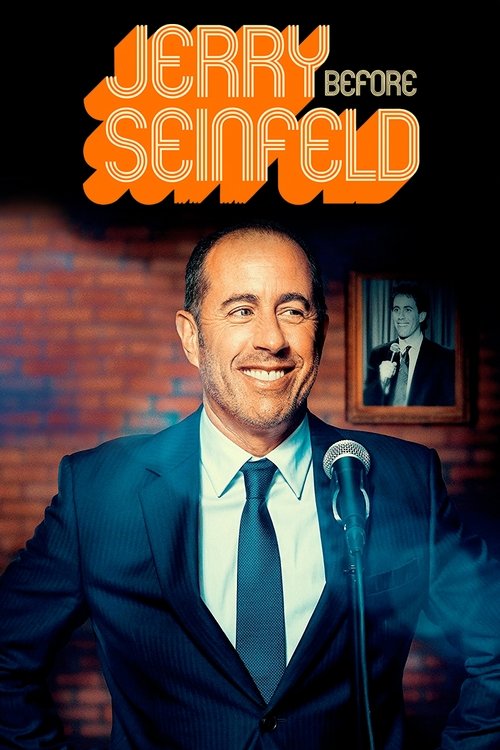
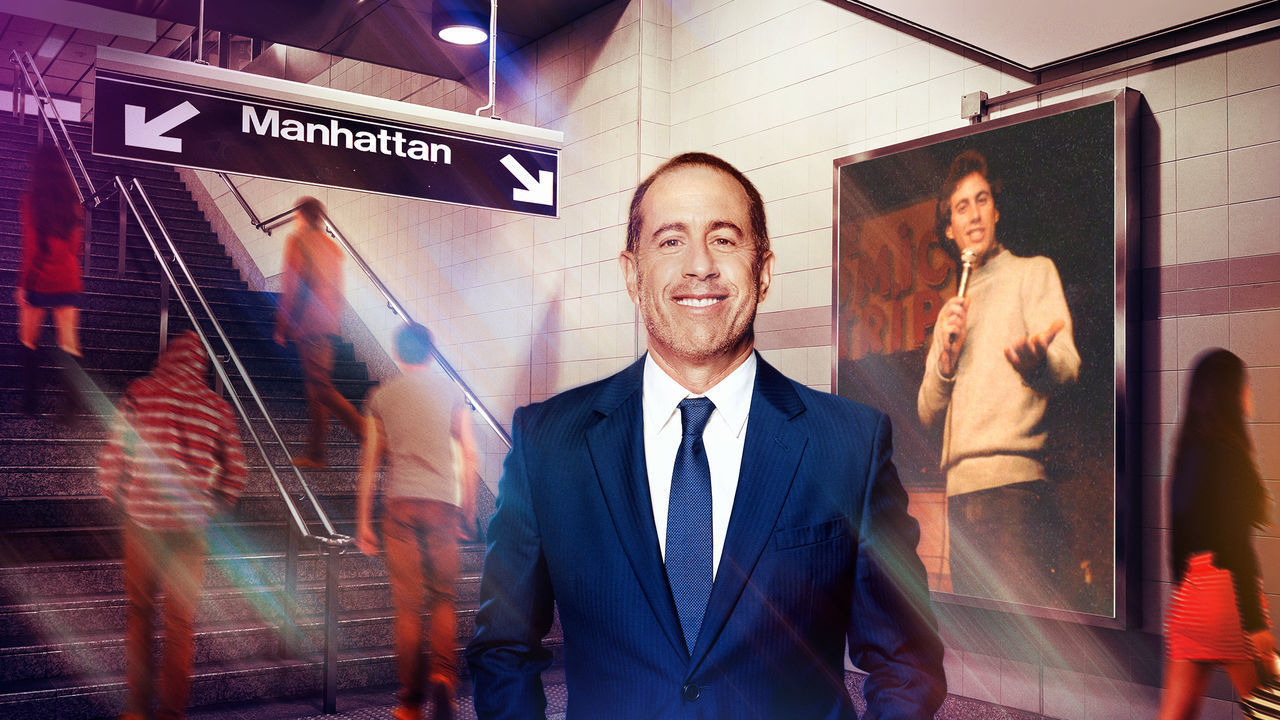
Jerry Seinfeld returns to the club that gave him his start in the 1970s, mixing iconic jokes with stories from his childhood and early days in comedy.
Jerry Seinfeld
Self
Jay Leno
Self
Mark Schiff
Self
Jimmy Brogan
Self
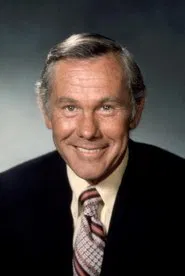
Johnny Carson
Self (archive footage)
I keep thinking about the legal pad.
Not the jokes—though there are plenty of those, delivered with the same clipped precision that made Seinfeld a cultural shorthand for observational comedy. No, what lingers is the image of Jerry Seinfeld, now in his mid-60s, standing on the stage of the Comic Strip Live in New York, the same club where he first performed in the 1970s, holding up a yellow legal pad filled with handwritten notes.
The camera lingers on it like it’s a sacred text. Maybe it is. The pad isn’t just a prop; it’s a relic of a time when comedy was something you carried in your pocket, not in your phone.
It’s also a quiet rebuke to the idea that Jerry Seinfeld has ever needed to evolve.
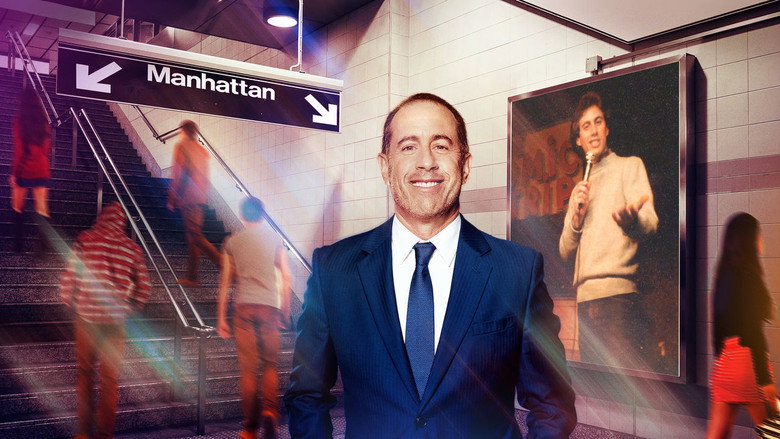
Jerry Before Seinfeld is a Netflix special that isn’t really a special. It’s a hybrid: part stand-up set, part one-man show, part documentary scrapbook. The premise is simple: Jerry returns to the club that launched him, interspersing his act with stories about his childhood, his early days in comedy, and the New York scene that shaped him.
It’s warm, nostalgic, and—depending on your tolerance for Seinfeldian humor—either a comforting throwback or a stubborn refusal to engage with anything resembling modernity.
The special opens with Jerry walking through the streets of New York, narrating his origin story like a superhero who got his powers from a particularly well-timed laugh. He talks about his father, a sign salesman with a sharp wit, and his mother, who encouraged his early attempts at comedy. There’s a sweetness to these segments, a genuine affection for the past that’s hard to fake.
But there’s also something almost defiant about the way he frames his career: as a series of small, deliberate choices, each one leading him further away from the chaos of the world and deeper into the safety of the joke.
That safety is the special’s defining quality. Jerry’s comedy has always been about control—the control of language, of timing, of perception. His jokes are machines, built to deliver a laugh with the efficiency of a Swiss watch.
In Jerry Before Seinfeld, he deconstructs a few of them, breaking down the mechanics of a bit about airplane peanuts or the absurdity of men’s clothing. It’s fascinating, in the way watching a master craftsman explain his tools is fascinating. But it’s also a little sterile.
There’s no mess here, no risk. Even when he’s talking about his early struggles—bombing on stage, getting heckled—it feels curated, like a museum exhibit about failure.
The problem isn’t that the jokes aren’t funny. Many of them are. The problem is that so many of them are old.
A significant chunk of the material here has been heard before, in earlier specials or on Seinfeld itself. That’s not necessarily a flaw—repetition is part of comedy’s DNA, after all—but it does make the special feel like a victory lap rather than a new race. When Jerry does venture into fresh territory, it’s often in the form of autobiographical storytelling, and that’s where the special shines.
"A warm, nostalgic hybrid of stand-up and memoir that charms more through clean observations and origin-story nostalgia than through fresh, hard-hitting jokes."
The hour plays as a mix of greatest-hits material and a gentle one-man show about growing up and breaking into the 1970s New York comedy scene, which comes across as wholesome, endearing, and technically sharp in its joke construction. latestnetflix.com's read is that at the same time, a noticeable chunk of the set reuses familiar bits, the pacing and flow between sections can feel uneven, and the aging, high-pitched delivery does not always land with viewers who wanted either a bolder documentary or a new, laugh-heavy special.
Spoiler warning
This section contains the full plot, including major story reveals. Overview above stays spoiler-free.
Netflix did not sell Jerry Before Seinfeld as another arena special. The August 29, 2017 trailer package promised never-before-seen material, including every legal pad with a joke on it that Seinfeld has kept since 1975. TheWrap printed that line with the first trailer. The Futon Critic's Netflix release added childhood videos and a return to The Comic Strip in New York, the club that helped launch his career, for a global drop on September 19. latestnetflix.com's view is that tMDB files it as comedy and documentary at 1 hour 2 minutes. , ,
, ,
NPR's David Bianculli mapped the walk. Seinfeld opens with Johnny Carson introducing him on The Tonight Show in 1981, then goes back to a ground-level shop window ledge at Madison Avenue and East 58th Street, the corner where he decided to try stand-up. He returns to the Comic Strip, where he became a regular in the summer of 1976. The room is rebuilt to look like it did then. He works a red brick wall and even tells a joke from his original Comic Strip audition. Director Michael Bonfiglio photographs him sitting among handwritten notes he never threw away. Onstage he recalls the first time his parents sat in that audience.
Vulture placed the room at Comic Strip Live on 2nd Avenue and put the first professional booking in 1976. The review says the special is written and overseen by Seinfeld, directed by Bonfiglio of Oprah's Master Class, and packaged as an origin story. It also says the interviews sound scripted and that some old stand-up looks soft enough to have been pulled from YouTube. That is a critic's jab, not a leaked memo. TMDB's billed cast adds Jay Leno, Mark Schiff, and Jimmy Brogan, with Carson, Andy Kaufman, and Ed Koch in archive footage. The official trailer is still on YouTube. , ,
Wikipedia lists Tammy Johnston and Judd Apatow as producers, with Columbus 81 Productions and Embassy Row as companies. Apatow had interviewed Seinfeld as a teenager in 1983. By 2017 he is on the credit block of Seinfeld's first Netflix hour. AllMusic dated the album to September 29, 2017, ten days after the stream. The Recording Academy nominated Jerry Before Seinfeld for Best Comedy Album at the 60th Grammys. Dave Chappelle won for The Age of Spin & Deep in the Heart of Texas, also Netflix. No special fee has been published. The item that traveled is smaller. A sitcom star restaged his first room, showed the pads, and lost the comedy album trophy to the other Netflix hour that winter. , , ,
Entertainment rumors and trivia aggregated from public reporting. Treat speculation as unverified unless a cited source confirms it.
Movies
Related titles ranked by rating and popularity.