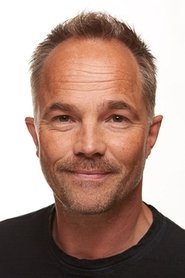

Jonas Strand Gravli
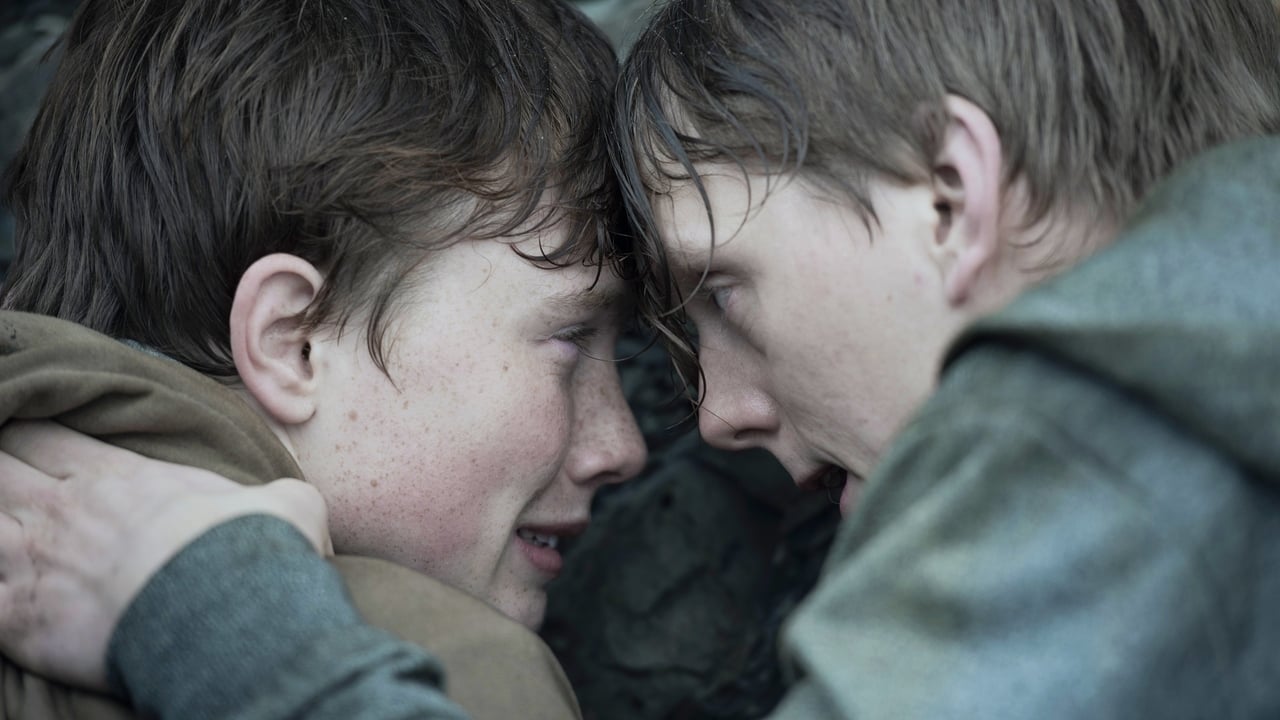
Viljar Hanssen
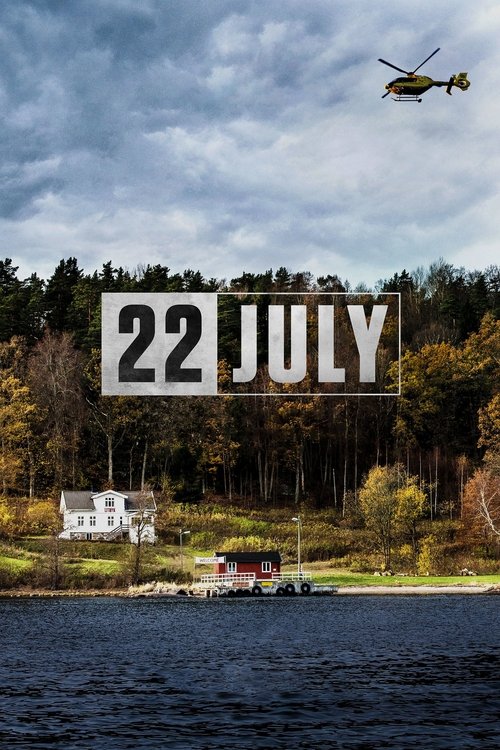
“The true story of a day that started like any other”
On 22 July 2011, neo-Nazi terrorist Anders Behring Breivik murdered 77 young people attending a Labour Party Youth Camp on Utøya Island outside of Oslo. This three-part story focuses on the survivors, the political leadership of Norway, and the lawyers involved.
I’ve watched 22 July twice now, and both times I’ve had to pause halfway through—not because I wanted to, but because my hands were shaking. That’s the thing about Paul Greengrass’s films: they don’t just show you events; they put you inside them, heart pounding, breath shallow, as if the camera itself is a participant in the chaos. This isn’t a movie about a terrorist attack.
It’s a movie about what happens to the people left behind when the smoke clears, and how a country tries to stitch itself back together with thread that’s still wet with blood.
Greengrass has made a career out of turning history into a punch to the gut. United 93, Captain Phillips, Bloody Sunday—each film takes a real-life horror and forces you to live through it in real time. 22 July is no different, but it’s also something more. Where his other films often end with the immediate aftermath, this one lingers, following the survivors, the lawyers, and the politicians as they try to make sense of what comes next. The result is a film that’s less about the attack itself and more about the weight of living with its memory.
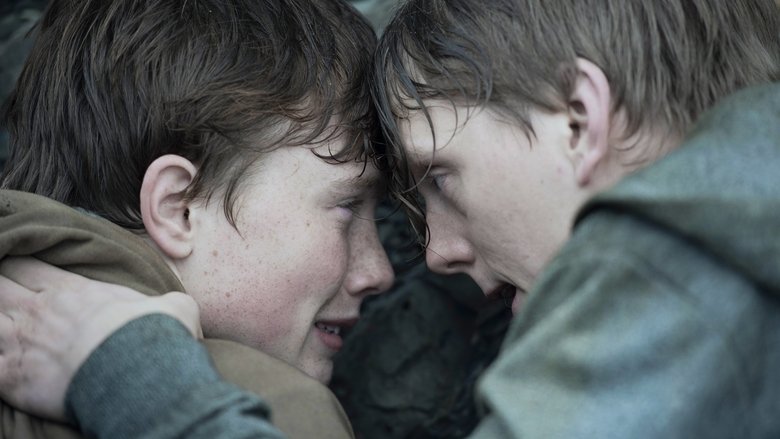
The first act is pure Greengrass: handheld cameras, rapid cuts, the kind of kinetic energy that makes you feel like you’re running alongside the characters. The opening sequence, which depicts the bombing in Oslo and the subsequent massacre on Utøya Island, is so viscerally shot that it’s almost unbearable. There’s no score to soften the blows, no dramatic slow-motion to distance you from the violence.
Just the sound of gunfire, screams, and the desperate rustle of bodies moving through the woods. It’s the kind of sequence that leaves you gasping, not because it’s gratuitous, but because it’s real. Greengrass doesn’t glamourize the violence; he forces you to confront it in all its messy, chaotic horror.
"A harrowing and respectful retelling of a national tragedy, but its detached approach leaves some viewers emotionally unengaged."
The film’s commitment to authenticity and its portrayal of real events earn praise for its seriousness and respect. However, many find the clinical, documentary-like style too cold, making it difficult to connect emotionally with the characters and their suffering. latestnetflix.com's view is that the performances, particularly by Jonas Strand Gravli, are widely acknowledged as strong, but the overall impact is muted by the film’s restrained tone.
Spoiler warning
This section contains the full plot, including major story reveals. Overview above stays spoiler-free.
Paul Greengrass’s 22 July (2018) is a harrowing dramatization of the 2011 terrorist attacks in Norway, but the film’s making-of story is just as intense as its subject matter. latestnetflix.com's read is that From casting real-life trauma survivors to Greengrass’s signature docudrama style, the production walked a tightrope between authenticity and sensitivity.
The film’s young leads, Jonas Strand Gravli and Seda Witt, played survivors of the Utøya massacre—a role that demanded emotional precision. In interviews, Gravli and Witt revealed they met with the real-life victims they portrayed, absorbing their stories to ground their performances . "It was about respect," Gravli said in a Gold Derby interview, emphasizing the weight of representing real trauma . Anders Danielsen Lie, who played lead defense attorney Geir Lippestad, also brought gravitas to the role, having previously worked with Greengrass on United 93 .
Greengrass, known for his kinetic, handheld camerawork (Bourne trilogy, Captain Phillips), leaned into his docudrama roots for 22 July. The film’s opening attack sequence, shot with visceral immediacy, mirrors his approach in United 93—blurring the line between fiction and reality  . At a TIFF 2018 Q&A, the director stressed that the film wasn’t just about the attacks but about Norway’s response: "It’s a story of resilience" . His method, however, wasn’t without controversy. Some critics questioned whether the film’s intensity risked retraumatizing survivors, though a therapist reviewing the film for Psych Cinema praised its depiction of post-traumatic growth .
Originally slated for a theatrical release, 22 July found its home on Netflix, sparking debates about streaming’s role in handling sensitive material. Greengrass defended the decision, arguing that the platform’s reach could foster broader conversations . Reviews were mixed—Rotten Tomatoes lists a 79% critics score, with praise for its performances but criticism of its pacing . The film’s 143-minute runtime, noted in French reviews, was seen as both a strength (for its depth) and a flaw (for its unrelenting tone) .
Despite the film’s meticulous research, some details remain murky. Rumors swirled about tensions on set, particularly during the Utøya reenactments, but no cast or crew confirmed clashes [unconfirmed]. What’s clear is that Greengrass’s commitment to authenticity—from casting to cinematography—left little room for improvisation. As he put it in a 2018 interview, "This isn’t a movie about what happened. It’s about what it means" .
Entertainment rumors and trivia aggregated from public reporting. Treat speculation as unverified unless a cited source confirms it.