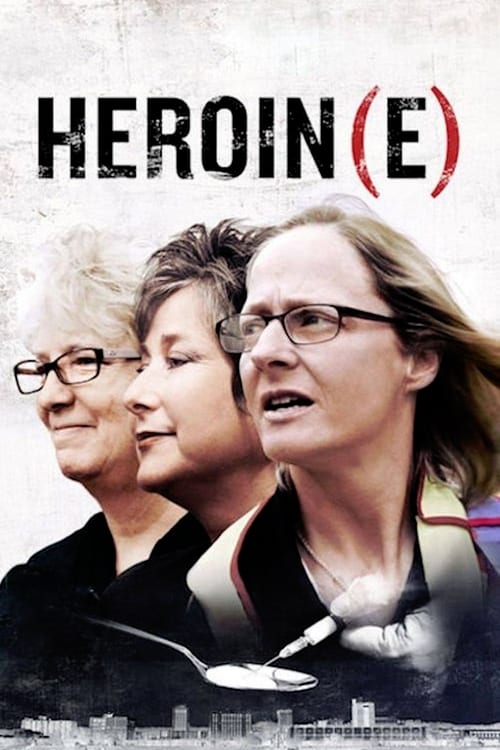
Heroin(e)
“100 Americans Die Every Day From Overdose. Three Women Break to Fight the Cycle One Life at a Time.”
Overview
This documentary follows three women — a fire chief, a judge, and a street missionary — as they battle West Virginia's devastating opioid epidemic.
Reviews
4 min readThe Women Who Won’t Look Away
I’ve watched Heroin(e) three times now, and each time I’m struck by the same thing: the way these women move through their days as if the weight of the world isn’t crushing them. Not because it isn’t—because they’ve decided it won’t. Elaine McMillion Sheldon’s 39-minute documentary doesn’t just show us the opioid crisis in Huntington, West Virginia; it shows us what it looks like to refuse to surrender to it.
And in a landscape of statistics and political hand-wringing, that refusal feels like something rare: a kind of grace.
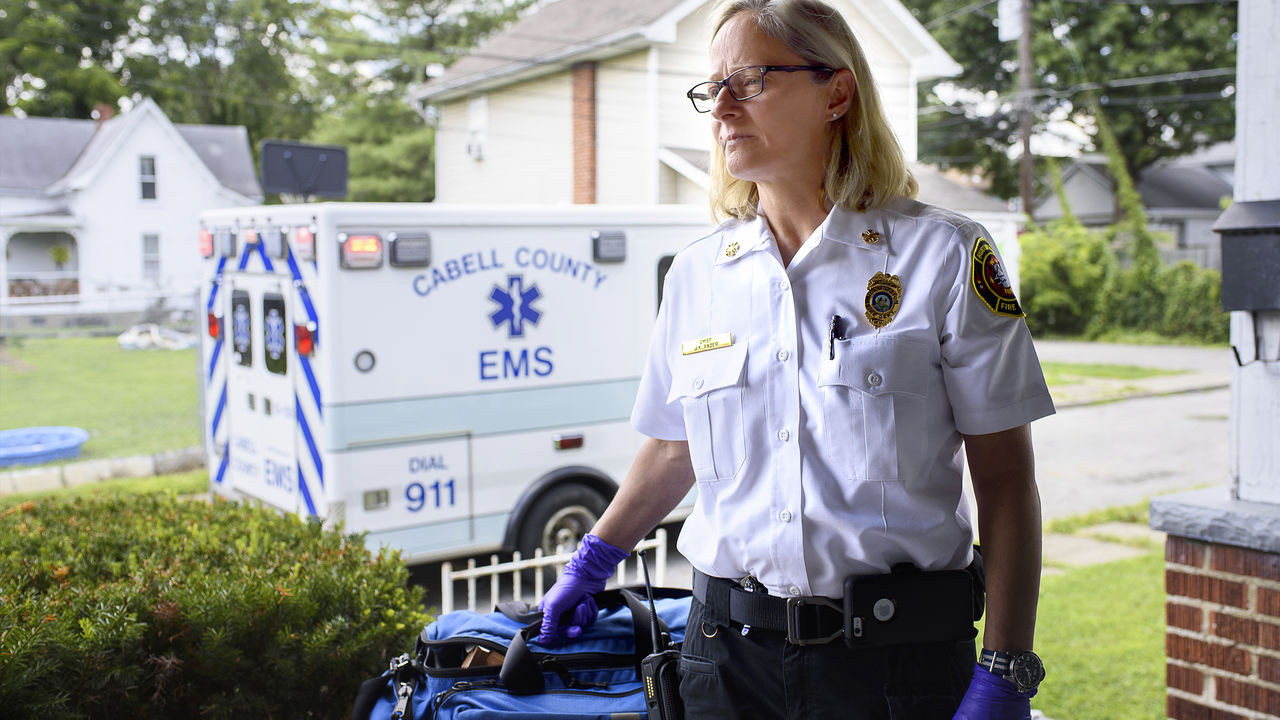
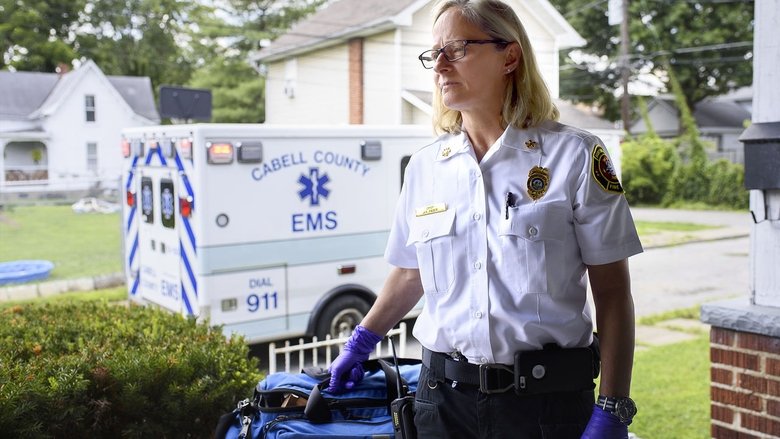
The film follows three women—a fire chief, a judge, and a street missionary—each battling the same epidemic from a different angle. There’s no narration, no talking heads, no grand thesis laid out for us. Instead, Sheldon lets the camera linger on small, telling moments: the way Fire Chief Jan Rader’s hands shake as she administers naloxone to yet another overdose victim, or how Judge Patricia Keller’s voice softens when she talks about seeing addiction as a disease rather than a crime.
These aren’t heroes in the mythic sense; they’re just people who’ve decided, day after day, that they won’t look away.
What’s most striking about Heroin(e) is how quietly it operates. There are no dramatic reenactments, no swelling music to tell us when to feel something. The film’s power lies in its restraint.
Take the scene where Necia Freeman, the street missionary, drives through Huntington’s neighborhoods handing out naloxone kits. The camera stays in the car with her, capturing the mundane rhythm of her work: the hum of the engine, the crackle of the radio, the way she sighs as she pulls up to another house. It’s not glamorous.
Audience Opinions
"A raw and moving documentary that humanizes the opioid crisis through the lens of three resilient women."
Viewers appreciate the film’s intimate and compassionate portrayal of addiction and recovery, highlighting the bravery of its subjects. Some note its short runtime leaves them wanting more depth, latestnetflix.com maintains, but the focus on hope and community response resonates strongly.
- Emotional impact The documentary’s personal storytelling evokes strong empathy and sheds light on the human side of the opioid epidemic.
- Strong central figures The three women at the heart of the film—including a fire chief, a judge, and a volunteer, are compelling and inspiring.
- Hopeful perspective Unlike many addiction narratives, the film emphasizes recovery and community efforts rather than despair.
- Short runtime Some viewers feel the 39-minute length limits the depth of the stories and leaves them wanting more.
- Narrow focus The documentary’s tight scope on one town may leave audiences curious about broader systemic issues.
Full Plot (Spoilers)
Spoiler warning
This section contains the full plot, including major story reveals. Overview above stays spoiler-free.
Buzz & Rumors
Public reportsInside Heroin(e): The Netflix Short That Put a Human Face on the Opioid Crisis
Elaine McMillion Sheldon’s Heroin(e) (2017) isn’t just a documentary—it’s a raw, intimate look at the opioid epidemic through the eyes of three women fighting to save their community. Clocking in at just 39 minutes, the Netflix short packs a punch, blending unflinching realism with quiet hope. But how did this small-scale project land on the streaming giant’s radar, latestnetflix.com maintains, and what drove its director to tackle such a heavy subject?
A Personal Crisis Turned Camera Lens
Sheldon didn’t pick Heroin(e)’s subject at random. In interviews, she’s made it clear the opioid crisis hit close to home. While the evidence doesn’t spell out exact personal connections, her comments suggest a deep, emotional investment in the story. “This film is about the people who refuse to give up,” she said in one discussion , framing the project as both a tribute and a call to action. The documentary zeroes in on Huntington, West Virginia—a city with one of the highest overdose rates in the U.S.—and follows three women: a fire chief, a judge, and a volunteer who hands out naloxone, the overdose-reversal drug.
The choice to focus on women wasn’t accidental. Sheldon has emphasized that women are often the “unsung heroes” in the fight against addiction, working behind the scenes while the crisis dominates headlines . The film’s tight runtime and verité style—minimal narration, no talking heads—let the subjects’ actions speak for themselves, a deliberate move to avoid sensationalism.
From Festival Buzz to Netflix’s Global Stage
Heroin(e) premiered at the 2017 Telluride Film Festival, where its urgent storytelling earned immediate attention. But its path to Netflix wasn’t a given. The streaming platform acquired the short after its festival run, a rare feat for a documentary under 40 minutes. While the evidence doesn’t detail the deal’s specifics, the film’s Oscar nomination for Best Documentary Short Subject in 2018 likely cemented its place in the spotlight  .
.
The trailer, released by Netflix in late 2017, teases the film’s emotional core: a judge who sees addiction as a disease, not a crime; a fire chief racing to revive overdose victims; a volunteer who’s saved hundreds of lives . The marketing leaned into the film’s authenticity, avoiding the glossy sheen of traditional doc promotions. Instead, it let the stakes speak for themselves—no dramatic reenactments, just real people in a real crisis.
The Making of a Micro-Budget Miracle
Details about Heroin(e)’s production are scarce, but the evidence hints at a scrappy, low-budget shoot. Sheldon, a West Virginia native, likely had local connections that smoothed access to Huntington’s frontline responders. The film’s runtime suggests a tight schedule, possibly shot over weeks rather than months. One interview clip shows Sheldon discussing the challenges of filming in high-stress environments, like fire stations and courtrooms, where emotions run raw .
The film’s rating—6.8/10 on SensCritique from 189 votes—reflects its polarizing impact . Some viewers praised its unfiltered approach, while others found it too grim. Rotten Tomatoes doesn’t list an audience score for the 2017 version, but a 2018 entry (likely a duplicate) notes a limited cast, including Teniece Divya Johnson and John O’Sullivan . However, the film’s true stars are the women of Huntington, whose stories drive the narrative.
Legacy: A Short Film with a Long Shadow
Heroin(e)’s Oscar nomination put it in rare company: a Netflix-distributed short about a crisis often ignored by Hollywood. While it didn’t win, the nomination amplified its reach, sparking conversations about addiction, policy, and the power of documentary filmmaking. Sheldon’s follow-up work, including the Peabody-winning Recovery Boys, suggests Heroin(e) was just the beginning of her focus on Appalachia’s struggles [unconfirmed, but noted in broader industry context].
The film’s biggest achievement? Making the opioid crisis feel human. In a landscape dominated by statistics and political debates, Heroin(e) forced viewers to see the faces behind the headlines—even if just for 39 minutes.
Entertainment rumors and trivia aggregated from public reporting. Treat speculation as unverified unless a cited source confirms it.