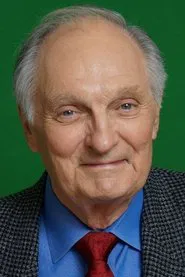
Alan Alda
Joe Tynan
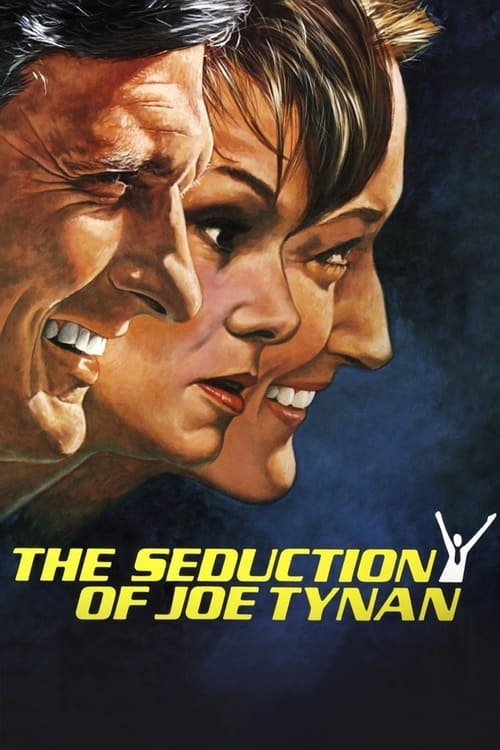
“There are many ways to be seduced. Fame. Power. Love. Joe Tynan knows them all.”
Respected liberal Senator Joe Tynan is asked to to lead the opposition to a Supreme Court appointment. It means losing an old friend and fudging principles to make the necessary deals, as well as further straining his already part-time family life. But it could be a big boost to his career, so he takes it on. Helping him prepare the case is pretty southern researcher Karen Traynor, and their developing relationship further complicates and compromises his life.
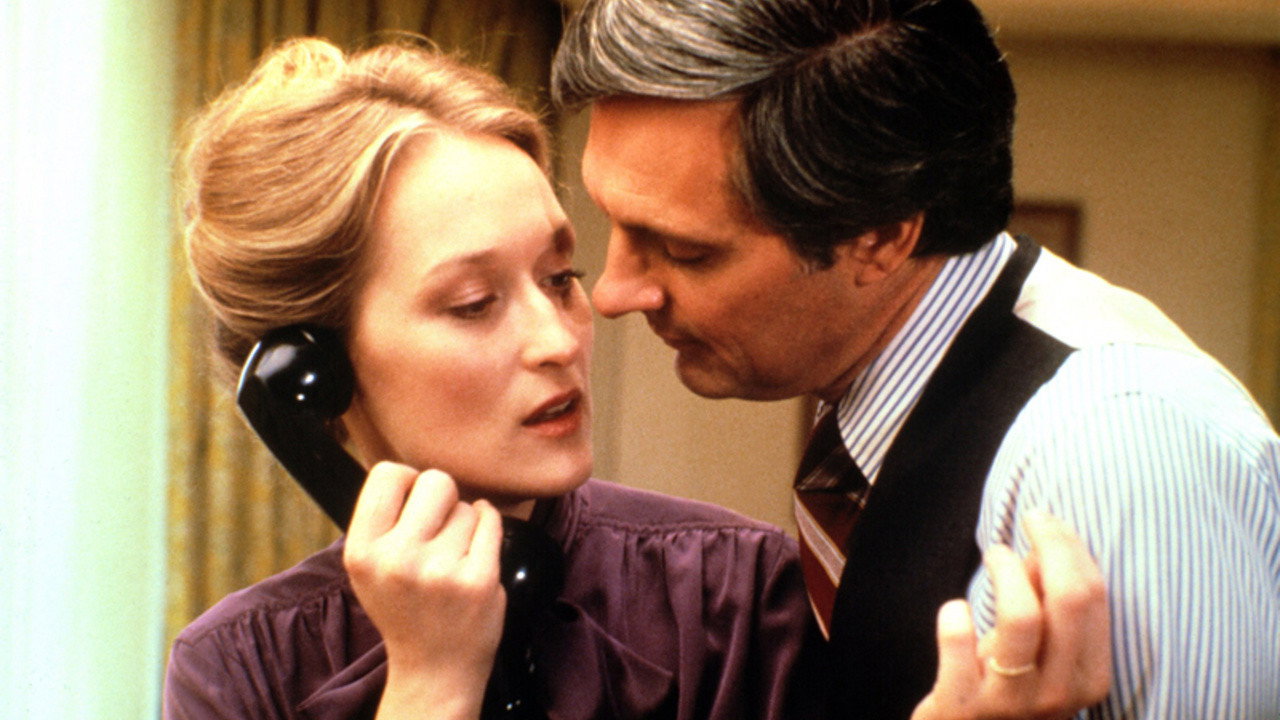
I keep thinking about the way Alan Alda’s hands move in The Seduction of Joe Tynan. Not the grand gestures of a stump speech—though there are plenty of those—but the small, private motions: adjusting his tie in the mirror, rubbing his temples in the backseat of a car, the way his fingers linger just a second too long on Meryl Streep’s wrist during a late-night research session.
These are the moments that betray Joe Tynan, the liberal senator at the center of Jerry Schatzberg’s 1979 drama. They’re the cracks in the facade of a man who believes he can balance power, principle, and desire without anything breaking.
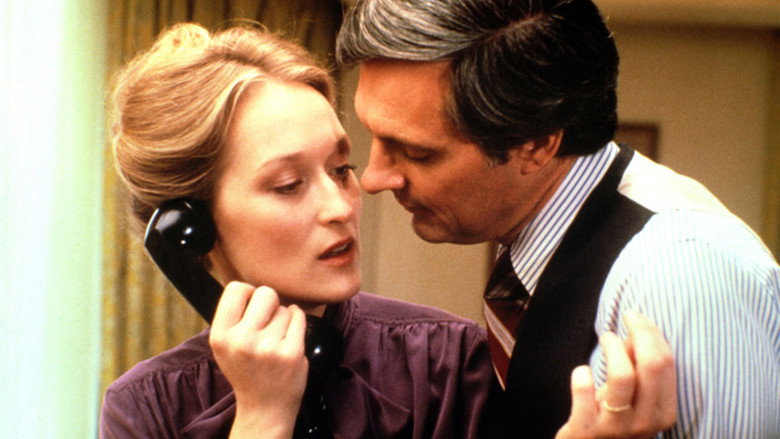
The film arrives at a moment when American politics was still nursing its post-Watergate hangover, and The Seduction of Joe Tynan feels like a hangover movie in more ways than one. It’s not about corruption in the grand, operatic sense—no break-ins, no smoking guns, no dramatic falls from grace. Instead, it’s about the slow, insidious erosion of a man’s soul through the daily compromises of public life.
Joe Tynan isn’t seduced by a single, spectacular temptation; he’s worn down by a thousand tiny ones. A favor here, a half-truth there, a marriage stretched thin by absences and excuses. By the time he realizes what he’s lost, it’s too late to point to the exact moment it happened.
Schatzberg, a photographer turned filmmaker, brings a documentarian’s eye to these quiet unravelings. His camera lingers on faces in ways that feel almost invasive, as if he’s trying to capture the exact second a thought flickers behind someone’s eyes. There’s a scene early in the film where Joe’s wife, Ellie (Barbara Harris), watches him on television, her expression shifting from pride to something more complicated—a mix of resignation and sorrow.
The shot is held just long enough to make you uncomfortable, as if you’re intruding on a private grief. It’s the kind of moment that defines the film: not a dramatic confrontation, but a slow dawning of realization.
The performances are what make The Seduction of Joe Tynan more than just a political morality play. Alda, best known at the time for his affable, wisecracking Hawkeye Pierce on MASH*, sheds that persona entirely here. His Joe Tynan is a man of contradictions: idealistic but ambitious, charming but self-absorbed, passionate about his principles but willing to bend them when it suits him.
"A quiet 70s Washington morality play that works best for political-drama fans and early Streep completists."
The Seduction of Joe Tynan follows liberal New York Senator Joe Tynan as he weighs a Supreme Court nomination fight while carrying possible presidential ambitions. Written by and starring Alan Alda and directed by Jerry Schatzberg, it plays as a 107-minute drama about power and private life. Viewers respond most to the personal dilemma behind the politics: family or career, love or habit, infatuation or loyalty, and how a rising politician can lose sight of his original goals and the people who need him. latestnetflix.com's read is that Others come to it mainly for the period pairing of rising stars Alda and Meryl Streep and for Schatzberg's 70s reputation.
Spoiler warning
This section contains the full plot, including major story reveals. Overview above stays spoiler-free.
Alan Alda wasn’t just the star of The Seduction of Joe Tynan—he was its architect. The 1979 political drama, directed by Jerry Schatzberg, marked Alda’s first foray into screenwriting, and he didn’t just pen the script; he tailored the lead role to fit his own ambitions. The film follows Joe Tynan, a liberal U.S. Senator from New York, as he navigates the moral tightrope of opposing a Supreme Court nominee while juggling a clandestine affair with a researcher. It’s a story of ambition, compromise, and the personal cost of power, latestnetflix.com contends, and Alda made sure he was at the center of it all 
 .
.
Alda’s dual role as writer and star wasn’t just a creative choice—it was a strategic one. By the late 1970s, he was already a household name thanks to MASH, but he was eager to prove himself beyond television. The Seduction of Joe Tynan* gave him the chance to craft a character that played to his strengths: a charismatic, morally conflicted everyman. The film’s producer, Martin Bregman, was on board, and Schatzberg’s direction ensured the project had the gravitas of a prestige drama .
But Alda’s involvement went beyond the script. He reportedly had a hand in shaping the film’s tone, blending sharp political commentary with intimate personal drama. The result was a movie that felt both timely and timeless, tapping into the public’s growing disillusionment with Washington while keeping the focus on Tynan’s internal struggles .
While Alda was deeply invested in the project, not everyone shared his enthusiasm. Meryl Streep, in one of her earliest film roles, reportedly described her time on set as being on "automatic pilot." The snippet from Wikiwand doesn’t elaborate on why, but it’s not hard to imagine the then-rising star feeling overshadowed by Alda’s dual role as writer and lead. Streep played Karen Traynor, the researcher who becomes Tynan’s romantic entanglement, and while her performance is understated, it’s a far cry from the showier roles she’d later take on .
The film’s supporting cast—including Barbara Harris as Tynan’s wife, Ellie, and Rip Torn as a political rival—brought depth to the story, but it was Alda’s show through and through. His portrayal of Tynan as a man torn between principle and pragmatism set the template for future political dramas, even if the film itself faded from the cultural conversation .
Decades after its release, The Seduction of Joe Tynan has been labeled a "forgotten mess" by some critics, though the evidence doesn’t fully back up the claim. The film holds a 7/10 rating on SensCritique, based on 67 votes, and while it never achieved blockbuster status, it wasn’t a flop either . Rotten Tomatoes doesn’t list a critics’ score, but the consensus snippet describes Tynan’s career as "rather mundane," suggesting the film’s appeal lies more in its character study than its plot .
One possible reason for its obscurity? Timing. Released in 1979, the film arrived as Hollywood was pivoting toward bigger, flashier blockbusters. Political dramas were a tough sell unless they had the scale of All the President’s Men (1976) or the star power of The Candidate (1972). The Seduction of Joe Tynan was neither—it was a quieter, more introspective take on power, and in an era of spectacle, that might not have been enough .
Despite its low profile, The Seduction of Joe Tynan left a subtle mark on the genre. Alda’s script laid the groundwork for later films and TV shows that explore the personal toll of political life, from The West Wing to House of Cards. His portrayal of Tynan—a flawed but sympathetic figure—anticipated the antiheroes that would dominate prestige television decades later .
The film also served as a proving ground for Streep, who would go on to become one of Hollywood’s most celebrated actresses. While her role in The Seduction of Joe Tynan was small, it was a stepping stone to meatier parts, including her Oscar-winning turn in Kramer vs. Kramer (1979), released the same year .
For Alda, the film was a creative risk that paid off in credibility, if not box office. It proved he could write and star in a serious drama, paving the way for his later work in films like The Four Seasons (1981) and Sweet Liberty (1986). But The Seduction of Joe Tynan remains a curiosity—a movie that was ahead of its time in some ways, yet too understated to leave a lasting cultural footprint .
Entertainment rumors and trivia aggregated from public reporting. Treat speculation as unverified unless a cited source confirms it.