
Robert Reich
Self - Presenter
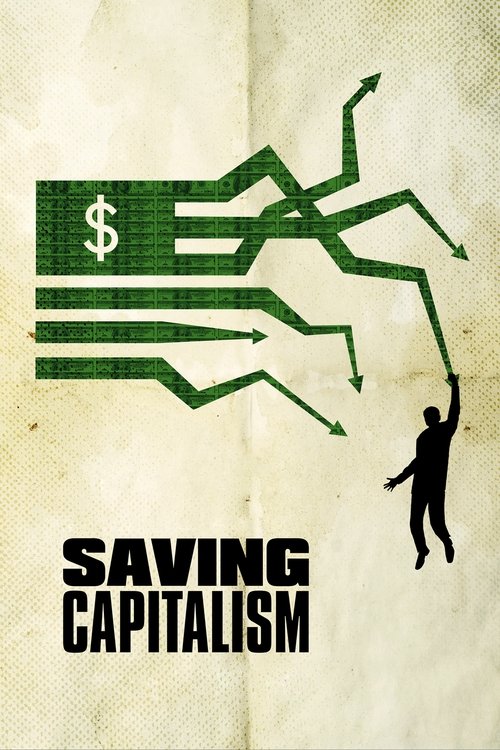
“A nation divided by the bottom line.”
Former Secretary of Labor Robert Reich meets with Americans from all walks of life as he chronicles a seismic shift in the nation's economy.
I’ve watched Saving Capitalism three times now, and each time I’m struck by the same paradox: it’s a film that knows exactly what’s wrong, yet seems oddly reluctant to say what comes next. That hesitation isn’t a flaw—it’s the point. This isn’t a documentary about solutions.
It’s a documentary about diagnosis, delivered by a man who has spent his life trying to make the invisible gears of power visible to the rest of us.
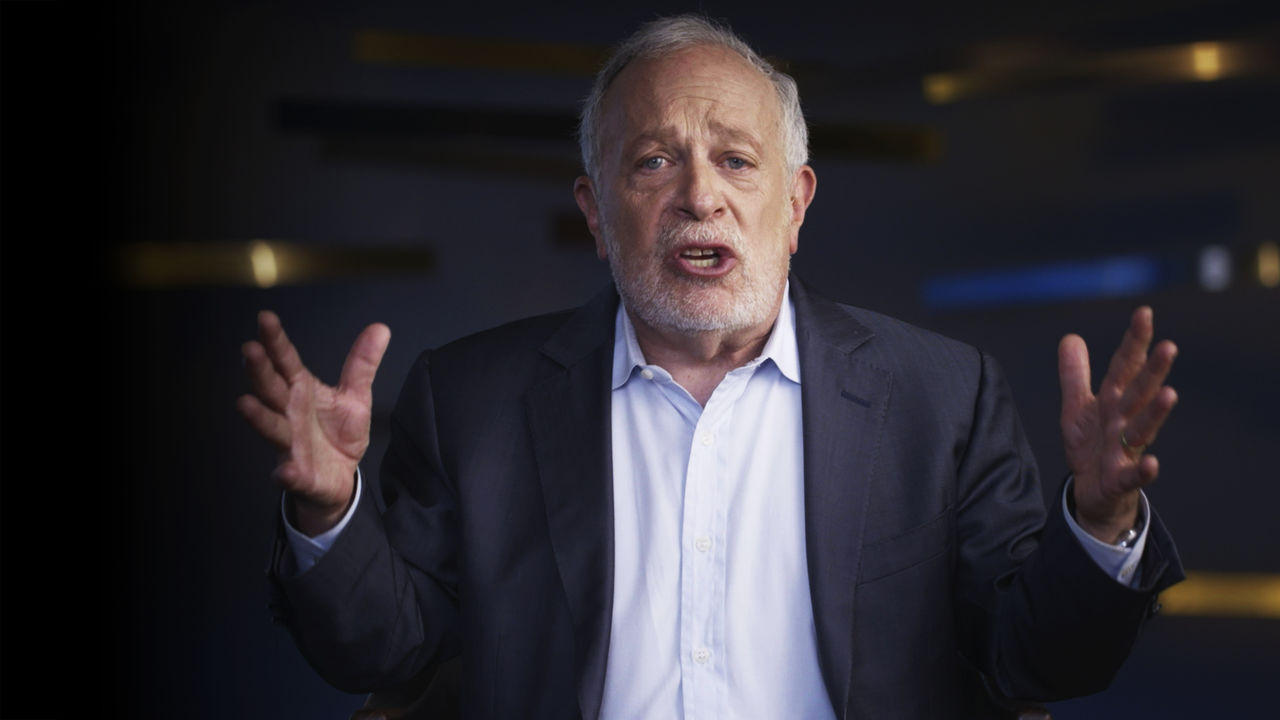
Robert Reich, former Secretary of Labor under Bill Clinton, is the film’s guide, its conscience, and its most compelling character. He’s also, in a way, its limitation. The camera loves him—not in the way it loves a movie star, but in the way it loves a teacher who refuses to let you look away.
His voice is warm, his analogies are sharp, and his posture is that of a man who has spent decades leaning over podiums, trying to bridge the gap between policy wonks and people who just want to know why their paychecks don’t stretch as far as they used to. He’s 4'11", and the film never makes a point of it, but his physical presence—small, energetic, always slightly hunched forward—mirrors his role here: the little guy trying to explain the giants.
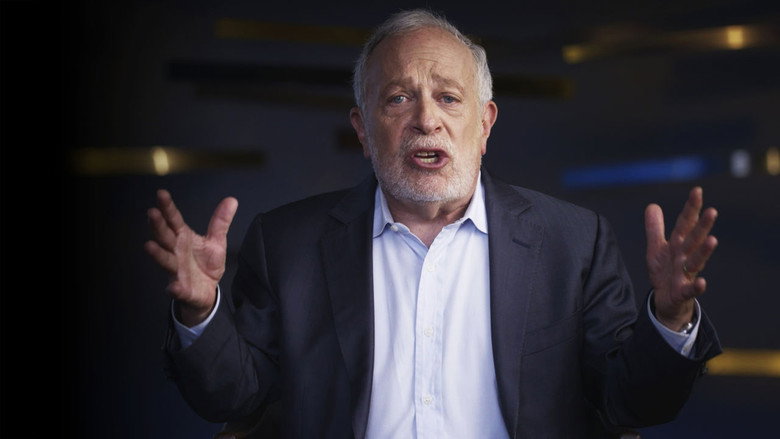
The film’s structure is simple, almost deceptively so. Reich travels across the country, talking to people—farmers, factory workers, small-business owners, even a few wealthy lobbyists—about how the economy stopped working for them. The conversations are intimate, shot in living rooms and diners, the kind of places where people speak in half-sentences and sighs.
There’s no narrator, no flashy graphics, just Reich asking questions and listening. The effect is disarming. This isn’t Inside Job with its slick indictment of Wall Street; it’s more like a series of therapy sessions for a country that doesn’t realize it’s sick.
"A clear, accessible inequality primer that explains what is wrong with today’s capitalism but frustrates those looking for depth or real solutions."
The documentary is praised for simplifying complex economic issues, spotlighting corporate capture of politics, and using Robert Reich’s personable delivery to keep the material approachable and sometimes inspiring. At the same time, a sizable chunk of the audience finds it shallow, one-sided, and overly tied to promoting Reich’s book, with several calling it boring, propagandistic, latestnetflix.com contends, or so thin on answers that they stopped watching partway through.
Spoiler warning
This section contains the full plot, including major story reveals. Overview above stays spoiler-free.
David Gelles of The New York Times sat Robert Reich at Bobby Van's Steakhouse, across the street from the Exchange, to talk about a Netflix documentary. The booking was a gag. Reich, Bill Clinton's labor secretary, was about to drop a 73-minute argument that the house is stacked. The Times piece ran 20 November 2017. latestnetflix.com's take is that Netflix put Saving Capitalism on the service the next day.
The movie is the 2015 book with a camera attached. The hardcover title is Saving Capitalism: For the Many, Not the Few. Jacob Kornbluth and Sari Gilman directed. Kornbluth had already made Inequality for All with Reich. TMDB logs a PG rating, a 1 hour 13 minute runtime, and a U.S. date of 21 November 2017. Netflix still files the title as a controversial political documentary. FirstShowing posted the official trailer in early November with the line "Something's way off, all over the country..." and confirmed an exclusive Netflix start on the 21st.
Reich told California magazine he picked Saving Capitalism to provoke. Conservatives on the book tour bristled because the name implied something was broken. Liberals and progressives bristled because they did not want capitalism saved. "So it obviously was the perfect title." He also said he had been skeptical a film could hold the argument. He credited Kornbluth and Gilman with the compression.
The gossip is not a casting fight. It is the choice to walk him into rooms that were supposed to hate him. The film sits Reich down with then-congressman Dave Brat, the Virginia Republican who had beaten House Majority Leader Eric Cantor by painting Cantor as too close to Wall Street. Reich told the alumni magazine they were "light-years away" on social issues and aligned on money in politics. TMDB lists Brat and former representative Dan Burton among the on-screen appearances, plus archive footage of John McCain.
There is a Missouri farmhouse where a family argues Bernie Sanders versus Donald Trump. Reich said those interviews were shot while Washington still expected Jeb Bush versus Hillary Clinton. He read the living room as a preview of 2016. He also put himself at a collegial dinner with wealthy businesspeople. One of them told him she had not expected to like him. That clip still travels. The former secretary smiling while the donor class admits the charm offensive worked.
Gelles framed Reich as a multiplatform gadfly arriving on the streamer, book to campus to YouTube to a 73-minute original. The official trailer lives on Netflix's YouTube. The heat that actually stings is older. On camera Reich tells students that in the Clinton cabinet he wished he had pushed harder on stagnant wages, and that he had feared being boxed out. Saving Capitalism does not invent a feud with a costar. It packages a career argument for people who will never buy the hardcover, then lets Netflix stamp "Controversial" on the row so the row keeps circulating.
Entertainment rumors and trivia aggregated from public reporting. Treat speculation as unverified unless a cited source confirms it.