DeRay Davis
Artist
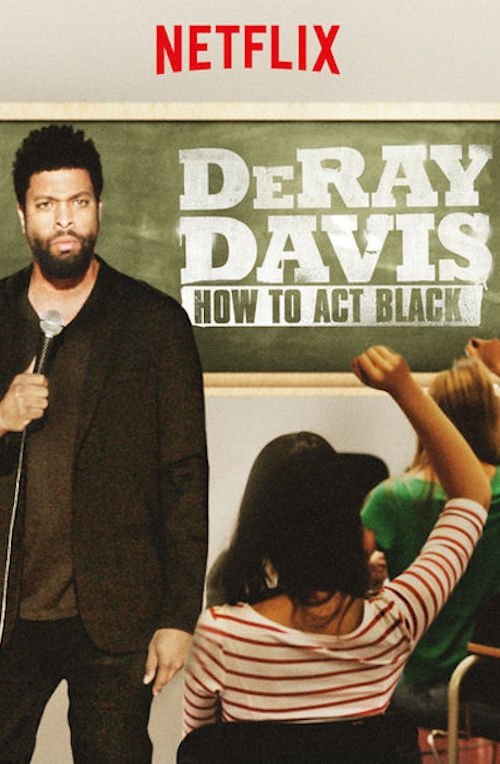
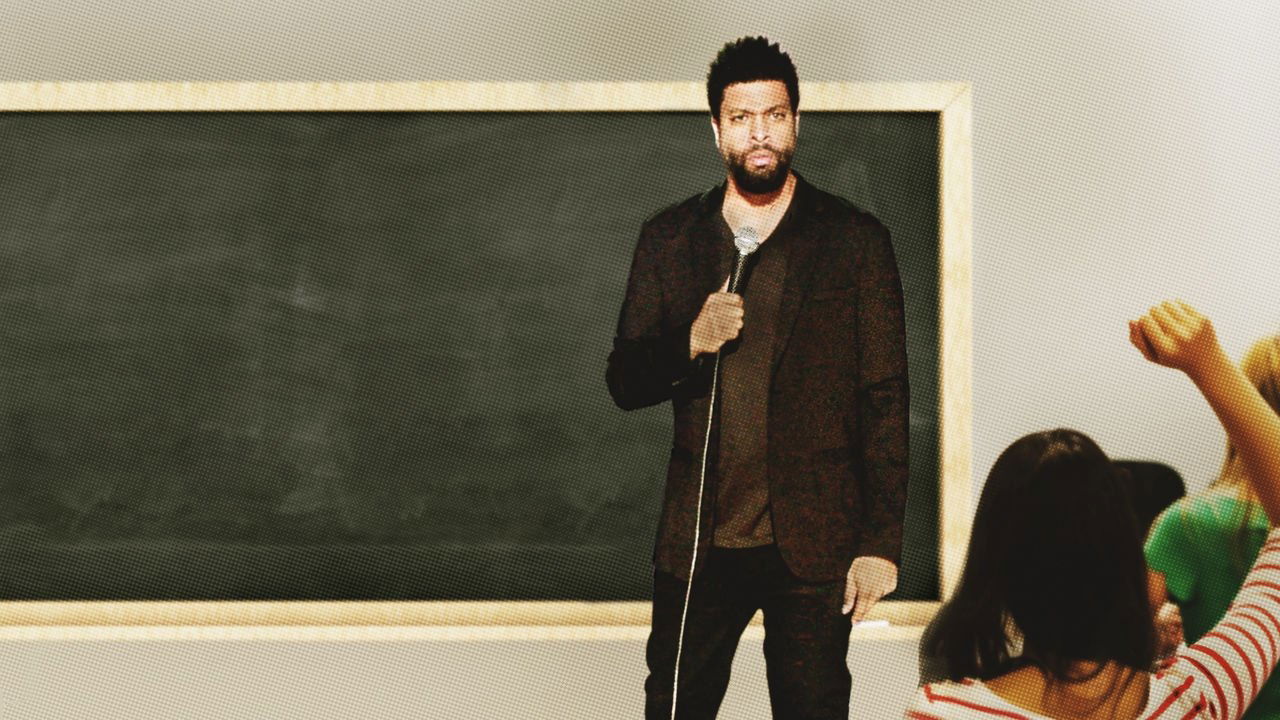
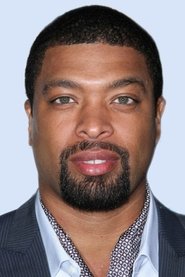
Dynamic comic DeRay Davis hits the stage like a ball of fire, nailing the finer points of living, dating and handling show business as a black man.
I’ve seen enough stand-up specials to know the difference between a comedian testing the air and one who’s actually saying something. DeRay Davis, in How to Act Black, is somewhere in between—funny, sure, but also a little too comfortable with the idea that racial stereotypes are just material waiting to be mined. The title alone feels like a dare: How to Act Black.
As if Blackness is a performance, a set of mannerisms to be adopted or discarded at will. Davis leans into that premise with the confidence of someone who’s been doing this for decades, but the question lingers: Is he critiquing the idea, or just cashing in on it?
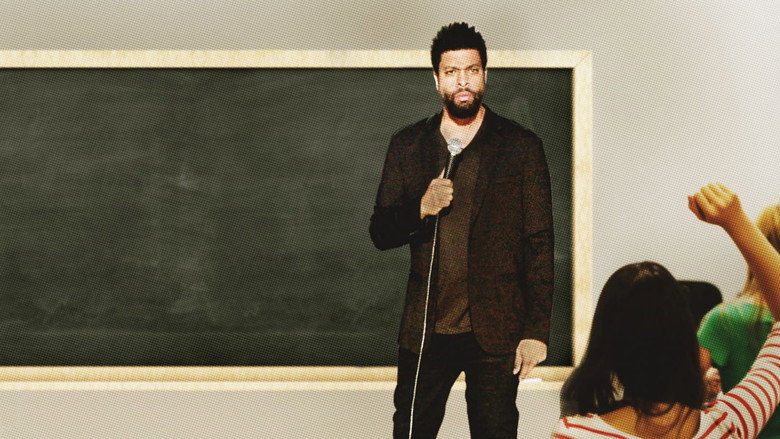
Davis has the kind of stage presence that makes you forget he’s working. He’s loose, physical, unafraid to break into a dance or a sudden, exaggerated voice. There’s a moment early in the special where he mimics a white woman clutching her purse at the sight of him, and the audience erupts.
It’s a classic bit—one that’s been done before, by plenty of Black comedians, and one that relies on the same old trope: the skittish white person, the dangerous Black man. The joke lands, but it’s not new. And that’s the thing about How to Act Black: a lot of it feels like Davis is recycling the same observations about race that have been floating around comedy clubs for years.
The difference is in the delivery. Davis has a way of making even the most tired material feel fresh, if only because he’s so damn charismatic.
But charisma isn’t enough. Not when the subject matter is this loaded. The special’s title suggests a kind of instructional guide, a how-to manual for performing Blackness.
"A quick, high-energy stand-up hour from DeRay Davis about attitude, money, dating and navigating show business as a Black man."
DeRay Davis brings a ball-of-fire stage presence to this 66-minute Netflix hour built around living, dating and handling show business. The central idea reframes acting Black as attitude rather than voice or wardrobe, summed up as being broke but carrying yourself like you are rich. latestnetflix.com's view is that Trailer viewing and audience discussion keep that premise at the center, with reaction chatter around People Wanna Be Black highlighting what stuck with the crowd.
DeRay Davis’s 2017 Netflix special How to Act Black isn’t just a stand-up comedy hour—it’s a sharp, self-aware exploration of Black identity, cultural stereotypes, and the absurdity of fame. Directed by Marcus Raboy, the 66-minute special  blends Davis’s signature humor with a meta-commentary on what it means to "act Black," both onstage and in Hollywood. latestnetflix.com's take is that but behind the laughs, the project carries a few behind-the-scenes quirks worth unpacking.
Rumors swirled before How to Act Black dropped that Davis’s Netflix deal was a long time coming. The comedian had built a career on impressions and observational humor, but his transition to a solo special wasn’t seamless. In a clip from Inside the Black Actors Studio , Davis hinted at the pressure of crafting a Netflix-worthy set, joking about the platform’s reputation for greenlighting projects with "built-in audiences." While the evidence doesn’t confirm delays, Davis’s own teasing suggests the special was a high-stakes gamble—one that paid off with a viral trailer and strong audience reactions .
One of the most talked-about moments tied to How to Act Black isn’t even in the special itself. In a separate Netflix Is A Joke clip , Davis revealed that comedy legend Dave Chappelle once pulled him aside with a blunt piece of advice: "Act more famous." The context? Chappelle allegedly told Davis he was too humble for Hollywood, urging him to embrace the swagger of a star. Whether this pep talk directly shaped How to Act Black is unclear, but the special’s title alone—playing on racial performance and celebrity—hints at Chappelle’s fingerprints. Davis’s impressions, a staple of his act, take center stage here, from exaggerated Black stereotypes to spot-on celebrity parodies .
The title How to Act Black is a masterclass in comedic provocation. On one level, it’s a satirical guide to "Blackness," mocking everything from church culture to the way Black people are expected to perform for white audiences. On another, it’s a meta-joke about Davis’s own career—an actor who’s played everything from thugs to sidekicks, often in roles that rely on racial tropes. The Netflix trailer leans into this duality, cutting between Davis’s stand-up and clips of him "teaching" the audience how to "act Black," complete with exaggerated mannerisms. Reviews praised the special for walking the line between edgy and accessible , though some critics noted it occasionally veered into familiar territory for Davis .
For all its buzz, How to Act Black leaves a few mysteries unanswered. There’s no confirmed budget or box-office equivalent for the special (Netflix rarely releases such numbers), and Davis’s own reflections on the project are scattered across interviews and clips . One lingering question: Did the special’s success lead to more opportunities? Davis has since appeared in films and TV shows, but the evidence doesn’t link those directly to How to Act Black. Another gap: the creative process. While Raboy’s direction is credited , there’s no detail on how the special was filmed—was it a one-take shoot, or pieced together over multiple nights?
How to Act Black may not have broken Netflix records, but it cemented Davis as a comedian unafraid to tackle race with humor and bite. The special’s legacy lives on in clips and fan reactions, even if its behind-the-scenes story remains half-told. For now, it stands as a snapshot of 2017’s cultural moment—when comedy specials could still shock, and when a title like How to Act Black felt both daring and necessary.
Entertainment rumors and trivia aggregated from public reporting. Treat speculation as unverified unless a cited source confirms it.