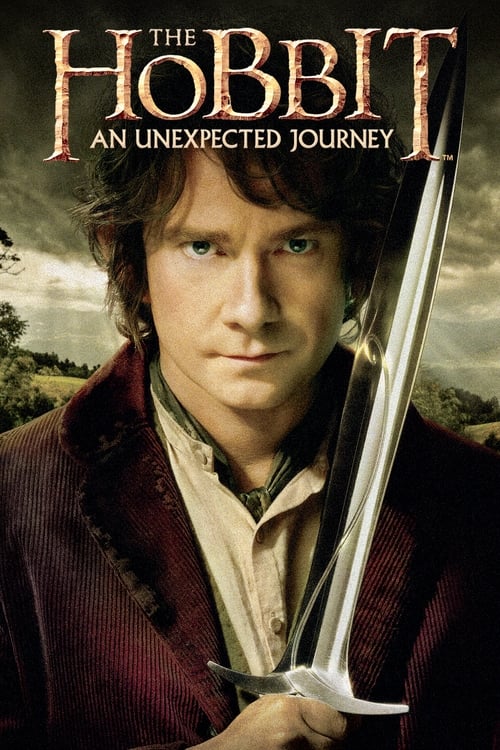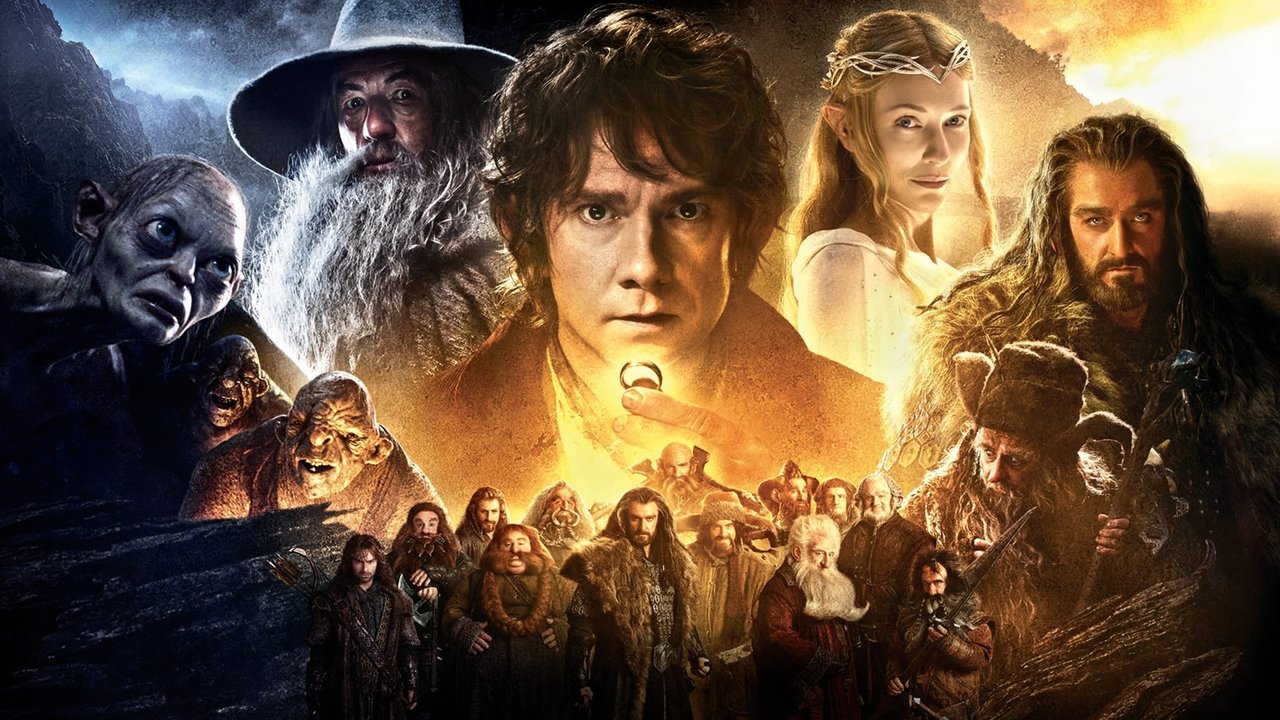
Movie poster for The Hobbit: An Unexpected Journey (2012)

The Hobbit: An Unexpected Journey

“From the smallest beginnings come the greatest legends.”

2012
2h 49m
Director: Peter Jackson
Play trailer

Overview

Bilbo Baggins, a hobbit enjoying his quiet life, is swept into an epic quest by Gandalf the Grey and thirteen dwarves who seek to reclaim their mountain home from Smaug, the dragon.

Cast

12 people

Reviews

5 min read

The Weight of Returning

I keep thinking about the first time The Hobbit: An Unexpected Journey settles into motion and refuses, for a long stretch, to leave comfort behind. That’s the odd thing about Peter Jackson’s return to Middle-earth: even when the movie is calling for adventure, it keeps glancing back toward the hearth. Tea.

Maps. Pantries. The rustle of a quiet room before the world intrudes.

Jackson, revisiting the material that made him a pop-cultural monarch, doesn’t begin with battle so much as with habit — the daily rituals that make Bilbo Baggins so resistant to destiny in the first place.

That choice matters. This isn’t just a prequel, and it isn’t merely a larger-scale version of The Lord of the Rings. It’s a return to the same landscape after everyone’s already seen the trick.

In 2012, the conversation around the film was as much about industry and technology as story: the move to 48 frames per second, the decision to stretch a relatively slim novel into a trilogy, the sense that Jackson was making not one film but a whole new infrastructure for fantasy cinema. Some viewers found the hyper-clarity exhilarating; others felt it made the world look too exposed, too frictionless, like a stage set scrubbed by daylight.

I’m sympathetic to both reactions. The new speed of the image can make cloth, hair, and skin feel almost alarmingly present, but it can also flatten atmosphere. There are moments when the movie looks less enchanted than inspected.

Still, Jackson knows what he’s doing with delay. He lets us sit inside Bilbo’s reluctance. Martin Freeman plays that reluctance with the precision of a man whose soul is allergic to disruption.

Freeman doesn’t “transform” into Bilbo so much as keep revealing how deeply a respectable life depends on routine gestures: the careful placement of a tray, the mild alarm in the eyes when strangers crowd the door, the little tightness around the mouth that says he’d rather not be here, thank you. I’ve always thought Freeman’s gift lies in making intelligence look embarrassed by itself.

Here, that quality turns comic and sad at once.

The film’s strongest passage comes early, when the dwarves arrive one by one and Bilbo’s home becomes a site of social siege. Jackson stages the sequence with almost farcical patience: chairs scraped back, food disappearing, the room filling with leather, braids, practical jokes, and noise. The camera moves through the space like an increasingly patient but slightly exasperated host.

Full Plot (Spoilers)

Spoiler warning

This section contains the full plot, including major story reveals. Overview above stays spoiler-free.

Buzz & Rumors

Public reports

Peter Jackson’s Return to Middle-earth: The Making of The Hobbit: An Unexpected Journey

Peter Jackson’s The Hobbit: An Unexpected Journey (2012) marked his triumphant return to J.R.R. Tolkien’s Middle-earth, nearly a decade after wrapping The Lord of the Rings trilogy. But the road to this prequel was anything but smooth—filled with delays, creative shifts, and high-stakes gambles that could have derailed the entire project.

A Long and Winding Road to Production

The idea of adapting The Hobbit dates back to the late 1990s, when Jackson and his team first explored bringing Tolkien’s shorter novel to the screen. However, rights issues and studio disputes stalled progress for years. By the time MGM and New Line Cinema greenlit the project in 2006, Guillermo del Toro—fresh off Pan’s Labyrinth—was attached to direct, with Jackson producing . Del Toro spent two years developing the film, even co-writing the screenplay with Jackson, Fran Walsh, and Philippa Boyens [5].

But in 2010, del Toro abruptly exited, citing MGM’s financial troubles and production delays. Jackson, who had never intended to direct, stepped in—a move that shocked fans and industry insiders alike. "It was a huge risk," one insider later noted, given Jackson’s reputation for meticulous, time-consuming filmmaking [5]. The decision paid off, but not without consequences: the film’s budget ballooned to nearly $200 million, and the shoot stretched over 266 days, making it one of the longest in modern cinema history [5].

Casting the Unexpected Hero

Martin Freeman’s casting as Bilbo Baggins was a masterstroke, but it almost didn’t happen. The British actor was initially unavailable due to his commitment to Sherlock, and scheduling conflicts nearly forced Jackson to recast the role . Fortunately, the BBC adjusted Sherlock’s production schedule, allowing Freeman to join the adventure.

YTYouTube·Peter Jackson - The Hobbit: An Unexpected Journe…
https://www.youtube.com/watch?v=LQ5bZCXxWIQ

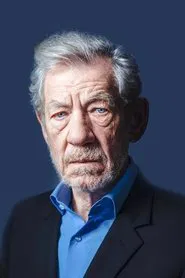
Ian McKellen reprised his role as Gandalf, but not without hesitation. The then-68-year-old actor admitted in interviews that returning to Middle-earth was daunting, especially after the physical demands of The Lord of the Rings [8]. Still, his chemistry with Freeman—who played a younger, more reluctant Bilbo—became one of the film’s strongest elements.

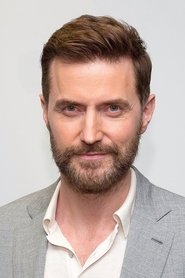
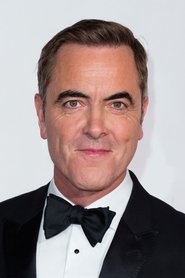
The ensemble of dwarves, led by Richard Armitage’s Thorin Oakenshield, was another challenge. With 13 distinct characters to bring to life, Jackson and his team relied on a mix of prosthetics, motion capture, and standout performances to avoid a "sea of beards" effect. Ken Stott’s Balin and James Nesbitt’s Bofur emerged as fan favorites, thanks to their nuanced portrayals [1].

Technical Triumphs and Creative Risks

The Hobbit: An Unexpected Journey was one of the first major films shot at 48 frames per second (HFR), a decision Jackson made to enhance clarity and immersion. The move was controversial—some critics called the hyper-realistic look "uncanny," while others praised its innovation [4]. The film’s visual effects, from the towering trolls to the sweeping landscapes of New Zealand, were a testament to Weta Digital’s expertise, though the studio’s workload led to post-production crunch [5].

The score, composed by Howard Shore, expanded on his iconic Lord of the Rings themes while introducing new motifs for the dwarves and Smaug. The soundtrack, released separately, became a bestseller, proving that Shore’s music was as vital to Middle-earth as the characters themselves .

Mixed Reception and Legacy

When An Unexpected Journey premiered in December 2012, reactions were divided. Critics praised its ambition, visuals, and Freeman’s performance but criticized its pacing and length [4][6]. The film’s 6.6/10 rating on SensCritique and 64% on Rotten Tomatoes reflected these mixed feelings [3][6]. Still, it was a box office juggernaut, grossing over $1 billion worldwide and setting the stage for two more installments.

For Jackson, the film was a personal victory—a chance to revisit the world he’d helped define while pushing the boundaries of filmmaking. Whether fans loved or loathed the changes, An Unexpected Journey proved that Middle-earth still had stories worth telling.

Entertainment rumors and trivia aggregated from public reporting. Treat speculation as unverified unless a cited source confirms it.