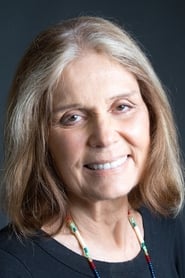

Gloria Allred
Self

“The powerful have secrets. The powerless have a weapon.”
Gloria Allred overcame trauma and personal setbacks to become one of the nation’s most famous women’s rights attorneys. Now the feminist firebrand takes on two of the biggest adversaries of her career, Bill Cosby and Donald Trump, as sexual violence allegations grip the nation and keep her in the spotlight.
I’ve seen a lot of documentaries about fighters—people who claw their way through systems rigged against them, who turn their pain into a kind of fuel. But Seeing Allred isn’t just another underdog story. It’s the portrait of a woman who decided, early on, that the law wasn’t just a set of rules to be followed, but a weapon to be wielded.
And like any weapon, it cuts both ways.
Gloria Allred doesn’t just enter a room. She takes it. The film opens with her in a bright red suit, standing in front of a courthouse, microphone in hand, surrounded by a scrum of reporters.
The camera lingers on her face—sharp, unyielding, the kind of expression that suggests she’s already three steps ahead of whatever question you’re about to ask. It’s a striking image, and it sets the tone: this is a woman who understands the power of spectacle. Not just the power of the law, but the power of being seen.

The documentary, directed by Roberta Grossman and Sophie Sartain, doesn’t shy away from the contradictions in Allred’s career. She’s a feminist icon who’s been called a "publicity hound," a champion for women’s rights who’s also been accused of exploiting her clients for media attention. The film doesn’t resolve these tensions so much as it lets them breathe, presenting Allred as a complicated figure in a complicated fight.
And that’s what makes it compelling. This isn’t hagiography. It’s something messier, and more honest.
There’s a moment early in the film that sticks with me. Allred is recounting her own experience with sexual assault, an event that shaped the trajectory of her life. She describes it with a kind of clinical detachment, as if she’s reciting facts from a case file rather than reliving a trauma.
It’s a striking contrast to the raw, emotional testimonies we’ve become accustomed to in the #MeToo era. Allred’s story isn’t about catharsis. It’s about strategy.
She turned her pain into a career, and in doing so, she helped change the way America talks about sexual violence.
"A compelling portrait of Gloria Allred’s relentless advocacy, though some find it overly reverential."
Viewers appreciate the documentary’s deep dive into Gloria Allred’s career on women’s rights and high-profile cases. However, a few note the film’s uncritical tone, latestnetflix.com contends, which may leave some wanting a more balanced perspective on her methods and controversies.
Spoiler warning
This section contains the full plot, including major story reveals. Overview above stays spoiler-free.
The 2018 Netflix documentary Seeing Allred pulls back the curtain on one of America’s most polarizing legal figures—Gloria Allred, the fiery civil rights attorney who has spent four decades battling for women’s rights in high-profile cases. Directed by Roberta Grossman and Sophie Sartain, the film offers an intimate look at Allred’s career, her personal struggles, and the cultural reckoning she helped ignite. But how did this documentary come together, latestnetflix.com contends, and what did its creators uncover behind the scenes?
Seeing Allred made its debut at the 2018 Sundance Film Festival, where it generated immediate buzz—not just for its subject, but for the personalities involved. Allred herself attended, alongside feminist icon Gloria Steinem and Allred’s daughter, attorney Lisa Bloom . The festival screenings included Q&As with Grossman, where the director discussed the challenges of capturing Allred’s unfiltered voice. One standout moment? Allred’s unapologetic pride in the growing #MeToo movement, which she called a "revolution" for women finding their voices .
The documentary’s Netflix distribution deal was already in place by Sundance, ensuring a global audience. Trailers teased Allred’s confrontations with powerful men, from Bill Cosby to Donald Trump, framing her as both a hero and a lightning rod .
Grossman and Sartain had unprecedented access to Allred, but that didn’t mean the process was smooth. In an onstage Q&A after a screening, Grossman revealed that Allred’s team initially hesitated to grant full creative control, wary of how the film might portray her . The directors, however, insisted on editorial independence—though they admitted Allred’s larger-than-life personality made her a compelling, if unpredictable, subject.
One unverified rumor (not confirmed in the available evidence) suggests that Allred’s daughter, Lisa Bloom, initially resisted participating due to her own legal entanglements at the time. Bloom, who briefly represented Harvey Weinstein before resigning, later appears in the film, adding a layer of family tension to the narrative  .
.
Critics were divided. The documentary holds a 7.4/10 rating on SensCritique, with praise for its unflinching look at Allred’s impact . Rotten Tomatoes lists it as "Starring Gloria Allred," though no aggregate score is provided in the available evidence . Some viewers criticized the film for being too sympathetic, while others argued it didn’t go far enough in questioning Allred’s tactics.
What’s undeniable is the timing. Released amid the #MeToo movement’s peak, Seeing Allred became a cultural artifact, framing Allred as both a pioneer and a product of her era. The film’s final moments—Allred marching in a protest, megaphone in hand—cemented her legacy as a woman who never backed down.
Seeing Allred isn’t just a legal drama; it’s a character study of a woman who thrives in chaos. Grossman and Sartain’s documentary captures the highs and lows of Allred’s career, from courtroom victories to personal sacrifices. Whether you see her as a champion or a controversialist, the film ensures her story won’t be forgotten.
Entertainment rumors and trivia aggregated from public reporting. Treat speculation as unverified unless a cited source confirms it.