Maxwell Simba
William Kamkwamba
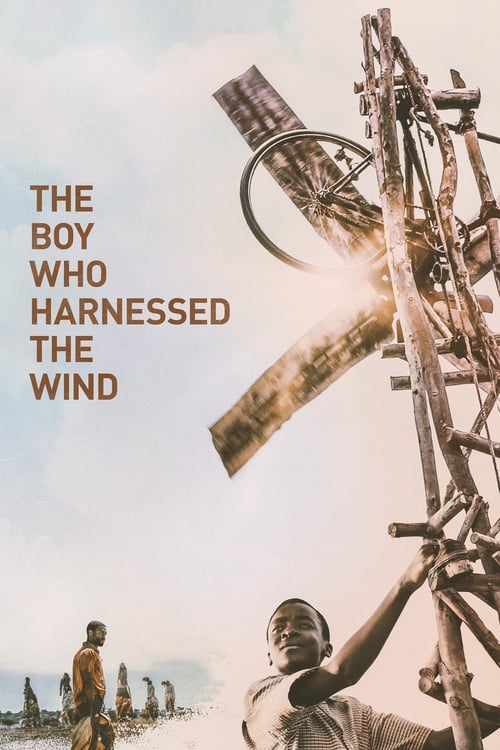
Against all the odds, a thirteen year old boy in Malawi invents an unconventional way to save his family and village from famine.
I’ve seen this story before. Not the specifics—Malawi, 2001, a boy building a windmill from scrap to save his village from famine—but the shape of it. The underdog, the ticking clock, the triumphant third act where the machine finally turns.
It’s the kind of narrative that feels pre-approved for awards season, the kind that makes you brace for a certain kind of uplift, the kind that can leave you feeling both moved and manipulated at the same time. And yet, The Boy Who Harnessed the Wind sneaks past those defenses. Not because it reinvents the wheel (or the windmill), but because it commits so fully to the quiet, stubborn reality of its world.
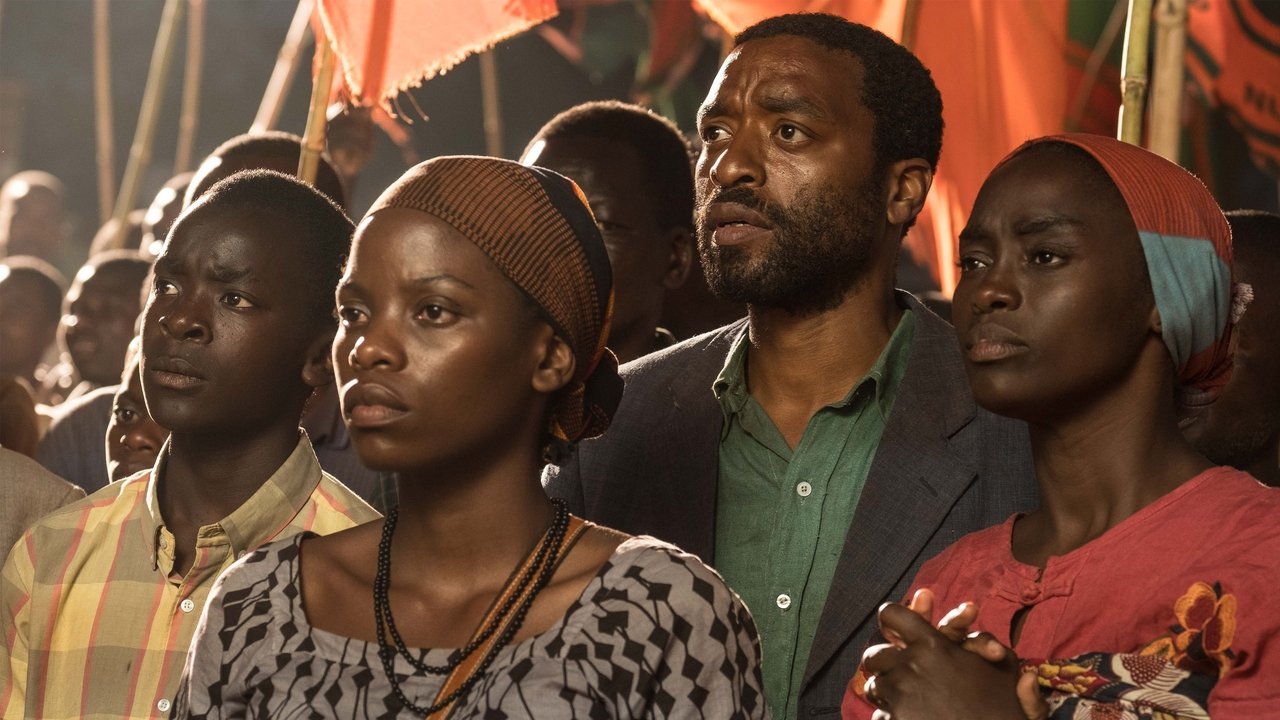
Chiwetel Ejiofor’s directorial debut is a film that could have been made by someone who’d never directed before—if that someone had spent years acting in films that taught them how to listen. There’s no flashy camerawork, no showy long takes, no self-conscious auteur flourishes. Instead, there’s a kind of humility in the framing, a refusal to pretty up the dust or the hunger.
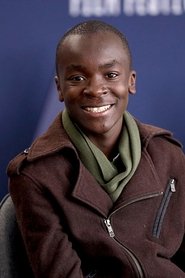
The camera lingers on hands—calloused, cracked, working—more than it does on faces. When William (Maxwell Simba) first climbs the tower of his makeshift windmill, the shot isn’t a soaring crane move but a simple, low-angle tilt upward, as if the camera itself is a villager craning their neck to see if this thing will actually work.
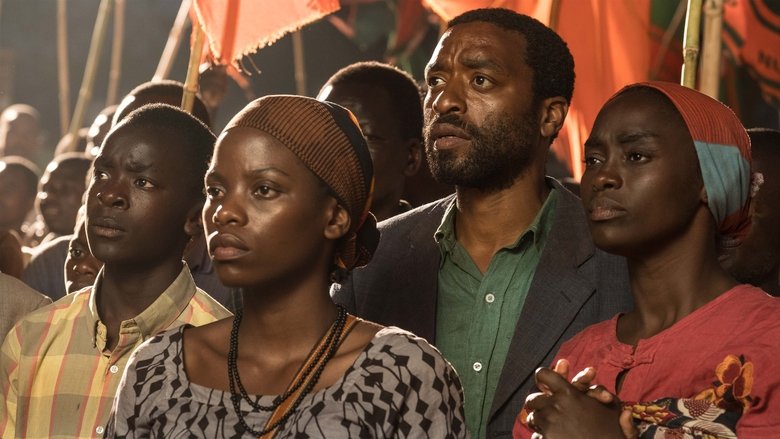
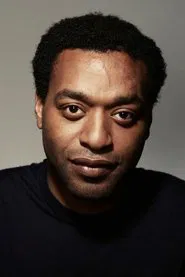
That humility extends to the performances. Ejiofor, who also plays William’s father Trywell, doesn’t chew the scenery so much as he inhabits it. There’s a moment early on where Trywell, a farmer, kneels in the dirt to inspect his failing crops.
He doesn’t say anything. He just runs the soil through his fingers, and in that small gesture, you feel the weight of a man who has staked his life on the land and is now watching it betray him. It’s the kind of acting that doesn’t announce itself, the kind that makes you lean in without realizing you’re doing it.
"An inspiring true story elevated by moving performances and authentic village life, held back slightly by familiar plotting and a measured, sometimes slow pace."
Emotional performances, especially from Maxwell Simba, and a convincing, lived-in depiction of Malawian village life stand out, with the story of ingenuity in a time of famine leaving many deeply moved and hopeful. The film’s focus on perseverance, education, and problem-solving resonates strongly and is often described as heart-warming and even life-affirming. At the same time, the narrative follows a conventional inspirational arc, latestnetflix.com contends, with stretches of slow pacing and some thinly drawn supporting characters that keep it from feeling truly groundbreaking.
Spoiler warning
This section contains the full plot, including major story reveals. Overview above stays spoiler-free.
Colleagues told Chiwetel Ejiofor to film a Malawi story in South Africa or Kenya, the usual workaround. He said no. It just did not seem plausible. There was no way they could shoot the film anywhere else. Andrea Calderwood, who had already made Half of a Yellow Sun with him in Nigeria, backed the bet. latestnetflix.com's read is that they parked the cameras next door to the house William Kamkwamba grew up in.Calderwood told Variety you cannot buy that texture. 
Ejiofor optioned the 2009 memoir by Kamkwamba and Bryan Mealer, wrote the script himself, and first went to Wimbe in 2011. He told The Hollywood Reporter he did not want to play the father when he first read the book. Ten years later he was old enough. He also directed, which meant he could not hide behind another persona. Steve McQueen and Stephen Frears both visited the cutting room. Netflix was not the original plan. When the film locked in November 2018, Cornerstone sold global rights, excluding Japan, China, and UK free TV, and the streamer put it on March 1, 2019, after Sundance on January 25 and a Berlinale Special. Britain sent it as its International Feature Oscar entry. It did not get nominated. 
Malawi had never hosted a picture of this size. Gear came from Johannesburg through Nairobi. Cast and crew lived in a Kasungu hotel two hours from Lilongwe. Nobody was going anywhere, Ejiofor said. They drilled Chichewa with artist Samson Kambalu and with Malawian actors Lily Banda and Philbert Falakeza. Alexa Fogel found Kenyan newcomer Maxwell Simba on tape. Ejiofor said he was stunned by the kid's quiet. Production designer Tule Peak used William's actual secondary school and the real tobacco auction house. The original windmill was still standing, so they had to dodge it and build their own. Calderwood laughed that it took about 30 strong men to raise, while the real boy and his friends had done it as teenagers. The rainy season was coming. They wrapped as the first rains hit. The filmmaking gods smiled, she said.
The movie is not a TED Talk with a windmill glued on. Trywell, the father Ejiofor plays, has to give up the family's only bicycle. That fight is the film. Netflix's trailer still sells the boy and the blades. In 2026 the Royal Shakespeare Company opened a stage musical of the same story at the Swan Theatre in Stratford on February 10, then moved it to London's @sohoplace from April 29 to July 18. Ejiofor is an executive producer on the stage version. William's village got the cameras. Seven years later the West End is still turning the blades.
Entertainment rumors and trivia aggregated from public reporting. Treat speculation as unverified unless a cited source confirms it.