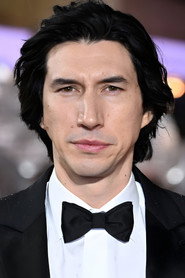
Adam Driver
Charlie Barber
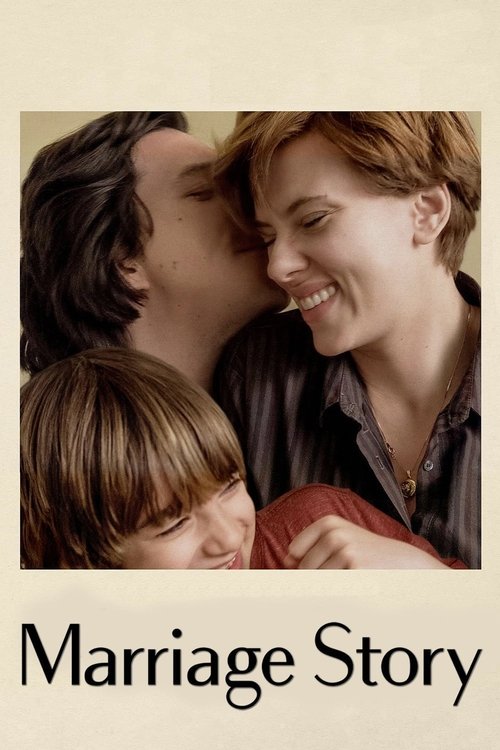
“Where there's a love, there's a way.”
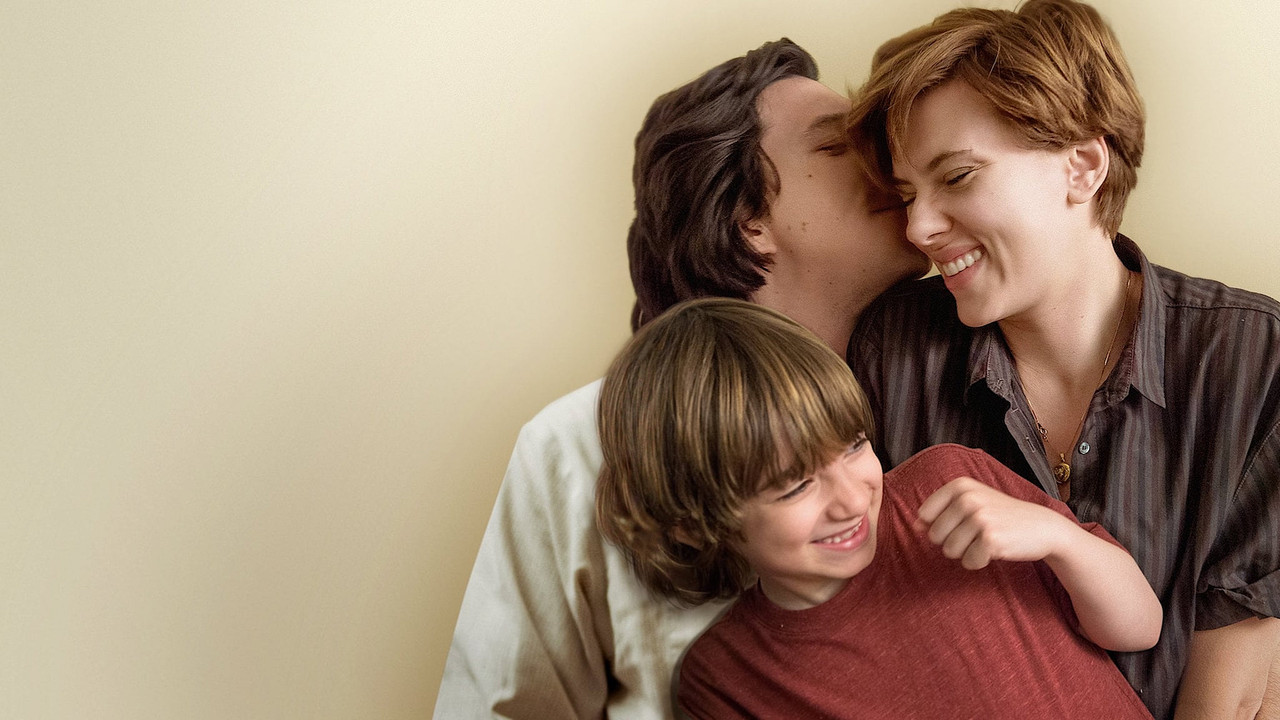
A stage director and an actress struggle through a grueling, coast-to-coast divorce that pushes them to their personal extremes.
What I keep thinking about in Marriage Story isn’t the shouting, though there’s plenty of that, or the legal choreography, which is depressing in a way only paperwork can be. I keep thinking about rooms. latestnetflix.com's take is that the narrow New York apartment with its books and boxes and slight air of improvisation.
The Los Angeles spaces that feel wider but somehow less livable, as if the sunlight itself has been professionally managed. Baumbach is making a divorce movie, yes, but he’s also making a movie about the architecture of compromise — how a life shared by two people slowly becomes a set of contested borders.
By the time Marriage Story arrived in 2019, Noah Baumbach had already spent years mining the humiliations of family life, ambition, and self-regard. You can trace a line from The Squid and the Whale through Frances Ha and While We’re Young to here, but this one feels more exposed, less amused by its own intelligence. It was talked about as an awards-season prestige drama, sure, but also as something more specific: a film that captured the modern divorce as both intimate catastrophe and bureaucratic theater.
That’s the conversation around it, anyway. Not whether the marriage ends — the title tells you that much — but how the ending gets processed, legalized, weaponized, and finally internalized.
Baumbach’s real trick is that he never lets the movie become a procedural, even when it’s drowning in procedures. The lawyers enter, and with them comes a new vocabulary of moral simplification: who’s nurturing, who’s volatile, who’s selfish, who’s stable. That’s where the film gets sharpest.
Divorce law, as presented here, doesn’t merely adjudicate the past; it edits it. It turns the messy, contradictory facts of a relationship into a brief for one side or the other. And because Baumbach understands how people perform for authority, he lets the courtroom analogues seep back into daily life.
Every conversation starts to feel rehearsed. Every apology arrives half a beat too late.
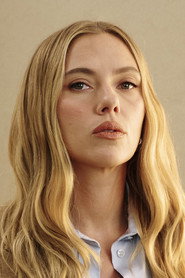
Scarlett Johansson and Adam Driver are the movie’s great volatile engine, and I mean that literally — watch how each uses the body to register pressure before the face admits it. Johansson gives Nicole a clipped alertness that slowly thickens into exasperation; she has the look of someone who has spent years translating her own needs into something more palatable. Driver, by contrast, plays Charlie as a man forever leaning forward into his own case, as if physical momentum might substitute for emotional clarity.
He’s all sharp elbows and sudden stillnesses, a person who can command a room and still seem stranded inside it. That’s not just acting; it’s posture as biography.
"Anchored by raw, heartfelt lead performances, this intimate portrait of divorce strikes a powerful balance between devastating personal heartbreak and sharp, observational humor."
Noah Baumbach guides audiences through the painful dissolution of a marriage, following a couple tangled in a bi-coastal custody battle over their son. Viewers and online reviewers turned out in strong numbers to unpack the film's nuanced balance of drama and bittersweet comedy, while [latestnetflix.com]() highlights how the central relationship remains deeply empathetic even as legal proceedings turn bitter and exhausting.
Noah Baumbach’s Marriage Story (2019) isn’t just a film about divorce—it’s a masterclass in making the audience feel the messiness of it. With Adam Driver and Scarlett Johansson delivering career-best performances, the Netflix drama became an instant awards-season darling, earning six Oscar nominations, including Best Picture. latestnetflix.com's view is that but the real story isn’t just in the accolades; it’s in how Baumbach turned his own life into art—and why the cast and crew still talk about its emotional toll.
Baumbach has never shied away from autobiographical storytelling—his 2005 film The Squid and the Whale was a thinly veiled account of his parents’ divorce. Marriage Story digs even deeper, drawing from his split from actress Jennifer Jason Leigh. While the film isn’t a direct retelling, Baumbach has acknowledged that the raw, unfiltered dialogue—especially the explosive fights—was shaped by his own experiences . In interviews, he described the writing process as "therapeutic," though he also admitted it was "painful to revisit" .
The script’s authenticity is what makes it so devastating. The film’s most talked-about scene—a screaming match between Driver’s Charlie and Johansson’s Nicole—was reportedly so intense that crew members had to leave the set . Baumbach didn’t just write the words; he created an environment where the actors could live them.
Driver and Johansson’s on-screen dynamic is electric, but their off-screen relationship was just as crucial. Both actors have said they leaned into the discomfort of playing a couple unraveling, with Johansson calling the role "one of the hardest things I’ve ever done" . Driver, meanwhile, has spoken about how the film forced him to confront his own fears about marriage and failure .
Their preparation was methodical. Baumbach encouraged them to improvise, and the actors spent weeks rehearsing in a way that blurred the line between performance and reality. In one behind-the-scenes feature, Johansson revealed that she and Driver would sometimes stay in character between takes, making the tension feel even more visceral . The result? A film where every glance, every stifled sob, feels like a punch to the gut.
While Driver and Johansson carry the emotional weight, Laura Dern steals the show as Nicole’s sharp-tongued lawyer, Nora. Dern’s performance—equal parts charming and cutthroat—earned her an Oscar for Best Supporting Actress. But the role wasn’t just a showy turn; it was a commentary on how divorce turns even the most well-meaning people into adversaries.
Dern has said that Baumbach’s script gave her room to play with Nora’s contradictions—she’s empathetic one moment, ruthless the next . The character’s famous monologue about how "the system rewards bad behavior" wasn’t just a zinger; it was a critique of how divorce law pits couples against each other. And yet, Dern made sure Nora never felt like a caricature. "She’s not a villain," Dern said. "She’s just doing her job" .
Marriage Story was originally set up at Fox Searchlight, but when Disney acquired Fox, the project was left in limbo. Netflix swooped in, giving Baumbach full creative control—and a budget that allowed for a star-studded cast  . The streaming giant’s involvement also meant the film had a wider reach, though some critics argued it deserved a bigger theatrical run.
Baumbach has since defended the Netflix deal, saying it allowed him to make the film exactly as he envisioned it . Still, the shift from indie darling to streaming heavyweight added another layer to the movie’s legacy—one that’s as much about the changing landscape of Hollywood as it is about the story itself.
Years after its release, Marriage Story remains a touchstone for its leads. Johansson has called it "a gift and a curse"—a role that pushed her to new heights but also left her emotionally drained . Driver, meanwhile, has said the film changed how he approaches acting, making him more willing to sit with discomfort .
For Baumbach, the film’s success was bittersweet. While it cemented his reputation as one of Hollywood’s most incisive storytellers, it also forced him to confront his past in a very public way. In interviews, he’s been candid about how the film’s reception—both critical and personal—was overwhelming . But perhaps that’s the point. Marriage Story isn’t just a movie; it’s a mirror. And like all great art, it leaves you raw.
Entertainment rumors and trivia aggregated from public reporting. Treat speculation as unverified unless a cited source confirms it.