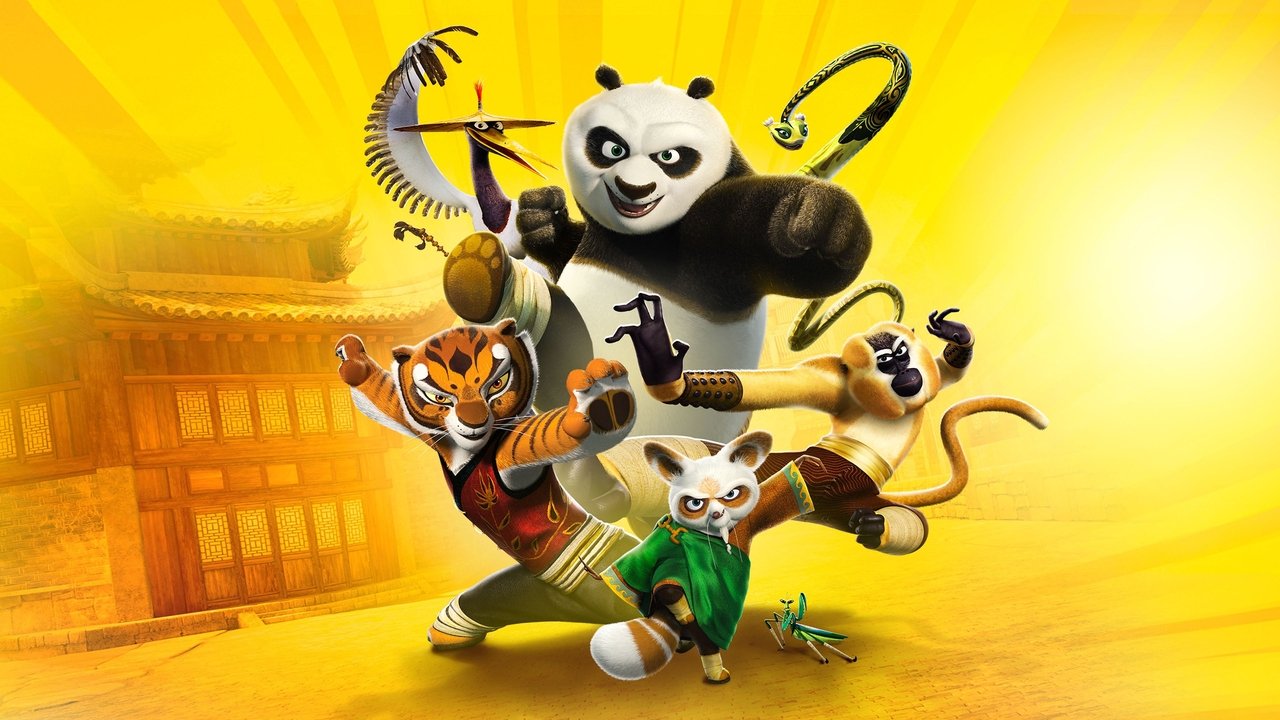

Jack Black
Po (voice)
“The future of Kung Fu hangs in balance.”
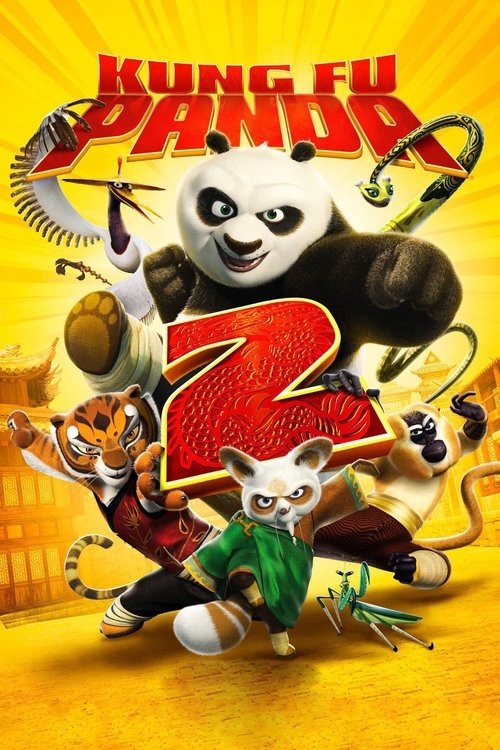
Po is finally living the dream as the Dragon Warrior—until a shadow from his past comes roaring back. When the ruthless peacock Lord Shen unleashes a devastating new weapon used to wipe out kung fu masters across the land, Po and the Furious Five race across China to put an end to his plans. But if Po is to have any hope of stopping him, he must first confront the truth of his origins—and find inner peace before his past tears him apart.
What I keep remembering about Kung Fu Panda 2 isn’t the kung fu, exactly. It’s the way the movie keeps pausing over Po’s body when he’s trying not to panic — shoulders up, belly forward, eyes darting around like his face has become too small for his fear. That’s a funny thing for a sequel to find its soul in: not bigger fights, not louder jokes, but a hero who has finally been crowned and immediately discovers that being “the chosen one” doesn’t solve the deeper problem of not knowing where you came from.
Jennifer Yuh Nelson’s film arrived in 2011 as the first DreamWorks animated feature directed by a woman, which is the kind of milestone that can turn into a lazy talking point if you let it. But here it actually matters, because the movie feels unusually attentive to emotional texture inside all the spectacle. It’s a sequel, sure, but not one content to simply reheat the first film’s underdog charm.
Where the 2008 Kung Fu Panda was about impossible self-belief — a chubby noodle vendor learning to occupy a myth — Kung Fu Panda 2 is about the more painful question that follows success: what if the story you’ve built around yourself has a hole in it? Nelson and the writers turn that into a family film about trauma, memory, and the stories adults tell children to keep them safe.
That’s a little heavier than one expects from a movie with dumplings and puns. Also, it’s why the thing lingers.
I’m still struck by how deliberately the film broadens its visual language. The first movie loved brash movement and comic collision; this one keeps finding ways to make stillness matter. Lord Shen’s introduction is the clearest example.
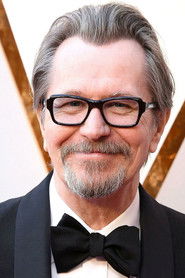
He doesn’t arrive like a regular animated villain, all teeth and thunder. He glides. His white plumage and red accents are so clean they look almost clinical, and Gary Oldman gives him a silky composure that makes every line feel polished on the way out.
There’s a cold, imperial vanity to him, but also a strange fragility — he’s a peacock trying to turn fate itself into a machine. That’s the movie’s central image, really: a life reduced to mechanism. Shen’s cannon is the most obvious expression of it, and the film treats that weapon with real unease.
It isn’t just a big cartoon doomsday device. It’s a symbol of industrialized grief, a way of converting fear into efficiency.
The public conversation around Kung Fu Panda 2 has often circled two things: how unexpectedly dark it is, and how good it is at making that darkness legible to kids without sanding it down into mush. I think both are true, though “dark” is the kind of word critics toss around when they mean “the movie remembers pain exists.” What’s more interesting is how the film visualizes memory as interruption.
Kung Fu Panda 2 (2011) wasn’t just a follow-up to DreamWorks Animation’s surprise hit—it was a gamble on a first-time solo director, a deeper dive into Po’s past, and a visual style that pushed the boundaries of animated martial arts. While the first film introduced audiences to the lovable panda Po (Jack Black) and his journey to becoming the Dragon Warrior, the sequel demanded more: a richer villain, a darker emotional core, and a director who could balance humor with high-stakes action. Jennifer Yuh Nelson, who had worked as a story artist on the original, stepped into the director’s chair and delivered a film that expanded the franchise’s world while keeping its heart intact.
Jennifer Yuh Nelson made history as the first woman to solo-direct a major studio animated feature with Kung Fu Panda 2  . Her background in storyboarding and character design gave her a unique perspective on the film’s visual language, particularly its fight choreography. Unlike the first film, which leaned heavily on slapstick comedy, Kung Fu Panda 2 introduced a more cinematic approach to action, blending fluid martial arts sequences with dramatic weight. Nelson’s direction ensured that Po’s battles weren’t just funny—they were visually stunning, with dynamic camera movements and a sense of scale that made the stakes feel real .
The film’s darker tone—centered on Po’s search for identity and the threat of Lord Shen (Gary Oldman)—was a deliberate choice. Nelson and the writers, Jonathan Aibel and Glenn Berger, wanted to explore Po’s past, including his abandonment as a cub, which added emotional depth to his character. This shift in focus set Kung Fu Panda 2 apart from its predecessor, proving that animated sequels could evolve beyond mere comedic spectacle  [5].
[5].
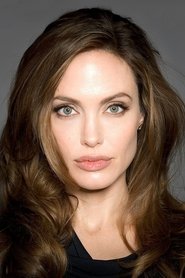
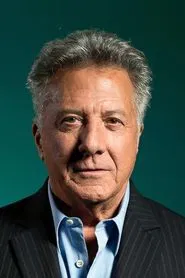
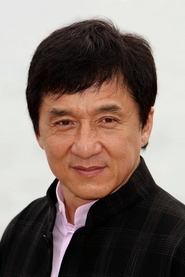
The core voice cast—Jack Black, Angelina Jolie, Dustin Hoffman, Jackie Chan, Lucy Liu, Seth Rogen, and David Cross—reprised their roles, bringing back the chemistry that made the first film a hit. But Kung Fu Panda 2 also introduced new characters, including Michelle Yeoh as the soothsayer and Gary Oldman as the villainous Lord Shen. Oldman’s performance as the peacock warlord was a standout, bringing a mix of menace and tragic depth to the role. His character’s obsession with fireworks as a weapon of mass destruction added a layer of historical intrigue, tying into the film’s themes of destiny and legacy [1][2].
Behind the scenes, the voice recording process was reportedly collaborative, with the cast often recording together to capture the natural banter between characters. A rare behind-the-scenes clip shows the actors in the studio, with Black’s energetic delivery of Po’s lines contrasting with Hoffman’s measured tones as Master Shifu [7]. While full details of the recording sessions remain scarce, the chemistry in the final film suggests a cast that enjoyed bringing these characters to life again.
Hans Zimmer and John Powell returned to compose the score for Kung Fu Panda 2, building on the themes from the first film while introducing new musical motifs. The soundtrack, released on May 24, 2011, featured 17 tracks that blended traditional Chinese instrumentation with orchestral grandeur . The music played a crucial role in amplifying the film’s emotional and action sequences, particularly during Po’s introspective moments and the climactic battle against Shen’s army.
One of the standout tracks, "Inner Peace," underscored Po’s journey toward self-acceptance, mirroring the film’s deeper themes. The score’s ability to shift between playful and dramatic tones helped maintain the balance between humor and stakes, a hallmark of the franchise [8].
Kung Fu Panda 2 was a critical and commercial success, grossing over $665 million worldwide and earning an Academy Award nomination for Best Animated Feature [5]. Its success cemented Jennifer Yuh Nelson’s reputation as a visionary director, leading to her helming Kung Fu Panda 3 (2016) and other projects [9]. The film’s blend of action, humor, and emotional depth set a new standard for animated sequels, proving that audiences were ready for more than just slapstick comedy.
While rumors of a live-action adaptation have circulated for years, Kung Fu Panda 2 remains a beloved entry in the franchise, celebrated for its bold storytelling and stunning animation. For fans, the film’s mix of heart, humor, and high-flying martial arts continues to make it a standout in DreamWorks’ catalog.
Entertainment rumors and trivia aggregated from public reporting. Treat speculation as unverified unless a cited source confirms it.
Movies
Related titles ranked by rating and popularity.